




The government is set to roll out a new initiative dubbed the “Responsible Cooperative Mining and Skills Development Programme” aimed at addressing the country’s persistent illegal mining (galamsey) crisis by formalising small-scale mining activities and promoting safer, environmentally sound practices.
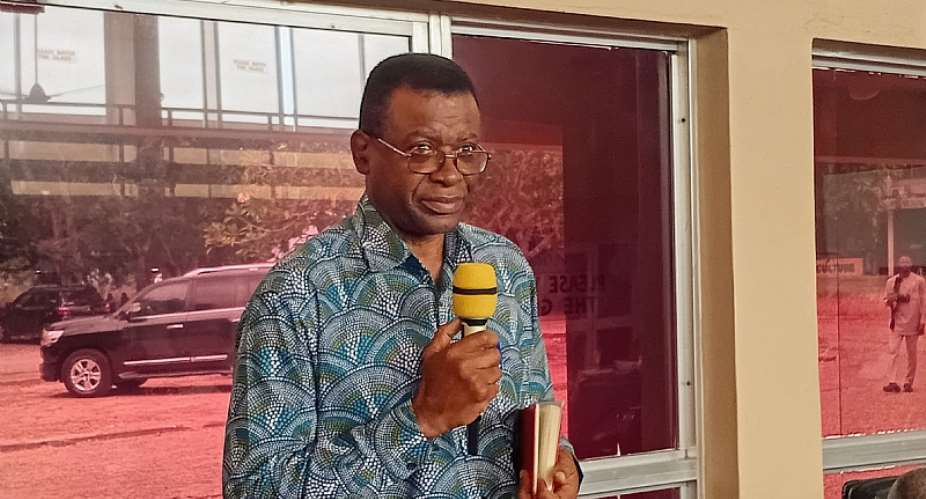
The announcement was made by Professor Jerry Kuma, Special Advisor to the Minister for Lands and Natural Resources, during a stakeholder engagement with the Volta Regional House of Chiefs on Friday, August 1, 2025. The meeting, hosted by the Minerals Commission, was part of a national review of Ghana’s mining laws and policies.
According to Prof. Kuma, the programme—approved by Cabinet and scheduled to commence next week—will offer a structured path for illegal miners to transition into licensed, regulated operators. “The goal is to issue permits to unlicensed miners and guide them through proper channels to ensure mining is done responsibly,” he stated.
As part of the initiative, modern gold processing plants will be established in mining-intensive communities to phase out the use of hazardous substances like mercury and cyanide. These chemicals, widely used in illegal mining operations, not only harm the environment but also yield less gold—typically between 40 to 60 percent. The new machinery, Prof. Kuma noted, can recover over 90 percent, ensuring higher returns while protecting ecosystems.
A key feature of the programme is the formation of community-based mining cooperatives, which will include traditional leaders, women, youth, and other stakeholders. These cooperatives will oversee and manage the new processing facilities, ensuring safer and cleaner mining practices. “When others see the benefits—more gold and less harm—they’ll be encouraged to join the right way of mining,” Prof. Kuma said.
The programme is also designed to curb water pollution caused by miners washing ore in rivers. By processing ore at designated plants, wastewater can be treated before being released, protecting water bodies from further contamination.
In addition, enforcement agencies—including the national anti-illegal mining task force—will intensify their efforts to prevent mining in forest reserves and protected areas. The government will also introduce a system to track all excavators used in mining operations. GPS devices will be installed on these machines, allowing authorities to monitor their movements and prevent their use in illegal activities.
A central control room at the Minerals Commission, supported by agencies like the Ministry of Transport, DVLA, Ghana Revenue Authority, civil society organisations, and the Ports and Harbours Authority, will oversee this surveillance.
Prof. Kuma stressed that tackling illegal mining requires a multi-sectoral approach, including legal reforms, enforcement, education, and economic incentives. “We’re not just going in with the stick—we’re offering the carrot too. With the right tools, clear guidelines, and community ownership, we believe we can reverse the environmental destruction caused by galamsey,” he said.
“This is not an overnight fix. But little by little, we will stop the illegal activities that are destroying our environment.”

 No room in our standing orders for reconsideration of anti-LGBTQ+ Bill – Sam Geo...
 Court threatens to struck out Mamprobi Baby theft case over disclosure delays
 How ex-convict allegedly sealed teenager's mouth with super glue, raped and murd...
 About 70% of buildings in Ada East lack permits, to be demolished – DCE
 Accra will no longer be sanctuary for indiscipline — Linda Ocloo declares after ...
 Bono Region: Police investigate murder of retired veterinary officer
 GMA says no emergency patient was denied care at KATH despite congestion concern...
 VIDEO: Fuel tanker driver burnt to death in fiery crash at Adubinso, seven shops...
 IMF boosting financial support for four African nations over war impact
 Anti-LGBTQ+ bill: Public clash between Speaker Bagbin and Majority Leader needle...


