




The Bank of Ghana is considering adopting sukuk bonds, an Islamic non-interest financial instrument, as a strategic option to close the country's increasing infrastructure deficit.
The move is part of the central bank’s wider efforts to mainstream Non-Interest Banking and Finance (NIBF) into the country’s financial sector, following examples from countries such as Nigeria, South Africa, Malaysia and the UK.
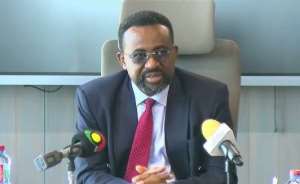
Speaking at a a stakeholder engagement with members of the clergy on Friday, July 25, BoG Governor Dr. Johnson Asiama cited a UN report which reveals that Ghana will require an estimated $37.9 billion annually to meet its infrastructure financing needs and to achieve the Sustainable Development Goals.
Fiscal constraints, according to the BoG Governor, make traditional financing less viable, prompting the search for innovative options.
He described sukuk bonds as an ethical and asset-backed financing alternative that aligns with the country’s inclusive development agenda.
The bonds, which avoid interest (usury), operate on profit-and-loss sharing principles and are already widely used across Africa and globally.
“Sukuk offer an alternative mechanism for mobilising capital for general government financing, infrastructure development, and working capital for corporates. It provides a credible alternative for financing our development aspirations,” Dr. Asiama said.


 Trump targets tax-free diesel as Republicans approach midterms
 Govt releases GH¢9.1 billion covering six quarters of DACF to MMDAs - Ayariga
 Manhyia South MP charged over alleged GH¢9.85m loss to SIC Life
 'I didn’t know the process would be that fast' – Nana B explains missing NPP swe...
 'Who is Karbo to defy my orders?' – Buttey fumes over NPP conference clash
 'Kojo Bamba can’t stop NDC' – Gbande warns NPP against shielding anyone from arr...
 Mahama pardons 863 convicted persons, 11 from death sentence
 National Cathedral site reverts to government as Attorney-General reviews audit
 NDC confirms Dzifa Gunu’s disqualification from La Dadekotopon constituency secr...
 Nigeria's Tinubu confirms 32 dead after military plane crash


