





A new study conducted by the United Nations Population Fund (UNFPA) reports that young people around the world are having fewer children, with some also choosing not to have, citing harsh economic conditions, concerns about climate change, environmental degradation, wars amongst others as factors affecting their decision. This is quite interesting because it is not as if the majority of these young people do not want kids or are limited biologically. Instead, we have external factors such as the current state of our world denying them this right. The Director of UNFPA said the evidence is clear we are moving from a world of rapid population expansion in the mid-20th century to a period of declining rates.
Belonging to the millennials bracket myself; offsprings of the earlier generation noted for the 20th century population expansion, I have always noticed something unusual regarding my generation of younger millennials. Some parents in the older generation voice out concerns about our present times, regarding a developing trend - the current generation getting married 'later' than expected. The old gees make complaints about the current generation's baby making department too. Sometime ago, an old classmate of mine made similar comments on the year group's WhatsApp chat. This UNFPA Report seems to have highlighted the root cause of these developments. As a matter of fact, the current generations are grappling with difficulties not of their making, and which is all by design. We are living in a world where the one per cent controls more wealth than over ninety per cent of humanity. Such wealth inequality is mind-boggling, but that is our harsh reality. Also, this group of high networth individuals aren't taxed appropriately as should be because they have the power to influence such policy decision-making. A wise man once said there's enough in the world for everyone's need but not enough for everyone's greed.
In Africa's case, even after decades of political independence, you still find these states struggling economically. Taking South Africa for instance, a system of oppression was designed to keep the majority black population disadvantaged even 30 years after apartheid. The story in former colonised African states remains the same as well. However, we have ourselves to blame as well. The continent continues to suffer from poor and ineffective leadership where corruption and mismanagement takes a field day. Leadership's lack of innovative ideas tailored to our own situation and always blindly copying from the West the same systems meant to keep us where we are limits progress. Instead of working to disrupt the unfair system imposed on us, it is rather entrenched by their actions. It has become so difficult for young people to come out of school and get decent paying jobs when the cost of living is so high. Getting affordable housing or rent for a family is another issue altogether. The other day, I saw one construction firm abroad now moving to quality and improved versions/designs of African mud houses because apparently, they've realised they are more sustainable in terms of eco-friendliness and affordability. We don't value our own indigenous knowledge systems when we could have equally develop them to meet modern standards and could cater to the housing needs of many - the materials are easily accessible right here. Now, we totally depend on Western models in almost every area which relies on expensive imports, negatively affecting the economy. Imagine how much of a relief it would have been for the economy if there was another developed and affordable indigenous housing option to choose from aside from what we have now which many cannot afford. There should be a balance in everything. We no longer live in harmony with nature (our environment) as our forbears did. In present times that we claim to be "modernised," we have such high housing deficit when it wasn't so in the past. So how will a young man in these current circumstances be in a hurry to start a family? We don't prioritise the right things, everything has become so politicised. The same older generation voicing out concerns about the current times are the ones that have been in political leadership all this while. It is also obvious they had far better conditions their time, but were they able to reciprocate that for the younger generation? The youth led protests in Kenya and Togo days ago are significative of young people's dissatisfaction with Africa's political leadership. These internal and external factors have led us here, robbing younger generations of something we might not realize the full magnitude of now. Which will be justified looking back at this period as a true crime against humanity.
The world has gone through different cycles. This extreme capitalism we are experiencing now came in handy for the oppressor after the injustices of slavery and colonialism. It has served the select few well but in the end works against the progress of all humanity, which the protagonist Aporos terms the 'Joy of Living' in the book: At the Mountain Top (Essays On The Life Of A Rebel). According to Aporos:
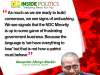
"Interpretations from religion and traditions have the effect of steering evil into that which only dwells in the spirit- unseen. But when you really look, you'll see it dwelling in the physical at plain sight. We only get used to it. Normalising systems that oppress the soul of man, which in totality is freedom. What do you think slavery was, if not a physical manifestation of evil? What about the insatiable greed of the oppressor who does not mind sacrificing the lives of future generations for parochial interest? Man was meant to be free in every sense of it. No other has the right to curtail it or restrict the right to self-determination. Evil is that which takes away the joy of living.These people who have taken so much from us actually seek to take away our joy of living, in essence, our very lives. "
This is true because it is evident that lives on this planet are actually being affected now, reflecting in a man-made population decline.

 Ghana intensifies airport screening and Ebola surveillance amid reported cases i...
 'Our wives are not our slaves' – Nigerian man urges husbands to share housework
 'My son is mentally unstable' — Father of man arrested over alleged Gbewaa Palac...
 15,000 aspirants to contest NDC constituency executive elections this weekend
 Seven 'missing' Sekondi fishermen to be repatriated from Benin to Ghana — Police
 Websites go dark as AI exposes critical security flaws worldwide
 Ghana remains friends to all and enemies to none — Mahama
 October 22: Cedi sells at GHS12.25 on forex market, GHS11.66 on BoG interbank
 Western Region: Seven missing fishermen rescued in Benin territorial waters – Po...
 Foreign Affairs Ministry denies Minority’s claim of harassing staff over South A...


