




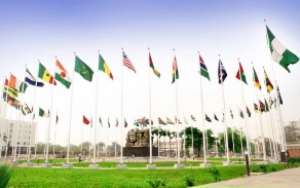
In a bold move signaling a shift in global power dynamics, thirteen African nations have rejected aid and investment offers from the Trump administration. These offers often came with conditions that many African leaders deemed unfavorable, prompting them to seek alternative partnerships with China, Russia, and India. This decision reflects a growing desire for sovereignty, equitable partnerships, and sustainable economic development.
The Rejection of U.S. Aid
Trump’s administration proposed significant aid packages and investment deals across Africa, but many countries turned them down due to concerns over sovereignty, unfavorable terms, and geopolitical strategy. The nations that rejected these offers include:
- South Africa declined aid after Trump imposed tariffs and pressured it to abandon its role in BRICS.
- Ghana rejected military assistance due to concerns over U.S. troop access and legal exemptions.
- Nigeria turned down oil sector investments that demanded controlling stakes in key extraction zones.
- Kenya refused infrastructure deals requiring arbitration in U.S. courts.
- Tanzania rejected COVID-19 aid due to transparency concerns.
- Ethiopia declined agricultural assistance that required privatization of key industries.
- Uganda refused security aid that mandated U.S. oversight of its intelligence operations.
- Zimbabwe rejected economic aid tied to political reforms favoring U.S. interests.
- Namibia turned down mining investments that required exclusive U.S. access to rare minerals.
- DR Congo refused humanitarian aid that came with conditions on governance restructuring.
- Sudan declined financial assistance that required alignment with U.S. foreign policy in the Middle East.
- Burkina Faso rejected military aid that demanded cooperation with U.S. counterterrorism strategies.
- Mali refused infrastructure funding that required U.S. companies to control major projects.
The Shift Toward Alternative Partnerships
With U.S. aid offers coming with stringent conditions, many African nations have turned to China, Russia, and India for assistance. These countries have provided investment and development support with fewer political strings attached:
- China has expanded its Belt and Road Initiative across Africa, funding infrastructure projects and securing trade agreements.
- Russia has signed nuclear energy partnerships with multiple African nations, offering favorable contracts and long-term commitments.
- India has strengthened economic ties through technology investments and trade agreements.
The Geopolitical Opportunity
This rejection of U.S. aid presents an opportunity for Africa to strengthen intra-continental ties and establish a more independent economic framework. By prioritizing trade over aid, African nations can negotiate better deals with global partners while fostering self-sustaining economies.
Ghana’s Leadership and Strategic Approach
Africa’s rejection of U.S. aid marks a significant geopolitical shift, and Ghana’s stance under President John Dramani Mahama exemplifies a bold commitment to sovereignty and self-reliance. His administration’s refusal to accept aid with restrictive conditions reflects a broader vision for economic independence and strategic partnerships that serve Ghana’s long-term interests.
President Mahama’s leadership has demonstrated a keen awareness of the complexities surrounding Ghana’s relationship with the United States, particularly in economic, military, security, and industrial affairs. While maintaining diplomatic ties, his administration has wisely exercised caution in agreements that could compromise national autonomy. His emphasis on strengthening Ghana’s fiscal policies and reducing dependency on foreign aid aligns with the broader African movement toward self-sufficiency.
Moving forward, Ghana must remain vigilant in its engagements with the U.S., ensuring that economic and security agreements do not undermine national interests. Instead, the country should explore deeper collaborations with Eastern partners—China, Russia, and India—who have shown a willingness to invest in Africa without imposing restrictive conditions. By prioritizing genuine partnerships that foster industrial growth, technological advancement, and infrastructure development, Ghana can position itself as a leader in Africa’s economic transformation.
President Mahama’s administration has set a precedent for future leadership, proving that Africa can negotiate from a position of strength rather than dependency. As Ghana continues to navigate global alliances, it must seize this opportunity to build a resilient, independent economy that thrives on equitable partnerships and sustainable development.
Retired Senior Citizen
Teshie-Nungua
[email protected]

 GoldBod’s gains must be weighed against full cost to Ghana – Prof. Bokpin
 ‘Afenyo-Markin’s smear campaign against me is about extortion’ – Sammy Gyamfi
 August 22: Cedi sells at GHS12.30 on forex market, GHS11.13 on BoG interbank
 There is a deliberate smear campaign against GoldBod from Minority – Sammy Gyamf...
 ‘If GoldBod wants credit, it must accept blame for losses’ – Dr Owusu Sarkodie
 Akosombo control system to be restored next month – Energy Minister
 ‘Temporary Akosombo system not very robust’ – Energy Minister on recent power ou...
 Mike Ocquaye Jr reacts to Adwoa Safo’s reported return to NPP Dome-Kwabenya race
 Foreign Affairs Ministry urges Tijjaniya pilgrims to Senegal to travel by air ov...
 Bono Police Arrest 36‑Year‑Old in GH¢1.1M Fake Gold Deal; Hunt for Three Others ...

