




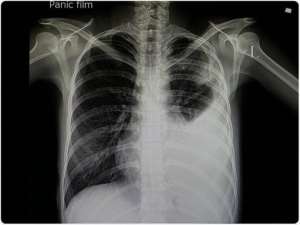
Imagine waking up in the dead of night, gasping for air, your chest heavy with every breath, your body screaming for oxygen. The fear, panic, and desperation – this is the harsh reality of pneumonia, a life-threatening infection affecting millions worldwide. But what if you could take control of your health and reduce your risk? The answer lies in the food you eat. With someone hospitalized every 7 seconds, pneumonia's impact is staggering. This serious respiratory infection can lead to severe complications, especially in vulnerable populations like the elderly, young children, and immunocompromised individuals. While medical treatment is crucial, evidence suggests nutrition plays a critical role in prevention and management. A well-balanced diet supporting immune function can reduce pneumonia risk and improve outcomes. This article explores the relationship between nutrition and pneumonia prevention, highlighting key nutrients, foods, and dietary patterns that support lung health and boost immune function.
Understanding Pneumonia
Pneumonia is a serious lung infection that inflames air sacs, causing them to fill with fluid or pus. It's caused by bacteria, viruses, or fungi. Symptoms range from mild to severe and include cough (sometimes producing thick, blood-tinged sputum), fever, chills, and shortness of breath, chest pain, fatigue, and weakness. In severe cases, pneumonia can cause confusion, particularly in adults over 65.
Bacterial pneumonia, often caused by Streptococcus pneumoniae, Haemophilus influenzae, and Mycoplasma pneumoniae, tends to be more serious than viral pneumonia. Viral pneumonia, caused by viruses like influenza and SARS-CoV-2 (Severe Acute Respiratory Syndrome Coronavirus 2), can be life-threatening in vulnerable populations with weakened immune systems. Fungal pneumonia typically affects those with compromised immune systems, such as those with HIV/AIDS (Human Immunodeficiency Virus/Acquired Immunodeficiency Syndrome) or undergoing chemotherapy.
Risk factors include age (children under 2 and adults over 65), chronic diseases like asthma and COPD (Chronic Obstructive Pulmonary Disease), smoking, and weakened immune systems. Pneumonia can lead to complications like bacteremia (bacteria in the blood), breathing difficulties, and fluid accumulation around the lungs.
Prevention strategies include vaccination against pneumococcal disease and influenza, good hygiene practices, not smoking, and maintaining a healthy lifestyle to support immune function.
Nutrition for Pneumonia Prevention
Immune System and Nutrition
The immune system relies heavily on key nutrients to function optimally. Vitamins C and D, zinc, iron, omega-3 fatty acids, and antioxidants support immune function. Vitamin C's antioxidant properties reduce oxidative stress and inflammation (Hemilä and Chalker, 2013). Vitamin D regulates immune function, and deficiency increases susceptibility to respiratory infections, including pneumonia (Martineau et al., 2017). Zinc supports immune cell function, while iron produces hemoglobin. Omega-3 fatty acids alleviate inflammation in the lungs (Calder, 2010). Antioxidants protect cells from damage and reduce inflammation.
Beneficial Foods and Dietary Patterns
Nutrient-rich foods support immune function and overall health. Whole grains, fruits, vegetables, lean proteins, and healthy fats are essential. Berries are particularly beneficial due to their high antioxidant content (Seeram et al., 2006). The Mediterranean diet, plant-based diets, DASH diet, and MIND diet are effective dietary patterns for pneumonia prevention, emphasizing whole grains, fruits, vegetables, lean proteins, and healthy fats (Appel et al., 1997).
Malnutrition and Pneumonia Risk
Malnutrition weakens the immune system, increasing pneumonia susceptibility. Adequate nutrition maintains immune function and prevents infections. Malnutrition impairs immune cell function and increases infection susceptibility (Raiten et al., 2015).
Foods to Limit or Avoid
Processed meats, fried foods, refined carbohydrates, and sugary foods can increase inflammation and worsen lung function. Excessive salt intake leads to fluid retention, worsening pneumonia symptoms and increasing blood pressure (Appel et al., 2017).
Hydration and Pneumonia Prevention
Adequate hydration supports lung function and overall health. Water, herbal teas, and clear broths help thin mucus, making breathing and coughing easier. Proper hydration supports the body's natural healing processes (John Landry, BS, and RRT).
Conclusion
Pneumonia, a life-threatening infection impacting millions globally, disproportionately affects vulnerable populations. A well-balanced diet is essential for pneumonia prevention, bolstering immune function and overall health with key nutrients like vitamins C and D, zinc, iron, omega-3 fatty acids, and antioxidants. By adopting dietary patterns such as the Mediterranean and plant-based diets, maintaining adequate hydration, and avoiding harmful foods, individuals can significantly reduce pneumonia risk and support lung health. Through informed nutritional choices, individuals can proactively protect their lung health and enhance their overall well-being.
By: Francis Appiah, Doctor of Naturopathic Medicine (N.D. Candidate), Medical Journalist, & Medical Laboratory Technologist
Email: [email protected]
References
Appel, L. J., Moore, T. J., Obarzanek, E., Vollmer, W. M., Svetkey, L. P., Sacks, F. M., ... & DASH Collaborative Research Group. (1997). A clinical trial of the effects of dietary patterns on blood pressure. _New England Journal of Medicine, 336_ (16), 1117-1124.
Appel, L. J., Lichtenstein, A. H., & Van Horn, L. (2017). New 2017 dietary guidelines: Added sugars, saturated fat, and dietary cholesterol. _JAMA, 318_ (10), 911-912.
Calder, P. C. (2010). Omega-3 fatty acids and inflammatory processes. _Nutrients, 2_ (3), 355-374.
Hemilä, H., & Chalker, E. (2013). Vitamin C for preventing and treating the common cold. _Cochrane Database of Systematic Reviews, 2013_ (1), CD000980.
John Landry, B. S. R. R. T. (2025). _Pneumonia diet: Top 10+ best and worst foods to eat_.
Martineau, A. R., Jolliffe, D. A., Hooper, R. L., Greenberg, L., Aloia, J. F., Bergman, P., ... & Camargo, C. A. (2017). Vitamin D supplementation to prevent acute respiratory tract infections: Systematic review and meta-analysis of individual participant data. _BMJ, 356_, i6583.
Raiten, D. J., Sakr Ashour, F. A., Ross, A. C., Meydani, S. N., Dawson, H. D., Stephensen, C. B., ... & Suchdev, P. S. (2015). Inflammation and nutritional science for programs/policies and interpretation of research evidence (INSPIRE). _Journal of Nutrition, 145_ (5), 1039-1044.
Seeram, N. P., Adams, L. S., Zhang, Y., Lee, R., Sand, D., Scheuller, H. S., & Heber, D. (2006). Blackberry, black raspberry, blueberry, cranberry, red raspberry, and strawberry extracts inhibit growth and stimulate apoptosis of human cancer cells in vitro. _Journal of Agricultural and Food Chemistry, 54_ (11), 9329-9339.
Torres, A., Cillóniz, C., Niederman, M. S., Menéndez, R., Chalmers, J. D., Wunderink, R. G., & van der Poll, T. (2021). Pneumonia. _Nature Reviews Disease Primers, 7_ (1), 1-15.
Vu, T. T., Van Horn, L., Achenbach, C. J., Rydland, K. J., & Cornelis, M. C. (2022). Diet and respiratory infections: Specific or generalized associations? _Nutrients, 14_ (12), 2519.


 Majority claims Asafo-Adjei lobbied Ablakwa for Nana B to retain service passpor...
 I have no regrets joining Assemblies of God – Mahama
 Police to receive 40 additional armoured vehicles, 250 new apartments — Mahama
 PAC directs UGMC to fix procurement infractions, declining service standards
 Minority claims baseless, GHS49.7m South Africa evacuation fully accounted for –...
 Mahama allocates over GH¢200m in 2027 budget to complete Police Hospital expansi...
 US Department of Justice shares latest details of Sasaabi cybercrime raid
 Majority Caucus defends GH¢49.72m spent on evacuating Ghanaians from South Afric...
 Bawku MCE assures residents of lasting peace after 150 days without gunshots
 Ghana is ready to take off after economic turnaround – Ato Forson


