




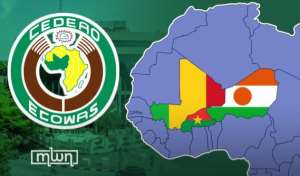
In a landmark geopolitical and economic shift, the Alliance of Sahel States (AES)—comprising Mali 🇲🇱, Burkina Faso 🇧🇫, and Niger 🇳🇪—has officially endorsed Morocco’s 🇲🇦 initiative to grant them direct access to the Atlantic Ocean. This development, announced by Morocco’s Foreign Minister after high-level discussions in Rabat, signals a critical realignment in West African trade and diplomacy, particularly as the Sahel states distance themselves from the Economic Community of West African States (ECOWAS).
A Reshaped Trade Landscape: Potential Impacts on Ghana
As one of ECOWAS’ key economies, Ghana 🇬🇭 must reassess its position within this evolving trade architecture. With AES nations potentially shifting their trade corridors away from West African ports and towards Morocco’s Atlantic gateway, Ghana faces both economic risks and strategic opportunities.
Trade Diversion and Port Competitiveness
For decades, Ghana’s Tema and Takoradi ports have served as essential transit hubs for landlocked Sahelian economies. However, Morocco’s development of the Dakhla Atlantic Port, positioned as a cost-effective alternative, may redirect trade flows.
- Tema Port processes over 70% of Ghana’s maritime trade, handling significant imports bound for Mali, Burkina Faso, and Niger.
- Ghana’s exports to Burkina Faso alone exceeded $300 million in 2024, making AES countries valuable trading partners.
- - Morocco’s $1 billion investment in Dakhla Port, designed to serve the Sahelian economies, threatens to reduce Ghana’s port traffic, affecting revenue from logistics, warehousing, and transit services.
Economic Impact on Ghana’s Export Market
Ghana exports agricultural commodities, processed goods, and petroleum to AES states. A rerouting of trade channels through Morocco could challenge Ghanaian businesses reliant on Sahelian partnerships.
- Cocoa, shea butter, textiles, and fertilizer exports may experience logistical hurdles as trade routes shift.
- Ghanaian exporters would need to renegotiate trade agreements to sustain commercial relationships with AES economies.
- Morocco’s growing influence in West African trade could reduce Ghana’s bargaining power in regional commerce discussions.
ECOWAS Influence and Ghana’s Diplomatic Strategy
The withdrawal of AES nations from ECOWAS weakens the bloc’s collective economic leverage, forcing Ghana to rethink its regional approach.
- AES aligning with Morocco and Russia 🇷🇺 marks a geopolitical recalibration—Ghana must respond by strengthening intra-ECOWAS collaboration.
- Security concerns may arise, as AES deepens non-ECOWAS partnerships, potentially affecting counterterrorism and border management efforts.
- Ghana must take a leadership role in ECOWAS, ensuring economic stability despite AES trade diversions.
Strategic Recommendations for Ghana
To preserve economic resilience, Ghana must take proactive measures:
1. Enhance Port Competitiveness – Invest in modern logistics and digital trade facilitation to make Tema and Takoradi more attractive for regional exporters.
2. Diversify Export Markets – Encourage Ghanaian businesses to seek alternative partnerships beyond AES, expanding their commercial reach.
3. Strengthen Intra-ECOWAS Trade – Bolster regional agreements to mitigate potential losses from AES realignment.
4. Engage in Strategic Diplomacy – Position Ghana as a leading negotiator in discussions surrounding ECOWAS trade policies.
Conclusion
Morocco’s Atlantic corridor initiative introduces both challenges and opportunities for Ghana. While trade diversion and geopolitical shifts pose risks, strategic investments and policy reforms can safeguard Ghana’s economic strength in this new era of West African commerce. As the region transforms, Ghana’s ability to adapt will determine its long-term prosperity.
Retired Senior Citizen
Teshie-Nungua
[email protected]


 'Stop excessive financial demands before sharing information with us' — Interior...
 EC will serve national interest, not partisan politics – Deputy Chair Dr Kwaku A...
 I expect no preferential treatment from EC for myself as President, my party or ...
 Afenyo-Markin meets management, proposes reforms to turnaround struggling ECG
 ECG management commends Afenyo-Markin for reforms during short stay as Board Cha...
 Mahama tasks new EC deputy chairpersons to uphold impartiality
 Attorney-General urges court to reject Adu-Boahene’s no-case submission
 Nyaho Medical Centre ordered to report to CID over expired data protection certi...
 Mahama swears in new Electoral Commission deputy commissioners
 PTAAM-Africa calls for government probe into alleged World Cup visa fraud


