




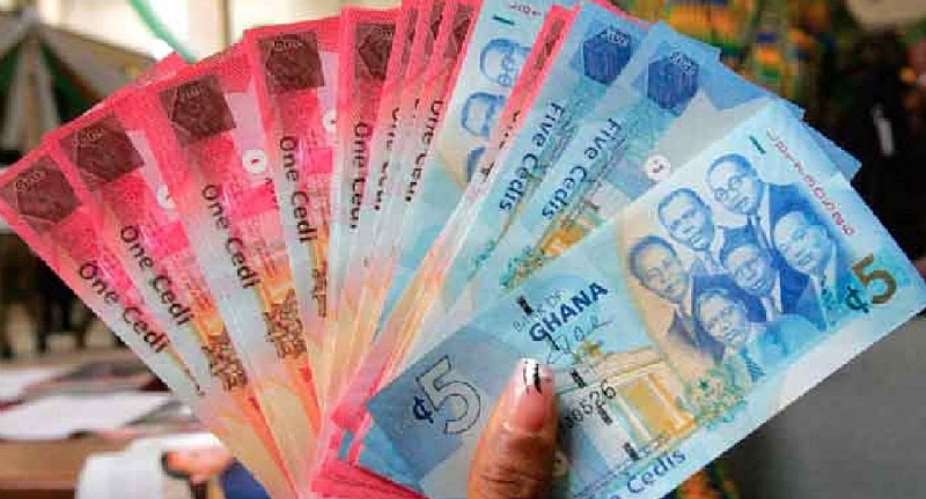
The Ghanaian cedi has been experiencing persistent depreciation against major foreign currencies, particularly the US dollar. This trend affects businesses, inflation, and the overall economy. While currency depreciation is a common phenomenon in many developing economies, Ghana's case is particularly concerning due to recurring cycles of instability. This article explores the key reasons behind the cedi’s depreciation and potential solutions to stabilize it.
Causes of Cedi Depreciation
1. High Demand for Foreign Currency
Ghana is heavily reliant on imports, ranging from essential goods to industrial equipment. Since international transactions are often conducted in US dollars, businesses and individuals frequently exchange cedis for foreign currency. This high demand weakens the cedi.
2. Trade Deficit
Ghana imports more than it exports, leading to a trade deficit. When the country spends more foreign currency on imports than it earns from exports, the cedi loses value because there is a net outflow of foreign currency.
3. Excessive Government Borrowing
Ghana has a history of borrowing from foreign lenders to finance infrastructure and budget deficits. Loans from international bodies such as the IMF and World Bank, as well as Eurobonds, increase Ghana’s foreign debt. When debt repayment becomes due, the government must purchase foreign currency, further increasing demand and weakening the cedi.
4. Inflation
A high inflation rate reduces the purchasing power of the cedi, making it less attractive to investors and traders. Inflation erodes confidence in the local currency, encouraging businesses and individuals to save in more stable foreign currencies.
5. Speculation and Market Sentiment
The forex market is influenced by speculation. When businesses, investors, and even ordinary citizens believe that the cedi will depreciate further, they rush to convert their cedis into dollars or other foreign currencies. This speculative demand accelerates the cedi’s depreciation.
6. Weak Industrial Base
Ghana’s economy is not diversified enough to produce sufficient locally manufactured goods for export. The overdependence on raw material exports, such as gold, cocoa, and oil, makes the economy vulnerable to global price fluctuations. A decline in commodity prices leads to lower foreign exchange earnings, weakening the cedi.
7. Capital Flight
Foreign investors withdraw their investments when they perceive economic instability, political uncertainty, or poor monetary policies. This capital flight results in a reduced inflow of foreign exchange, putting pressure on the cedi.
Solutions to Stabilize the Cedi
1. Promoting Export Diversification
Ghana must focus on adding value to raw materials instead of exporting them in their raw state. Expanding industrialization, especially in agriculture, technology, and manufacturing, will help increase export earnings and reduce reliance on imports.
2. Reducing Import Dependence
Encouraging local production of essential goods will cut down the demand for foreign currency. The government should support local industries through incentives, infrastructure, and policies that make local goods competitive.
3. Enhancing Foreign Direct Investment (FDI)
Attracting more FDI into productive sectors such as agriculture, technology, and manufacturing will increase foreign exchange reserves and stabilize the cedi. Policies that ensure ease of doing business and investor confidence are crucial.
4. Prudent Fiscal and Monetary Policies
The government must reduce excessive borrowing and control public spending. The Bank of Ghana should implement effective monetary policies to regulate money supply and inflation. Transparency in economic management will also boost investor confidence.
5. Boosting Local Savings and Investments
Encouraging Ghanaians to save and invest in the local economy rather than holding foreign currencies can reduce pressure on the cedi. The banking sector should introduce attractive interest rates and investment opportunities to retain capital locally.
6. Addressing Speculation and Forex Hoarding
The Bank of Ghana should strengthen regulatory measures to prevent excessive speculation and forex hoarding. Policies that discourage black-market currency trading and encourage transparent forex transactions will help stabilize the exchange rate.
The continuous depreciation of the cedi is a complex issue driven by both internal and external factors. While the government has implemented measures to stabilize the currency, more needs to be done to promote local production, manage inflation, and attract investment. Ghana’s economic future depends on sustainable policies that reduce dependence on foreign goods, strengthen exports, and improve investor confidence. If these solutions are implemented effectively, the cedi can regain stability, ensuring long-term economic growth and prosperity.


 Accra-Kumasi Expressway to cut travel time to 2hours, drive 120km per hour — Mah...
 'Our own money $2billion ready, we have not gone to borrow money from anywhere' ...
 Founder’s Day September 21 declared public holiday
 Council of State was not qualified to determine prima facie case against Torkorn...
 'Grounds for removal of Chief Justice and justice of superior court shallow, eph...
 Ghanaian banks write Off GH¢1.23bn in bad loans in first half of 2026
 Family of Gbewaa Training College lecturer killed by curfew soldiers vows legal ...
 Don't be a Bar that flips on principles but a Bar that is consistent — AG tells ...
 Prostate cancer may show no symptoms until advanced stage – Urologist warns
 Fully completed GH¢213,490 SOCO volleyball court abandoned after Bongo youth rej...


