




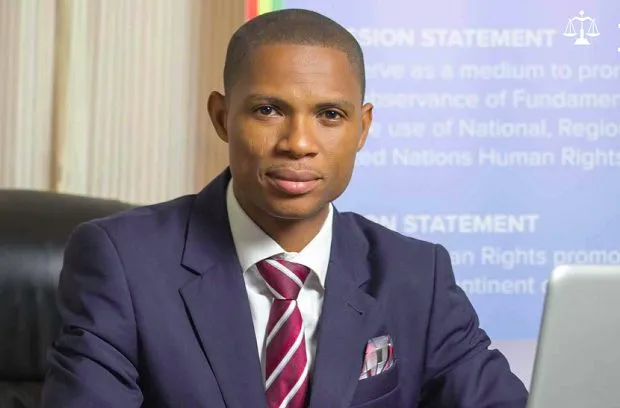
Member of Parliament (MP) for Madina, Francis-Xavier Sosu, has announced plans to introduce a Private Member's Bill aimed at restricting public service appointments after elections until the swearing-in of a new government.
This initiative comes in response to controversies surrounding the termination of public sector workers recruited after December 7, 2024.
Speaking to Citi News, Sosu argued that last-minute appointments by outgoing governments create governance challenges and should be addressed through legislation.
“By the 7th of December 2028 to the 7th of January 2029, there shouldn’t be any appointments. Once the law is clear on that, the whole issue of people wanting to appoint when they have lost power—only for the new government to also dismiss them because there is no budgetary allocation for them—will be resolved,” he explained.
He emphasized that ensuring a clear legal framework would prevent unnecessary dismissals and disruptions within the public sector.
“I believe that we can simply cure this by amending the law, and that is why we have put together a proposal, which we are presenting before the Parliament of Ghana. It is currently undergoing review, and once the law is ready, I am sure it will be made known to the people of Ghana,” he added.
The proposed bill is expected to spark discussions on governance practices and the management of public appointments during political transitions.
-Citinewsroom

 Trump says Russia, Ukraine agree to energy ceasefire – 'news for me', Zelensky s...
 Ethiopia intel chief visits flashpoint Tigray region
 Djibouti boat wreck leaves 139 migrants dead, 84 missing: UN
 Brazil's Lula accuses social media giant Meta of election interference amid tigh...
 Upper Dixcove: Dumsor is killing our business – Chief Fisherman
 South Africa protests: Ghanaians warned to limit travel in Johannesburg and Durb...
 UN cautions against forced tenant evictions without prior consultation
 UN advises Ghana to strengthen Rent Control Department with requisite logistics
 ECG announces three-day power outages in parts of Accra from Monday
 Ghana’s banking assets rise to GH¢500.2billion


