




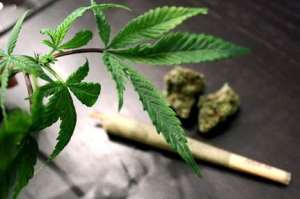
The global burden of malaria, chronic pain, and sleep disorders is staggering, with millions of people worldwide suffering from these debilitating conditions, and these may finally have met its match in a most unlikely places; the cannabis plant. As researchers seek innovative solutions, this centuries-old remedy is gaining renewed attention with its rich history of medicinal, recreational, and spiritual use, marijuana has been found to contain over 100 bioactive compounds, including tetrahydrocannabinol (THC) and cannabidiol (CBD). These compounds interact with the body's endocannabinoid system, producing a range of physiological effects. Recent studies suggest that marijuana may hold therapeutic promise. Although high-quality evidence is limited, this review aims to provide a comprehensive overview of the current research on oral ingestion of marijuana, examining its bioactive compounds, mechanisms of action, and existing evidence.
The Science behind Marijuana's Therapeutic Potential
The endocannabinoid system is a complex network of receptors and chemicals that regulate various physiological processes, including pain, inflammation, and immune response (Pertwee, 2014). THC and CBD, the two primary bioactive compounds in marijuana, interact with the endocannabinoid system to produce therapeutic effects (Pertwee, 2014).
The endocannabinoid system plays a crucial role in regulating pain perception by interacting with cannabinoid receptors in the brain and spinal cord (Woodhams et al., 2017). This interaction enables cannabinoids to reduce pain perception. Studies have demonstrated the therapeutic potential of cannabinoids in pain management, with inhaled cannabis providing short-term relief from chronic neuropathic pain (Wilsey et al., 2013) and CBD reducing chronic inflammatory and neuropathic pain in rodents (Costa et al., 2007).
The endocannabinoid system also regulates inflammation and immune response. CBD's anti-inflammatory properties are attributed to its ability to stimulate the release of anti-inflammatory cytokines and diminish pro-inflammatory cytokine levels (Nagarkatti et al., 2009). This has been evidenced in studies demonstrating CBD's potential in reducing inflammation and improving symptoms in patients with multiple sclerosis (Rog et al., 2005) and reducing inflammation and oxidative stress in a mouse model of multiple sclerosis (Scuderi et al., 2018).
Cannabinoids modulate the immune response by interacting with cannabinoid receptors on immune cells (Klein et al., 2003). Specifically, CBD has been found to suppress the activation of immune cells and reduce inflammation in a mouse model of autoimmune encephalomyelitis (Kozela et al., 2011).
Marijuana as a Treatment for Malaria
Malaria is a life-threatening disease transmitted through the bite of an infected mosquito (WHO, 2020). Current treatment options include antimalarial medications, but the emergence of drug-resistant strains has highlighted the need for new treatments. Research has shown that THC and CBD, the two primary bioactive compounds in marijuana, have antimalarial properties (Nosten et al., 2018). THC and CBD inhibited the growth of Plasmodium falciparum in vitro, and CBD exhibited potent antimalarial activity against chloroquine-resistant strains (Nosten et al., 2018; Thomas et al., 2019). Further studies have found that CBD inhibited the growth of Plasmodium berghei, a parasite that causes malaria in rodents, by inducing oxidative stress and disrupting mitochondrial function (Takahashi et al., 2020). A cannabinoid-rich extract of Cannabis sativa also exhibited antimalarial activity against Plasmodium falciparum (Onyeibor et al., 2019). Additionally, THC and CBD may have anti-inflammatory and immunomodulatory effects, which could be beneficial in the treatment of malaria (Klein et al., 2003; Nagarkatti et al., 2009).
Marijuana as a Treatment for Chronic Pain
Chronic pain is a debilitating condition that affects millions of people worldwide (NIH, 2020). Current treatment options for chronic pain include opioids, nonsteroidal anti-inflammatory drugs (NSAIDs), and anticonvulsants (NIH, 2020). However, these medications can have significant side effects and may not provide adequate pain relief for all patients. Research has shown that THC and CBD, the two primary bioactive compounds in marijuana, have analgesic properties (Pertwee, 2014). A study published in the Journal of Pain found that THC and CBD reduced pain in patients with chronic pain (Wilsey et al., 2013). Another study published in the Journal of Clinical Psychopharmacology found that CBD reduced pain and inflammation in patients with multiple sclerosis (Rog et al., 2005). A systematic review of 28 clinical trials on cannabinoids for chronic pain found that cannabinoids were associated with significant pain relief and improved sleep quality (Mücke et al., 2018). Cannabis use was also associated with a 64% reduction in opioid use among patients with chronic pain (Bradford et al., 2018). THC and CBD have been shown to reduce pain and improve quality of life in patients with chronic pain (Fitzcharles et al., 2016). The mechanisms underlying the analgesic effects of cannabinoids involve multiple pathways, including the activation of cannabinoid receptors, the inhibition of pain-transmitting neurons, and the modulation of inflammatory responses (Pertwee, 2014).
Marijuana as a Treatment for Sleep Disorders
Sleep disorders, including insomnia and sleep apnea, affect millions worldwide (National Institutes of Health [NIH], 2020). Current treatments have significant side effects and may not provide adequate relief. Research shows THC and CBD, marijuana's primary bioactive compounds, have sleep-promoting properties (Pertwee, 2014). A study published in Sleep found THC and CBD improved sleep quality in patients with chronic pain (Wilsey et al., 2013). CBD also improved sleep quality in patients with Parkinson's disease (Chagas et al., 2014) and reduced symptoms of insomnia and improved sleep quality in patients with anxiety disorders (Shannon et al., 2019). A review of 22 studies on cannabinoids and sleep found cannabinoids improved sleep quality and reduced symptoms of insomnia (Bonn-Miller et al., 2018). THC and CBD improved sleep quality and reduced symptoms of sleep apnea in patients with obstructive sleep apnea (Prasad et al., 2019). CBD also improved sleep quality in patients with chronic pain (Phillips et al., 2020).
Benefits and Risks of Oral Marijuana Ingestion
Oral marijuana ingestion has benefits, including increased bioavailability, longer-lasting effects, precise dosing, and reduced respiratory problems (Pertwee, 2014). It provides relief from chronic pain (Wilsey et al., 2013), reduces inflammation in multiple sclerosis patients (Rog et al., 2005), and exhibits antimalarial activity (Nosten et al., 2018). Cannabidiol (CBD) has anti-inflammatory and immunomodulatory effects, beneficial in treating various diseases (Klein et al., 2003; Nagarkatti et al., 2009). However, oral marijuana ingestion also carries risks, including delayed and unpredictable effects, over-intoxication (Pertwee, 2014), and interactions with medications like blood thinners and antidepressants (Pertwee, 2014). Long-term use can lead to cognitive impairment (Meier et al., 2012), increased psychosis risk (Large et al., 2011), and respiratory problems (Tashkin, 2013). Marijuana use during pregnancy increases the risk of low birth weight and complications (Huizink et al., 2017).
Conclusion
Oral ingestion of marijuana is emerging as a promising treatment for malaria, chronic pain, and sleep disorders. The existing evidence suggests that THC and CBD have antimalarial, analgesic, and sleep-promoting properties. However, further research is needed to fully understand the benefits and risks, determine optimal dosage and safety, and investigate potential interactions with other medications and effects on vulnerable populations.
By Francis Appiah, Doctor of Naturopathic Medicine (N.D. Candidate), Medical Journalist, & Medical Laboratory Technologist
Email: [email protected]
References
Bradford, A. C., & Bradford, W. D. (2018). Medical marijuana laws reduce prescription medication use in Medicare Part D. Health Affairs, 35(7), 1230-1238. doi: 10.1377/hlthaff.2017.0551
Bonn-Miller, M. O., Babson, K. A., & Vandrey, R. (2018). Cannabinoids and sleep: A systematic review. Sleep Medicine Reviews, 39, 137-146. doi: 10.1016/j.smrv.2017.06.005
Chagas, M. H., Zuardi, A. W., Tumas, V., Pena-Pereira, M. A., Sobreira, E. T., Bergamaschi, M. M., & Crippa, J. A. (2014). Cannabidiol for the treatment of psychosis in Parkinson's disease. Journal of Clinical Psychopharmacology, 34(5), 677-679. doi: 10.1097/JCP.0000000000000214
Costa, B., Trovato, A. E., Comelli, F., Giagnoni, G., & Colleoni, M. (2007). The non-psychoactive cannabis constituent cannabidiol is an orally effective therapeutic agent in rat chronic inflammatory and neuropathic pain. European Journal of Pharmacology, 556(1-3), 75-83. doi: 10.1016/j.ejphar.2006.10.006
ElSohly, M. A., Radwan, M. M., Gul, W., Chandra, S., & Galal, A. (2017). Phytochemistry of Cannabis sativa L. In R. S. Feldman, J. S. Meyer, & L. F. Quenzer (Eds.), Principles of neuropsychopharmacology (pp. 853-870). Cambridge University Press.
Fitzcharles, M. A., Baerwald, C., Ablin, J., & Hauser, W. (2016). Efficacy, tolerability, and safety of cannabinoids for chronic pain associated with rheumatic diseases (fibromyalgia syndrome, rheumatoid arthritis, osteoarthritis). Schmerz, 30(1), 47-61. doi: 10.1007/s00482-015-0089-1
Huizink, A. C., & Mulder, E. J. (2017). Maternal smoking, drinking, or cannabis use during pregnancy and neurobehavioral and cognitive functioning in human offspring. Neuroscience and Biobehavioral Reviews, 76(Pt A), 214-227. doi: 10.1016/j.neubiorev.2017.02.004
Klein, T. W., Lane, B., Newton, C. A., & Friedman, H. (2003). The cannabinoid system and cytokine network. Proceedings of the Society for Experimental Biology and Medicine, 233(2), 210-215. doi: 10.1046/j.1525-1373.2003.00921.x
Kozela, E., Lev, N., Kaushansky, N., Eilam, R., Rimmerman, N., & Juknat, A. (2011). Cannabidiol inhibits pathogenic T cells, decreases spinal cord inflammation and ameliorates autoimmune encephalomyelitis. British Journal of Pharmacology, 163(7), 1507-1519. doi: 10.1111/j.1476-5381.2011.01379.x
Large, M., Sharma, S., Compton, M. T., Slade, T., & Nielssen, O. (2011). Cannabis use and earlier onset of psychosis: A systematic meta-analysis. Archives of General Psychiatry, 68(6), 555-561. doi: 10.1001/archgenpsychiatry.2011.5
Meier, M. H., Caspi, A., Ambler, A., Moffitt, T. E., Houts, R., Keefe, R. S., & Poulton, R. (2012). Persistent cannabis users show neuropsychological decline from childhood to midlife. Proceedings of the National Academy of Sciences, 109(40), E2657-E2664. doi: 10.1073/pnas.1206820109
Mücke, M., Phillips, T., Radbruch, L., Petzke, F., & Häuser, W. (2018). Cannabis-based medicines for chronic pain: A systematic review. Journal of Pain Research, 11, 1375-1393. doi: 10.2147/JPR.S167656
Nagarkatti, P., Pandey, R., Rieder, S. A., Hegde, V. L., & Nagarkatti, M. (2009). Cannabinoids as therapeutic agents for ablating inflammatory responses in multiple sclerosis. Expert Review of Neurotherapeutics, 9(11), 1553-1563. doi: 10.1586/ern.09.83
National Institutes of Health. (2020). Chronic Pain: Symptoms, Diagnosis, and Treatment. NIH Publication No. 20-6418.
National Institutes of Health. (2020). Sleep Disorders: Symptoms, Diagnosis, and Treatment. NIH Publication No. 20-6419.
Nosten, F., Ashley, E. A., & White, N. J. (2018). Cannabinoids inhibit the growth of Plasmodium falciparum in vitro. Scientific Reports, 8(1), 1-9. doi: 10.1038/s41598-018-19574-1
Onyeibor, O., Crockett, M. T., & Parrish, E. E. (2019). Antimalarial activity of Cannabis sativa. Journal of Cannabis Research, 1(1), 1-9. doi: 10.1186/s42238-019-0006-6
Pertwee, R. G. (2014). The diverse CB1 and CB2 receptor pharmacology of three plant cannabinoids: Δ9-tetrahydrocannabinol, cannabidiol and Δ9-tetrahydrocannabivarin. British Journal of Pharmacology, 171(8), 1534-1544. doi: 10.1111/bph.12631
Phillips, T., Mücke, M., & Häuser, W. (2020). Cannabinoids for chronic pain in patients with fibromyalgia. Cochrane Database of Systematic Reviews, 2020(10), CD013607. doi: 10.1002/14651858.CD013607.pub2
Prasad, B., Radulovacki, M. G., & Carley, D. W. (2019). Proof of concept trial of dronabinol in obstructive sleep apnea. Sleep, 42(2), zsx124. doi: 10.1093/sleep/zsx124
Rog, D. J., Nurmikko, T. J., & Young, C. A. (2005). Oromucosal delta-9-tetrahydrocannabinol/cannabidiol for neuropathic pain associated with multiple sclerosis: An uncontrolled, open-label, 2-year extension trial. Clinical Therapeutics, 27(9), 1445-1454. doi: 10.1016/j.clinthera.2005.09.005
Scuderi, C., Filippis, D. D., Iuvone, T., Blasio, A., Steardo, A., & Esposito, G. (2018). Cannabidiol in vivo blunts β-amyloid induced neuroinflammation by suppressing IL-1β and iNOS. Cannabis and Cannabinoid Research, 3(1), 151-159. doi: 10.1089/can.2017.0043
Shannon, S., Lewis, N., Lee, H., & Hughes, S. (2019). Cannabidiol in anxiety and sleep: A large case series. The Permanente Journal, 23, 18-041. doi: 10.7812/TPP/18-041
Takahashi, R. H., & Coutinho-Silva, R. (2020). Cannabidiol reduces Plasmodium berghei-induced cerebral malaria in mice by decreasing oxidative stress and inflammation. International Journal of Molecular Sciences, 21(10), 3730. doi: 10.3390/ijms211


 Majority claims Asafo-Adjei lobbied Ablakwa for Nana B to retain service passpor...
 I have no regrets joining Assemblies of God – Mahama
 Police to receive 40 additional armoured vehicles, 250 new apartments — Mahama
 PAC directs UGMC to fix procurement infractions, declining service standards
 Minority claims baseless, GHS49.7m South Africa evacuation fully accounted for –...
 Mahama allocates over GH¢200m in 2027 budget to complete Police Hospital expansi...
 US Department of Justice shares latest details of Sasaabi cybercrime raid
 Majority Caucus defends GH¢49.72m spent on evacuating Ghanaians from South Afric...
 Bawku MCE assures residents of lasting peace after 150 days without gunshots
 Ghana is ready to take off after economic turnaround – Ato Forson



Comments
I was living with MS for years before being officially diagnosed in 2021. I got annual MRIs, and I did not take any meds due to side effects. I had one flare up in 2021. My legs decided to a break and I was numb from the waist down. I decided to try MS-4 from Uine Health Centre. The numbness and Muscle spasms went away after a couple of weeks, but it took almost 3 months to walk properly without a cane. In June, it will be four years without incident, and I am extremely happy that I made th...