




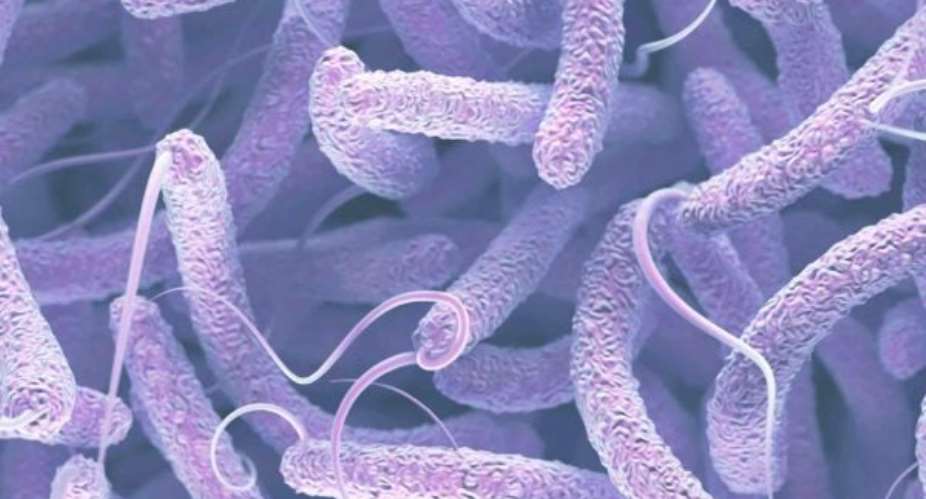
In early 2025, Ghana has been battling cholera and meningitis outbreaks, prompting urgent vaccination campaigns. While these diseases have vaccines available globally, Ghana still relies on imports. This raises an important question: Can Ghana develop its own vaccines to tackle these outbreaks and future health challenges?
With the country’s growing expertise in medical research and biotechnology, these outbreaks could serve as a catalyst for groundbreaking vaccine research and production in Ghana.
The Current Situation: Cholera and Meningitis Outbreaks
Cholera in Ghana
Since January 1, 2025, Ghana has recorded 1,479 cholera cases, with nine reported deaths. Cholera, caused by the Vibrio cholerae bacterium, spreads through contaminated food and water, leading to severe diarrhea and dehydration.
To combat the outbreak, the Ghana Health Service launched an oral cholera vaccination campaign in February 2025, targeting high-risk areas in the Greater Accra Region. However, these vaccines are imported, making Ghana dependent on external suppliers.
Meningitis in Ghana
On February 19, 2025, a meningitis outbreak was reported in the Upper West Region. Meningitis, an inflammation of the membranes surrounding the brain and spinal cord, can be caused by bacteria, viruses, or fungi. The bacterial form is the most deadly, requiring immediate treatment and vaccination.
Ghana is part of the African meningitis belt, making outbreaks a recurring problem. While meningitis vaccines exist, Ghana still depends on imported doses to contain these outbreaks.
The Need for Ghana to Develop Its Own Vaccines
1. Reducing Dependence on Foreign Vaccines
Ghana currently imports vaccines from institutions like the Serum Institute of India, Gavi, and WHO. In times of global health crises, vaccine supply can be limited. Producing vaccines locally would ensure faster response times, better accessibility, and cost savings.
2. Strengthening Ghana’s Biotechnology and Pharmaceutical Industry
Ghana has top research institutions like the Noguchi Memorial Institute for Medical Research (NMIMR) and KNUST's Department of Biochemistry and Biotechnology. These institutions have the expertise to develop vaccines with the right funding and infrastructure.
Investing in vaccine research could also boost local pharmaceutical companies, creating jobs and economic opportunities.
3. Adapting Vaccines to Local Strains
Cholera and meningitis strains in Ghana may differ from those in other parts of the world. A homegrown vaccine tailored to Ghana’s unique disease patterns could be more effective than imported ones.
4. Ghana as a Regional Vaccine Hub
If Ghana develops its own vaccines, it could supply neighboring countries in West Africa, positioning itself as a leader in African vaccine production. This would enhance regional health security and reduce dependence on Western pharmaceutical companies.
Challenges and How to Overcome Them
1. Funding for Research and Development
Vaccine development requires huge financial investments. Ghana must increase government funding for scientific research and seek private sector partnerships and international grants.
2. Building Advanced Laboratories and Manufacturing Facilities
State-of-the-art biotechnology labs and vaccine production plants are needed. Public-private partnerships can help establish these facilities.
3. Training Scientists and Researchers
Ghana must train and retain skilled scientists in vaccine research, virology, and immunology. Scholarships and research grants can encourage more Ghanaians to specialize in vaccine development.
4. Gaining WHO and International Approval
To make vaccines globally acceptable, Ghana must ensure they meet WHO safety and efficacy standards. This requires strong regulatory frameworks and clinical trials.
A Golden Opportunity for Ghana
The ongoing cholera and meningitis outbreaks highlight the urgent need for Ghana to develop its own vaccines. With the right investment, research, and government commitment, Ghana could make history by producing its first locally made vaccine before 2030.
By taking this step, Ghana can protect its citizens, become a leader in African vaccine production, and achieve a major scientific breakthrough. The time to act is now.


 Nigeria's Dangote refinery launches continent's biggest IPO
 Accra-Kumasi Expressway to cut travel time to 2hours, drive 120km per hour — Mah...
 'Our own money $2billion ready, we have not gone to borrow money from anywhere' ...
 Founder’s Day September 21 declared public holiday
 Council of State was not qualified to determine prima facie case against Torkorn...
 'Grounds for removal of Chief Justice and justice of superior court shallow, eph...
 Family of Gbewaa Training College lecturer killed by curfew soldiers vows legal ...
 Don't be a Bar that flips on principles but a Bar that is consistent — AG tells ...
 Prostate cancer may show no symptoms until advanced stage – Urologist warns
 Fully completed GH¢213,490 SOCO volleyball court abandoned after Bongo youth rej...


