




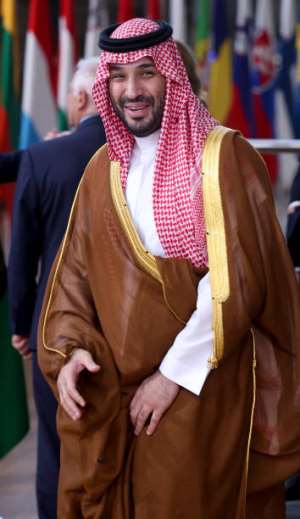
In 2016, Crown Prince Mohammed bin Salman unveiled Saudi Arabia’s Vision 2030, an ambitious strategic plan designed to transform the kingdom’s economy, diversify its industries and redefine its geopolitical standing. Rooted in innovation, international collaboration and economic diversification, the vision aims to shift Saudi Arabia away from its historical dependence on oil exports. As of 2025, the kingdom has made significant strides in advancing its objectives, positioning itself as a formidable player in the global energy transition and as a beacon of investment and innovation. This piece offers an in-depth analysis of the progress made under Vision 2030, with a particular focus on diversification efforts, investment attraction, and geopolitical influence.
Economic Diversification
At the heart of Vision 2030 lies the drive to diversify Saudi Arabia’s economy, reducing its over-reliance on oil. For decades, oil exports constituted more than 70% of the kingdom’s revenues, creating vulnerabilities in the face of fluctuating global oil prices and global efforts to shift towards greener energy sources. As the kingdom embarks on its diversification journey, many key initiatives have taken centre stage, fundamentally reshaping the country’s economic landscape.
Tourism Expansion: Tourism has emerged as one of the crown jewels of Saudi Arabia’s economic diversification. Under Vision 2030, the kingdom has launched large-scale projects to create a world-class tourism industry, catering to international travellers while promoting its rich cultural heritage. One of the most notable projects is the Red Sea Project, a luxury tourism destination that spans islands, coral reefs and pristine beaches, offering high-end resorts and world-class amenities. This ambitious endeavour has been designed to tap into the global tourism market, helping to position Saudi Arabia as a leading tourist destination in the region.
Besides, the ancient city of Al-Ula has been developed as a global cultural hub, showcasing the kingdom’s heritage through initiatives like the Winter at Tantora festival. These efforts, coupled with modernized visa policies, have resulted in a significant increase in international tourist arrivals. By 2025, Saudi Arabia’s tourism industry has contributed to substantial GDP growth, job creation and the diversification of income sources, marking a pivotal shift from traditional oil-based revenue streams.
Neom City and Technological Innovation: The Neom project, a $500 billion mega-city in northwestern Saudi Arabia, stands as the flagship project of Vision 2030’s focus on innovation and futuristic development. Neom is designed to be a technological marvel, incorporating cutting-edge technologies such as artificial intelligence (AI), renewable energy and smart city infrastructure. As of 2025, Neom has made significant progress in its development, attracting international investment and partnerships from global tech giants.
The sub-project, The Line, exemplifies the kingdom’s vision for sustainable urban planning. A linear city with zero carbon emissions, The Line will be built around nature, reducing urban sprawl and eliminating the need for cars. This ambitious project reflects Saudi Arabia’s broader goal of positioning itself as a global leader in technological innovation and sustainable urban development.
Entertainment and Cultural Development: The entertainment sector has undergone a remarkable transformation, with the General Entertainment Authority (GEA) at the helm of creating an ecosystem that promotes cultural and leisure activities. Saudi Arabia has hosted a variety of international events, including world-renowned music festivals, sporting events and theatrical productions. The kingdom’s investment in entertainment infrastructure, including theme parks and concert venues, has not only diversified the economy but also reshaped Saudi Arabia’s international image.
These cultural developments are helping to create new economic sectors while also fostering a more open and dynamic society. By 2025, the kingdom’s entertainment and leisure industries have become an important source of non-oil revenue, attracting both domestic and international consumers.
Industrial Growth and Manufacturing: As part of its economic diversification efforts, Saudi Arabia has invested heavily in the industrial sector. The National Industrial Development and Logistics Programme (NIDLP) has been central to fostering growth in manufacturing and logistics, incentivizing foreign investment while also supporting local businesses. The kingdom’s strategic investments in infrastructure, such as the King Salman International Airport and the King Abdulaziz Port, have further cemented Saudi Arabia’s position as a regional industrial powerhouse. As of 2025, the kingdom has made notable advances in developing its manufacturing capabilities, providing diverse products for both local and international markets.
Global Investment Attraction: The Public Investment Fund (PIF), Saudi Arabia's sovereign wealth fund, has emerged as a cornerstone of the nation's efforts to attract global investments and drive economic diversification under the ambitious Vision 2030 framework. Established to reduce Saudi Arabia's dependency on oil revenues, the PIF has become a significant player in the global investment arena, leveraging its robust financial capabilities to forge strategic partnerships and attract foreign direct investments. Its initiatives align with Vision 2030’s objectives, focusing on developing key sectors such as tourism, technology and renewable energy, while simultaneously fostering innovation and creating sustainable job opportunities. The fund’s proactive investment strategies and high-profile acquisitions have not only elevated its global profile but also positioned Saudi Arabia as an attractive hub for international investors seeking long-term growth.
By 2025, the PIF’s assets have exceeded a staggering $1 trillion, cementing its status as one of the largest and most influential sovereign wealth funds in the world. This immense financial clout enables the fund to undertake ambitious projects, from the futuristic city of NEOM to investments in global brands and cutting-edge technologies. These efforts underscore the PIF’s pivotal role in reshaping Saudi Arabia's economic landscape and fostering resilience in the face of global economic challenges. By leveraging its vast resources and strategic vision, the PIF continues to attract top-tier investors and catalyze transformative growth, solidifying its reputation as a driving force behind Saudi Arabia’s emergence as a global economic powerhouse.
Strategic Foreign Partnerships: Saudi Arabia has established vital collaborations with leading global corporations across industries such as renewable energy, technology and healthcare, positioning itself as a hub for innovation and economic diversification. These partnerships have introduced advanced expertise, cutting-edge technologies and significant capital investments into the kingdom, enabling it to pursue transformative projects that align with its Vision 2030 goals. For instance, in renewable energy, joint ventures with international firms have facilitated the construction of expansive solar and wind farms, harnessing the country’s abundant natural resources to generate clean energy. These projects not only support Saudi Arabia's ambition to emerge as a global leader in renewable energy but also create employment opportunities, foster technological transfer and contribute to the kingdom's transition towards a more sustainable and resilient economy.
Ease of Doing Business Reforms: The Saudi government has embarked on a transformative journey to create a more business-friendly environment through comprehensive regulatory reforms. These initiatives have included the modernization of commercial laws to ensure greater transparency and efficiency, the establishment of free zones designed to attract international companies with competitive tax and regulatory benefits, and the simplification of visa processes to facilitate the entry of foreign professionals and investors. Such measures have significantly reduced bureaucratic hurdles, increased investor confidence and enhanced the ease of setting up and operating businesses in the kingdom. By 2025, these reforms have positioned Saudi Arabia as a premier destination for foreign investment in the region, serving as a cornerstone of its Vision 2030 strategy to diversify the economy beyond oil and foster sustainable economic growth.
Green and Sustainable Investments: As part of its ambitious Green Saudi Initiative, Saudi Arabia has made remarkable progress in attracting investments centered around sustainability, positioning itself as a global leader in the green energy sector. The kingdom has invested heavily in a diverse range of renewable energy projects, including cutting-edge hydrogen production technologies, large-scale wind farms and advanced carbon capture initiatives. These efforts are transforming Saudi Arabia into a key player in the global shift towards sustainable energy. By 2025, the kingdom's substantial investments in renewable energy are expected to solidify its role as a leading hub for sustainable development, attracting attention from international companies and organizations committed to addressing climate change. This growing focus on green investments not only aligns with Saudi Arabia’s Vision 2030 but also showcases the kingdom’s proactive stance in driving the global energy transition while creating new economic opportunities.
Geopolitical Influence
Beyond economic diversification, Vision 2030 also aims to increase Saudi Arabia’s geopolitical influence. By leveraging its economic strength, strategic location and leadership in regional organizations, the kingdom has sought to bolster its global standing.
Leadership in the Gulf and Middle East: Saudi Arabia’s active foreign policy and its leadership role in the Gulf Cooperation Council (GCC) and the Organization of Islamic Cooperation (OIC) have solidified its position as a regional power. The kingdom has played an important role in mediating regional conflicts and fostering alliances, using its economic influence to enhance its political leverage. By 2025, Saudi Arabia’s diplomatic efforts have earned it recognition as a stabilizing force in the Middle East.
Energy Diplomacy: Despite global efforts to transition towards renewable energy, Saudi Arabia remains a crucial player in the global energy market. Through its leadership of OPEC+ and its continued investments in oil production, the kingdom has played an essential role in stabilizing global oil prices while balancing the interests of producers and consumers. Saudi Arabia’s investments in renewable energy technologies further enhance its standing as a key partner for nations seeking sustainable energy solutions.
Global Forums and Multilateral Engagements: Saudi Arabia’s active engagement in global forums like the G20 and the United Nations has significantly bolstered its position as a key player in international diplomacy. By leveraging these platforms, the kingdom has been able to advocate for important global issues, including climate action, economic resilience and digital transformation, all of which align with its Vision 2030 goals. This strategic participation has enabled Saudi Arabia to build alliances, shape discussions and influence international policies in a manner that enhances its global standing. Moreover, the kingdom’s leadership in these multilateral engagements reflects its commitment to fostering cooperation on pressing global challenges, thus strengthening its role as a leading actor in the global arena.
Reshaping the Energy Landscape Amid the Global Transition
As the global energy landscape shifts towards renewable sources, Saudi Arabia has adapted its energy strategy to maintain its relevance in the changing market.
Maximizing Oil Efficiency: Maximizing oil efficiency has been a key priority for Saudi Aramco, which has invested heavily in cutting-edge technologies to enhance the extraction process while minimizing its environmental footprint. By utilizing innovations such as advanced drilling techniques, artificial intelligence and digitalization, the company has significantly improved operational efficiency and reduced energy consumption. These technological advancements allow Aramco to extract oil more precisely and with fewer resources, mitigating the environmental damage traditionally associated with large-scale oil production. As global energy markets evolve toward more sustainable alternatives, Saudi Arabia’s ongoing emphasis on refining oil production techniques ensures that its oil remains competitive, meeting the demands of an increasingly eco-conscious market while maintaining a strong position in the global energy sector.
The Rise of Green Hydrogen: Saudi Arabia is making substantial progress in its efforts to emerge as a global leader in green hydrogen production. With its abundant natural resources, including vast solar and wind potential, the kingdom is uniquely positioned to harness renewable energy for the production of green hydrogen, an eco-friendly fuel created through the electrolysis of water using clean power. Saudi Arabia's strategic investment in green hydrogen aims to decarbonize sectors such as transportation, industrial processes and power generation, which are traditionally reliant on fossil fuels. By 2025, the kingdom is set to become a key player in the global green hydrogen market, supplying this sustainable energy solution to help meet the world's growing demand for clean energy and contributing to global efforts to reduce carbon emissions. This shift not only aligns with Saudi Arabia’s Vision 2030 for economic diversification but also enhances its role in the transition toward a low-carbon future.
Renewable Energy Projects: Saudi Arabia has made significant strides in diversifying its energy portfolio by investing in renewable energy projects, particularly solar and wind power. With vast deserts and abundant sunlight, the kingdom has harnessed its natural resources to develop large-scale solar plants like the Sakaka Solar Plant, which generates 600 MW of electricity. Furthermore, the Dumat Al-Jandal Wind Farm, the first commercial wind farm in the kingdom, further showcases Saudi Arabia's commitment to green energy. These projects are part of the country's Vision 2030 plan to reduce its reliance on fossil fuels, address climate change and pave the way for a more sustainable energy future. By investing in renewables, Saudi Arabia aims to contribute significantly to global efforts in mitigating the effects of climate change while ensuring energy security for its own growing population.
Circular Carbon Economy: Saudi Arabia has become a global leader in advocating for and implementing the concept of a Circular Carbon Economy (CCE). This innovative approach focuses on reducing, reusing, recycling and removing carbon emissions to combat climate change. The kingdom has made substantial progress in technologies such as carbon capture and storage (CCS), which captures carbon dioxide from the atmosphere and stores it underground to prevent it from entering the climate. Saudi Arabia’s investment in CCS technologies has set new global benchmarks, establishing the country as a key player in sustainability efforts. By prioritizing the reduction of carbon emissions through CCE initiatives, Saudi Arabia aims to transition towards a more sustainable, low-carbon economy while still maintaining its economic growth and energy production capacity. This strategy not only addresses environmental concerns but also creates new opportunities for innovation and job creation in emerging green industries.
Challenges and Opportunities
While Saudi Arabia’s Vision 2030 has made impressive strides, the kingdom faces several challenges.
Economic and Social Resistance: The transition away from oil dependency in Saudi Arabia has encountered resistance from stakeholders who have been deeply invested in the traditional oil-based economy. These groups, including government officials, oil companies and local communities, have relied on the revenue from oil exports for economic stability and growth. The shift towards diversification, while necessary for long-term sustainability, threatens their established financial models and social structures. In addition, attempts to introduce social reforms aimed at liberalizing the society, such as greater gender equality and increased freedoms, have met with strong opposition from conservative factions within the country. These factions fear that such changes could disrupt the social fabric and traditional values of Saudi Arabia.
Global Competition: Saudi Arabia is facing increasing competition from other Gulf nations, particularly the UAE and Qatar, in areas such as attracting foreign investments, boosting tourism and recruiting global talent. The UAE, with its established financial hubs like Dubai and Qatar, known for its luxury tourism and sports investments, have set high standards in terms of innovation, infrastructure and business-friendly policies. To stay competitive, Saudi Arabia will need to continue pushing for reforms that foster innovation, infrastructure development and a more open economy. The Vision 2030 initiative aims to make the kingdom a global leader in various sectors, but the pressure to keep pace with other Gulf countries in attracting investments and talent will require consistent efforts and creative solutions.
Climate and Environmental Concerns: Saudi Arabia faces the difficult task of balancing its rapid economic growth with environmental sustainability. As the world increasingly focuses on climate change and green technologies, the kingdom's reliance on oil as a primary source of revenue comes under scrutiny. While Saudi Arabia has made significant strides in adopting green technologies, such as solar and wind power, the transition to a fully sustainable economy remains a complex challenge. The kingdom’s large carbon footprint and dependence on fossil fuels make it difficult to pivot entirely to renewable energy sources. Moreover, infrastructure and regulatory frameworks need significant investments to support a shift towards a greener economy, and the kingdom must carefully navigate these environmental goals without sacrificing economic growth.
Opportunities for Growth: The global transition to renewable energy presents Saudi Arabia with unique opportunities to diversify its economy and take a leadership role in clean technologies. The kingdom's investment in solar power, hydrogen production, and other sustainable energy projects positions it to become a major player in the global green economy. Furthermore, Saudi Arabia’s youthful population, with a median age under 30, offers a demographic dividend that can fuel future economic and technological growth. The kingdom’s strategic location, with access to key trade routes and proximity to both Africa, Asia and Europe, also provides untapped potential for economic expansion. By harnessing its young workforce and leveraging its geographical advantages, Saudi Arabia can create a vibrant, diversified economy beyond oil, with significant cultural and technological influence on the world stage.
Conclusion
As of 2025, Saudi Arabia’s Vision 2030 has significantly reshaped the kingdom’s economy, global role, and energy landscape. Through strategic investments, innovative projects, and a commitment to diversification, Saudi Arabia has positioned itself as a leader in the Middle East and a key player on the global stage. The kingdom’s ability to balance traditional strengths with innovative solutions will determine the long-term success of its ambitious vision. By navigating the complexities of global energy transitions, economic diversification and geopolitical influence, Saudi Arabia is set to emerge as a model for future economic transformation in the 21st century.
The writer is a journalist and columnist specializing in international affairs, a PR expert, and a journalism lecturer with a PhD in Journalism and expertise in global diplomacy and foreign policy. Contact: [email protected]

 Wontumi’s lawyers want Exim Bank case treated as civil, not criminal
 Mahama to cut sod for Accra Convention Centre project – Kwakye Ofosu
 Mahama administration committed to stamping out cybercrime – Sam George
 Ghana joins International Big Cat Alliance to strengthen wildlife conservation
 Africa must strengthen strategic positioning amid global power shifts – ECOWAS
 PAC grills GHS over transport officer who allegedly sold seven state vehicles wi...
 Pentecost Church elder was arrested over GH¢200,000 fraud case, not kidnapped – ...
 Banning preaching in vehicles will not succeed, we will even preach at the back ...
 Banks threaten to suspend new loans to public sector workers over Controller rep...


