




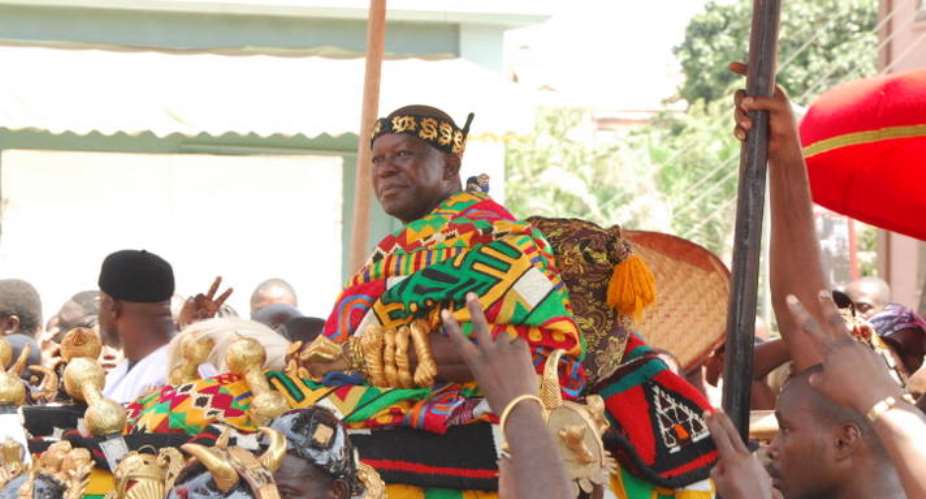
Culture, a cornerstone of societal identity, has sparked global debates for centuries. It remains a complex and evolving concept, particularly in postcolonial contexts like Ghana, where colonial legacies have left indelible marks on cultural practices and institutions.
During British colonial rule in the early 20th century, Ghana’s indigenous culture was relegated to a secondary role. Traditional rulers were stripped of real power, and cultural practices were often dismissed as primitive or irrelevant. Western education and values were prioritized, and indigenous traditions were reduced to ceremonial displays. Despite this marginalization, Ghanaian society retained its respect for traditional authorities, who continued to wield influence over land ownership and community governance.
Colonialism and Cultural Suppression
Colonialism brought systemic changes that altered Ghanaian culture. The British imposed Western norms, from institutional celebrations like Empire Day to the valorisation of Shakespearean literature. Participation in political and economic spheres required fluency in English, possession of wealth and immovable assets reinforcing a master-servant dynamics. Indigenous education was limited to basic skills for managing colonial trade at the United Africa Company and Patterson Zochonis, perpetuating socio-economic inequality. Christianity, as a tool of colonialism, further eroded cultural values. Indigenous religious practices were labelled as heathen, while Western religious ideologies promoted submission and passivity. These dynamics contributed to cultural alienation and economic disparities, leaving a legacy of corruption and dependency.
The Need for Cultural Revival
By the mid-20th century, concerns about cultural extinction were widespread. Cultural anthropologists noted the disappearance of indigenous languages and practices. Ghanaians grappled with questions about their cultural identity, heritage, and values. Many abandoned traditional names and practices in favour of Western ones, reflecting a deep-seated cultural inferiority complex. The dominance of Western media and music further eroded local traditions.
Recognizing the urgent need to preserve Ghanaian culture, nationalist movements in the 1950s advocated for cultural revival. Scholars like F.K. Buah and Adu Boahen highlighted the potential of Ghana’s history and traditions to inspire national pride and drive tourism. However, colonial biases persisted, portraying African cultures as primitive and attributing their achievements to external influences.
The Birth of the Centre for National Culture
In 1951, Dr. Alexander Atta Yaw Kyerematen founded the Centre for National Culture in Ghana, a visionary response to the cultural crisis. It was first called Ashanti Cultural Centre, when Dr. Kwame Nkrumah changed the name to Ghana National Cultural Centre to have national appeal and to be adopted in the then 10 regions of Ghana. The Centre aimed to preserve and promote Ghanaian heritage, showcasing its richness and diversity. It was a bold statement against the colonial narrative that reduced African culture to agriculture and animal husbandry.
The Centre adopted a holistic approach to culture, emphasizing its material, institutional, and creative aspects. Architectural replicas, artifacts, and regalia of chiefs highlighted Ghana’s material culture. Performances of music, dance, and drama celebrated the creative spirit. Institutions like the Dwaberem and Apatakese Theatres provided spaces for cultural expression.
The philosophical and religious dimensions of Ghanaian culture were symbolized through artifacts like Okomfo Anokye’s sword, reflecting the spiritual underpinnings of traditional practices. The inclusion of Christian symbols acknowledged the coexistence of indigenous and imported religions.
Linking Ecology and Culture
The Centre integrated ecology into its cultural framework, cultivating botanical specimens and maintaining a zoo. These elements emphasized the connection between culture and nature, showcasing totems and symbols of authority in Ghanaian traditions. The initiative aimed to educate visitors, especially children, about the interplay between heritage and environment.
Promoting Cultural Literacy
The Ashanti Library, established at the Centre, underscored the importance of documenting oral traditions. The adage “When an elder dies, a library burns to the ground” inspired efforts to preserve Ghana’s intangible heritage. The library housed written records of cultural practices, making them accessible to future generations.
The Centre also promoted traditional crafts alongside modern art, fostering a dialogue between past and present. A restaurant offered traditional cuisine, further immersing visitors in Ghanaian culture.
Challenges and Opportunities
Despite its achievements, the Centre for National Culture faces financial constraints because of insufficient government funding and the unresolved debate over privatization versus subvention exacerbate this issue. This restricts its ability to implement and sustain programmes. There is a concern of inadequate facilities, lack of maintenance and underdeveloped infrastructure hinder efforts to position the Centre as a world-class cultural hub. The centres lack political and traditional leadership priority and this sometimes impede development plans. The Centres struggle to attract and retain skilled personnel due to low salaries, lack of benefits, and limited career advancement opportunities.
Nevertheless, the Centre continues to adapt, producing art and crafts and organizing some events to promote cultural awareness. Its mission to interpret Ghanaian culture for diverse audiences to countering colonial misrepresentations and fostering a sense of national pride is fading, partly due to lack of attractive programmes and reduced public engagement.
There is no doubt that Ghana possesses an incredible wealth of arts, culture, heritage, and environmental assets, which have immense potential to drive both domestic and international tourism. To maximize this potential, it is imperative that the Ministry of Tourism, Arts, and Culture, the Creative Arts Ministry, and the Ghana Tourism Authority must collaborate closely to redefine a new, cohesive vision for Ghana’s tourism industry. This vision should prioritize innovative marketing for global outreach and establishing museum of Ghanaian culture and tourism abroad.
Ghana’s tourism promotion should leverage digital platforms, global travel exhibitions, and targeted marketing campaigns to reintroduce Ghana as a destination of choice. Stories about Ghana's history, festivals, arts, and hospitality can be shared through creative media, including documentaries, brochures, social media, and partnerships with global influencers.
Secondly, by establishing an ambitious presence abroad, these museums in the UK and US for example can serve as an innovative approach to connect international audiences with Ghana’s rich heritage. The museums could feature replicas of iconic landmarks such as Cape Coast Castle and Kakum National Park, exhibitions on traditional Ghanaian arts, fashion, music, and cuisine, rotating displays on festivals like Adae kesie, Homowo, Hogbetsotso, and Aboakyire and finally capture an immersive experience in Ghanaian history and including narratives on the Trans-Atlantic Slave Trade. These museums would then act as cultural ambassadors, showcasing Ghana’s unique identity and encouraging tourists to visit the country.
Conclusion
As Ghana navigates the complexities of globalization, the Centre serves as a reminder of the importance of cultural identity. By embracing its heritage, Ghana can build a more inclusive and confident society, ensuring that the politics of culture continue to evolve in meaningful ways. By addressing its challenges through financial investment, infrastructure development, and strategic collaboration, the Centre for National Culture can reclaim its role as a leading institution for cultural preservation and promotion.


 Wontumi’s lawyers want Exim Bank case treated as civil, not criminal
 Mahama to cut sod for Accra Convention Centre project – Kwakye Ofosu
 Mahama administration committed to stamping out cybercrime – Sam George
 Ghana joins International Big Cat Alliance to strengthen wildlife conservation
 Africa must strengthen strategic positioning amid global power shifts – ECOWAS
 PAC grills GHS over transport officer who allegedly sold seven state vehicles wi...
 Pentecost Church elder was arrested over GH¢200,000 fraud case, not kidnapped – ...
 Banning preaching in vehicles will not succeed, we will even preach at the back ...
 Banks threaten to suspend new loans to public sector workers over Controller rep...


