




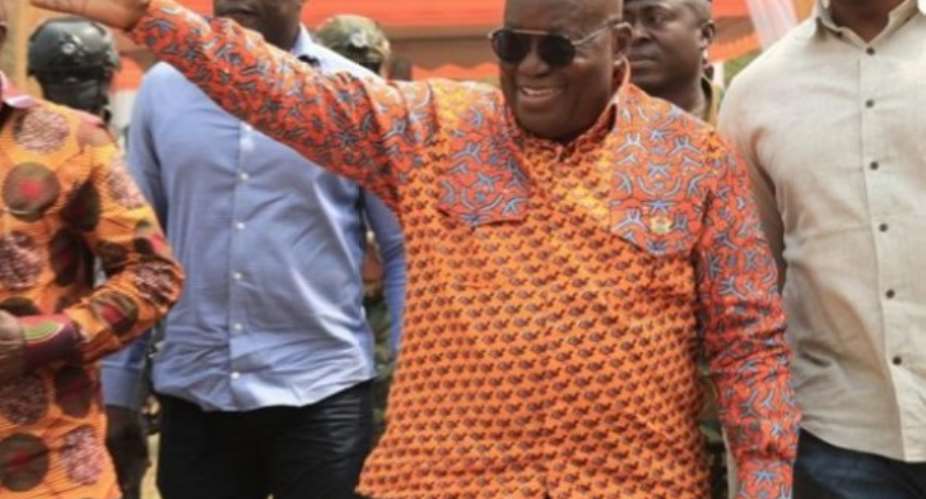
When President Akufo-Addo and Vice President Dr. Mahamudu Bawumia assumed office in 2017, they inherited a national debt of GH¢120 billion. The economy they inherited from the National Democratic Congress (NDC) under President John Mahama had laid a foundation of international trust, making Ghana an appealing destination for lenders. Also, inheriting a robust economy, the new administration had the opportunity to build on the strong foundation laid by the previous administration. However, the Akufo-Addo/Bawumia administration, riding on the wave of trust from international lenders went on a borrowing spree. This trust, was soon undermined by the very policies that the administration adopted-incessant borrowing, and fiscal mismanagement. By June 2024, the national debt had ballooned to a staggering GH¢742 billion, a nearly sixfold increase since 2017. This increase has raised serious concerns among economists, policymakers, and citizens alike.
Debt Accumulation and Mismanagement The rapid increase in Ghana’s national debt under the Akufo-Addo/Bawumia government represents one of the most significant economic mismanagement episodes in the country's history. The administration borrowed heavily from both domestic and international markets, but the returns on these borrowings have been questionable. Despite the enormous sums acquired, the administration's investments in infrastructure and other critical areas have failed to justify the size of the debt. Many observers point to the fact that much of the borrowed money was channeled into unproductive expenditures, such as bloated government spending including chartering private jet for presidential travels, and poorly executed projects. The lack of substantial economic infrastructure to show for the increased debt is a glaring testament to the inefficiency of the administration's financial strategy.
Debt Exchange Program: A Temporary Fix with Long-term Implications The debt exchange program implemented by the government was a reactionary measure aimed at managing the ballooning debt crisis. This measure only serves as a temporary bandage to a gaping economic wound. By restructuring Ghana’s debt, the government sought to extend repayment periods and reduce the fiscal pressure from maturing obligations. However, this program comes at a high cost. Domestic bondholders, including pensioners, were forced to accept significant losses on their investments, leading to widespread financial distress among ordinary citizens. The program also had a detrimental effect on investor confidence, both locally and internationally. Ghana's credit ratings have been downgraded by major credit rating agencies, making future borrowing more expensive and difficult. The erosion of trust in the financial system has left a lasting impact, complicating efforts to stabilize the economy and attract necessary foreign investments.
Debt Default and Rising Interest Rates One of the most concerning outcomes of the debt crisis is the rising interest burden associated with Ghana’s debt. The cost of servicing the debt has reached alarming levels, consuming a substantial portion of the country’s annual revenue. This leaves the government with limited fiscal space to fund essential services such as healthcare, education, and infrastructure development. Furthermore, the default on debt obligations has increased the cost of borrowing, making it more expensive for Ghana to finance future projects.
As interest rates continue to rise, the next government will be faced with the challenge of managing an ever-growing debt pile while trying to maintain some level of economic stability. This precarious situation will place Ghana on a path that requires extraordinary measures to avoid a deeper economic crisis.
Economic and Social Consequences The financial mismanagement under the Akufo-Addo/Bawumia administration has had far-reaching social and economic implications. High levels of public debt have constrained government spending on social services, exacerbating poverty and inequality. The government's inability to invest in critical sectors such as education and healthcare has left many Ghanaians feeling neglected and uncertain about the future. Additionally, the pressure on the economy has led to a weakened currency and rising inflation, further eroding the purchasing power of citizens. Businesses have struggled to cope with these economic challenges, leading to job losses and reduced economic activity. The lack of investor confidence has compounded the economic downturn, making recovery even more difficult.
A Call for Fiscal Responsibility and Accountability Ghana’s national debt crisis serves as a cautionary tale of the consequences of plunderous fiscal irresponsibility and the misuse of international trust. The Akufo-Addo/Bawumia government, despite inheriting a strong and stable economy, will leave behind a debt burden that will impede Ghana’s development trajectory for years to come. As the country looks forward to a new administration, it is imperative that stringent measures be implemented to curb wasteful spending, ensure transparency, and prioritize investments that yield long-term economic benefits. The road to economic recovery will not be easy, but with careful planning, accountability, and prudent fiscal management, Ghana can rebuild its broken economy and restore the trust of both its citizens and international partners.
Conclusion: A Legacy of Fiscal Irresponsibility The Akufo-Addo/Bawumia government will leave behind a legacy defined by escalating national debt and missed opportunities for economic development. The administration's financial mismanagement has placed Ghana in a vulnerable position, burdening future generations with a debt crisis that could take years to resolve. Moving forward, it is imperative for any new government to adopt a disciplined and transparent approach to fiscal management. Measures must be put in place to curb wasteful spending, enhance revenue generation, and ensure that borrowed funds are invested in projects that drive long-term economic growth. The lessons from this administration's financial missteps should serve as a cautionary tale and a rallying point for all stakeholders committed to restoring Ghana’s economic stability and prosperity.
Cletus Siebune
New York-USA
Bottom of Form


 ICC chief prosecutor Karim Khan dismissed over sexual misconduct allegations, so...
 'I shall continue to walk in late President Atta Mills' footsteps' — Mahama mark...
 Flood Mitigation Task Force begins demolition of structures on waterways in Accr...
 Refund GH¢60 deductions in two weeks — Service personnel to NASPA
 Parliament expected to adjourn sine die on July 31
 Police bust motorbike theft cartel, seven suspects arrested in Upper West
 GoldBod suspends Dominic Bonsu Ventures' gold trading licence, secures bench war...
 Being better than the last NPP gov't should never be the standard — Sulemana Bra...
 Migration challenges will not strain Ghana-South Africa relations — Ronald Lamol...
 'You had your priorities wrong' – NPP's Peter Ayinbisa rejects govt's new SHS fo...


Comments
The most useless president ever. The man was simply a the*ve. Wast of 8 years. Wher are the okoampa and badu,s- no more articles? f**ls