




Introduction
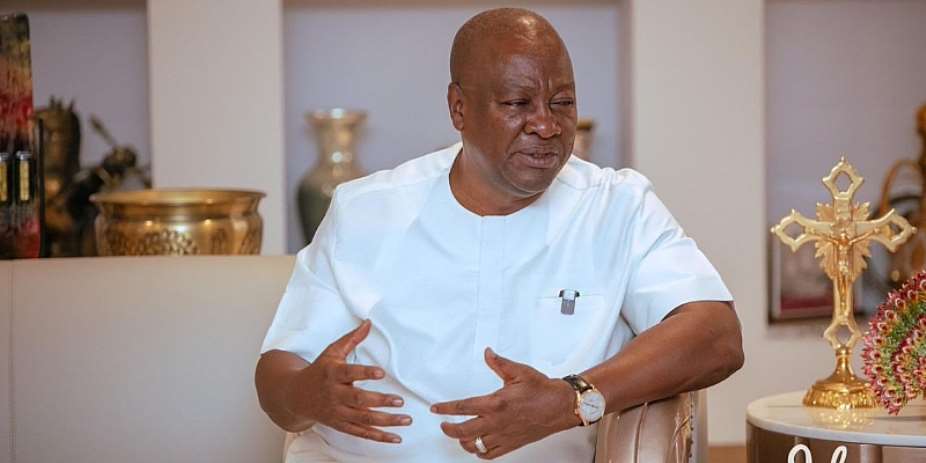
The 2024 general elections in Ghana marked a pivotal moment in the nation’s political history. Former President John Dramani Mahama and the National Democratic Congress (NDC) secured a significant victory, a development that has reignited hope for transformative governance while setting the stage for immense expectations. As Ghana continues to grapple with economic challenges, social disparities, and infrastructural deficits, this electoral triumph comes with an equally massive responsibility to deliver on promises and steer the nation toward progress.
The Significance of the 2024 Election Victory
John Mahama’s win represents a return to power for the NDC after eight years of opposition. This victory was largely driven by public dissatisfaction with the ruling New Patriotic Party (NPP) and its perceived inability to address pressing issues such as inflation, unemployment, and public debt (Adomako, 2023). The election also underscored the resilience of Ghana’s democratic institutions, with voters demonstrating their commitment to change through peaceful and competitive elections.
For Mahama, the win symbolizes a chance to redeem his political legacy, which faced criticism during his previous tenure for economic mismanagement and corruption allegations (Osei & Boateng, 2022). His campaign, which emphasized economic revitalization, job creation, and social equity, resonated strongly with a population eager for tangible improvements.
Economic Challenges Ahead
One of the foremost challenges facing the Mahama administration is Ghana’s struggling economy. The country’s debt-to-GDP ratio exceeded 80% in 2023, while inflation hovered at record highs, eroding purchasing power and increasing poverty levels (World Bank, 2023). Addressing these issues will require fiscal discipline, innovative policies, and robust engagement with international financial institutions.
Mahama has pledged to re-negotiate unfavorable loan agreements and prioritize investments in agriculture and manufacturing to boost productivity and create jobs (NDC Manifesto, 2023). However, translating these promises into action will demand transparent governance, stakeholder collaboration, and effective monitoring of implementation strategies.
Social Equity and National Development
Beyond economic recovery, the new administration faces the critical task of fostering social equity. Issues such as unequal access to education, healthcare disparities, and regional development imbalances have long plagued Ghana’s progress. Mahama’s proposed policies to provide free technical and vocational education and expand access to healthcare are steps in the right direction. Nevertheless, ensuring these initiatives reach marginalized communities will require addressing systemic bottlenecks such as corruption and inefficiency within public institutions (Asante, 2023). This makes any policy aimed at work ethics in the public sector crucial in this new administration.
Political Unity and National Cohesion
Another pressing responsibility for the NDC government is promoting political unity and national cohesion. The polarization of Ghana’s political landscape has often impeded bipartisan collaboration on critical national issues. Mahama has called for inclusive governance, promising to engage stakeholders across the political spectrum. Delivering on this promise will be crucial for maintaining social stability and ensuring the effective implementation of policies.
Moreover, Mahama’s administration will need to address youth concerns, particularly unemployment, which has been a major driver of social unrest. Programs that provide skills training and entrepreneurial support for young people could be instrumental in reducing frustrations and fostering national harmony. And this outcry seems to translate in the votes of the 2024 elections.
The Road Ahead: Accountability and Leadership
With victory comes the burden of accountability. Ghanaians will expect Mahama and the NDC to deliver on their promises and provide transparent governance. Key to achieving this will be empowering anti-corruption agencies, strengthening the judiciary, and fostering a culture of accountability within public service (Ofori, 2023).
As Ghana looks to the future, the success of the Mahama administration will depend on its ability to inspire confidence, deliver results, and engage meaningfully with citizens. The 2024 election may have been a win for the NDC, but sustaining that victory will require consistent and measurable progress in addressing the nation’s challenges. Of course Ghanaians look forward to soon see all the alleged broad day loots from the outgoing government appointees without which trust will be lost.
Conclusion
John Mahama’s return to power is a moment of renewed hope for many Ghanaians. However, it is also a time of great expectation. As he takes the reins, the responsibility to navigate Ghana through its socio-economic and political challenges rests squarely on his shoulders. Meeting these expectations will not only define his presidency but also shape the trajectory of Ghana’s future. We must all pray for him even as we expect more from Him. Long live Ghana and God bless our Home land Ghana.
By Rev. Paul Abudulai Yelinje
RME Tutor, Savannah College of Educatio, Daboya, Ghana.
References
Adomako, E. (2023). Analyzing Ghana’s Economic Challenges Under the NPP: Lessons for Future Governance. Accra: Political Review Press.
Asante, K. (2023). "Social Equity in Ghana: Policies and Challenges." Journal of African Development Studies, 15(4), 212-227.
NDC Manifesto. (2023). A People’s Manifesto: Policies for National Prosperity. Accra: National Democratic Congress.
Ofori, A. (2023). "The Role of Accountability in Ghana’s Governance." African Governance Quarterly, 10(3), 140-158.
Osei, R., & Boateng, S. (2022). The Political Legacy of John Mahama: A Critical Review. Kumasi: University of Ghana Press.
World Bank. (2023). Ghana Economic Update: Overcoming Fiscal Challenges. Washington, D.C.: World Bank Group.

 Allow the law to deal with defilement perpetrators - Director tells families
 Gov’t to develop policy for Ghanaian sign language in education
 Two Ada SHS students plead guilty to assault, slapped with 12-month bond
 Enlistment: GAF begins documentation, body selection from September 28
 Violent rainstorm rips off roofs, displaces residents in Krachi Nchumuru
 Ghana risks EU gas market access over methane emissions
 Tumu landlord gives road encroachers 2-week ultimatum to relocate for road const...
 Serbian President Aleksandar Vucic resigns
 Tigray TV station hit by drone, rebels advance in north Ethiopia
 Swiss reject plan to toughen neutrality



Comments
Wow 😲🤩 A beautiful piece I enjoyed it Thanks❤🌹🙏