




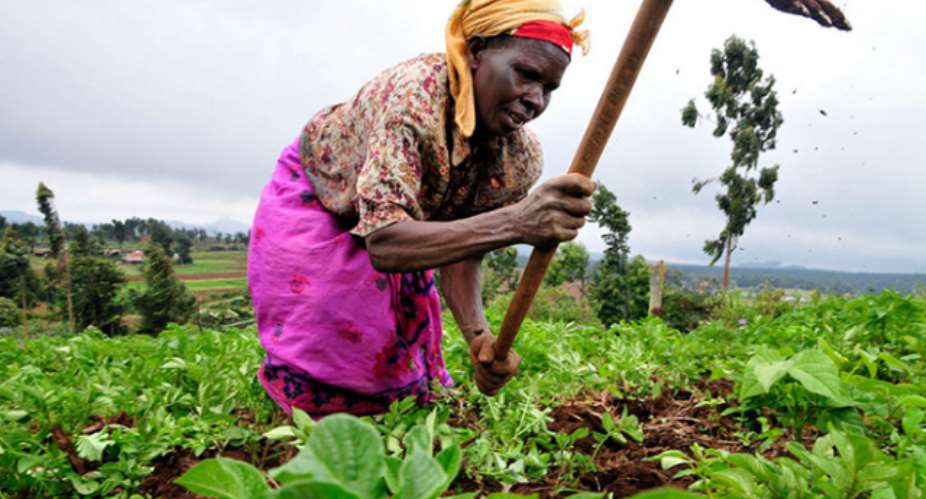
Ghanaian agriculture, while rich in potential and history, is currently grappling with a multitude of challenges that hinder its growth and productivity.
One of the most pressing issues is the reliance on traditional farming methods, which often result in low yields and inefficiencies. Many farmers still utilise outdated techniques, limiting their ability to compete in both local and international markets.
This stagnation is exacerbated by inadequate access to modern farming equipment and technology, leaving a significant portion of the agricultural workforce unable to harness the full capabilities of contemporary practices.
Additionally, climate change poses a significant threat to Ghana's agricultural output. Erratic weather patterns, prolonged droughts, and intense rainfall have disrupted planting and harvesting schedules, leading to crop failures and food insecurity.
Farmers, particularly smallholders, often lack the resources and knowledge to adapt to these changing conditions, further increasing their vulnerability.
Another challenge is access to markets. Many Ghanaian farmers face barriers in getting their products to consumers due to poor infrastructure, such as inadequate roads and storage facilities.
This not only limits their ability to sell fresh produce but also contributes to post-harvest losses that can reach alarming rates.
Furthermore, the fluctuating prices of agricultural commodities often leave farmers at the mercy of market forces, making it difficult for them to plan for the future and invest in their own growth.
Land tenure issues also complicate the agricultural landscape. Many farmers do not have secure rights to their land, which discourages long-term investments in sustainable practices and improvements.
Without clear ownership, the incentive to enhance productivity diminishes, leaving the agricultural sector in a cycle of underdevelopment.
Finally, the lack of sufficient financial support and access to credit remains a critical barrier for many farmers.
Without the ability to secure loans or grants, they struggle to invest in necessary inputs such as seeds, fertilizers, and equipment, stifling innovation and progress within the sector.
Addressing these challenges is imperative for revitalising Ghana's agriculture and enabling it to play a pivotal role in the country's overall economic transformation.
John Mahama's vision for modernised agriculture aims to tackle these issues head-on, fostering a sustainable and resilient agricultural framework that can meet the needs of Ghana's growing population and economy.
Anthony Obeng Afrane


 AI risks, Iran war to take center stage at UN
 ‘I had never heard of Eswatini’: Deported by the US to a country that rejects th...
 Transport fares increased 8% from September 26
 Golokuati residents call for operationalisation of abandoned ECG office
 Frank Danquah declared wanted over alleged narcotics offences
 Ghana TVET Service warns against collection of fees in TVET institutions
 16 arrested as National Security uncovers counterfeit currency printing syndicat...
 Work without fear or favour — Shamima Muslim urges broadcasters
 MFWA begins 5-day training for journalists from northern sector on media law and...
 Law student petitions CHRAJ over alleged military killing of Gbewaa Training Col...


