




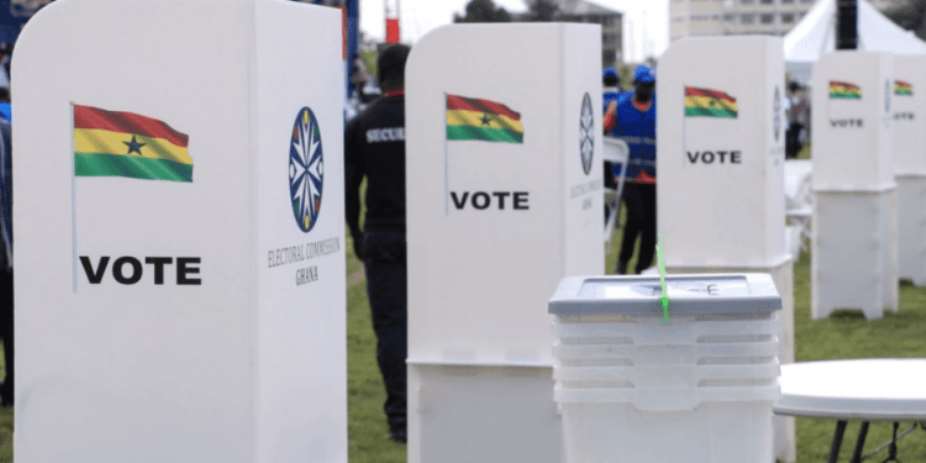
As Ghana prepares for its 2024 general elections in 6 days, the nation faces a crucial choice between immediate gains and sustainable development. The election promises to be pivotal, with its outcome shaping Ghana’s socio-economic trajectory for years to come. At the heart of the electoral debate lies a pressing question: should the nation prioritize short-term gratification or invest in a long-lasting, sustainable future? Whichever way one chooses to go, posterity stands as a judge they say. But even crucial is for the Ghanaian people to decide base on past, present and the future with their votes. This is especially between the performance of the two major political parties, the NDC and the NPP.
Background and Context
Since transitioning to a democratic system in 1992, Ghana has become a model of political stability in West Africa. Its elections have consistently reflected the people’s will, with peaceful transfers of power between major parties like the New Patriotic Party (NPP) and the National Democratic Congress (NDC) (Gyimah-Boadi, 2021). However, the 2024 elections come amid significant challenges, including economic downturns, youth unemployment, and a polarized political landscape.
The stakes are high as voters consider not only campaign promises but also the broader implications of their choices. This election presents an opportunity to address systemic issues such as corruption, economic inequality, and environmental degradation or to prioritize short-term solutions that might yield immediate but unsustainable benefits.
The Appeal of Short-Term Gratification
Short-term gratification in the electoral context often takes the form of populist promises, subsidies, and cash handouts designed to sway voters. Politicians frequently resort to such tactics, appealing to the immediate needs of citizens. While these measures may provide temporary relief, they rarely address underlying structural issues. For instance, Ghana’s recent economic struggles, exacerbated by global inflation and high debt levels, have created fertile ground for promises of quick fixes (African Development Bank, 2023).
Critics argue that focusing on short-term solutions risks perpetuating a cycle of dependency. According to Osei-Kyei and Abrokwah (2022), policies driven by immediate political gain often lack the necessary foresight to ensure sustainable development, leaving future governments to grapple with the consequences. And a mention of such in context could be said of a few in the past and present. And all of these should be considered by all before choosing the next leader of Ghana, in a few days to come.
The Case for a Long-Lasting Future
On the other hand, prioritizing long-term goals requires visionary leadership willing to make difficult choices. This approach emphasizes investing in education, healthcare, renewable energy, and technological innovation to create sustainable economic growth. For instance, Ghana’s burgeoning tech industry and agricultural reforms offer opportunities for job creation and economic resilience (World Bank, 2023).
Moreover, addressing climate change should be central to Ghana’s development agenda. The country’s vulnerability to climate impacts, such as flooding and drought, underscores the need for sustainable environmental policies. Leaders who advocate for green energy projects and sustainable urban planning are likely to secure a more stable future. But as to whether the keen contestants in this election have this and will do is another topic. But not to veer into empty debates, the Ghanaian people stand the chance to choose a leader who will stand by their decisions and choices in their efforts to steer the affairs of the country. Throughout history, nations that have made it have chosen leaders who takes responsibility and not excuses in dealing with crisis. And what political leaders should know is that, the presidency is not a secret or personal thing but a public trust. And as a result, when things go wrong, it bemoan on the leader to bring it on a drawing board as a matter of pragmatism to set modalities for resolving difficulties and not blame it away.
The Role of Citizens
The responsibility for determining Ghana’s path does not rest solely with political leaders. Voters must critically assess campaign promises and consider their long-term implications. Engaged and informed citizens can hold politicians accountable, ensuring that governance aligns with the nation’s developmental needs rather than short-term political gains (Gyampo, 2023). And this is where we as a people have often failed over and over. From the ordinary Ghanaian to the supplicated Ghanaian who sits at the gate of the supposed independent state institutions. We all owe it a duty to play our cards well in this very crucial election. We will either build out beloved country or break our beloved country. If we will look at the future over today, our children over ourselves, there can be no amount of incentive or threats from any political figure that should sway us from doing things right. We as citizens have a choice and for a fact we will a great power. But that power must be used with posterity in view, the choices we make especially in this year’s election must be sustainable and not immediate gratification. We will all do well to hold our integrity and pride ourselves in doing things right than allowing our conscience to be bought by politicians to the detriment of our tomorrow.
Conclusion
Ghana’s 2024 election represents a defining moment in the nation’s history. The choice between short-term gratification and a long-lasting future is not just a political dilemma but a moral imperative. By prioritizing sustainable development over immediate gains, Ghana can secure a prosperous future for its citizens. Ultimately, the decision lies in the hands of the electorate, a reminder of the power and responsibility inherent in democracy. This choice cannot be traded cheaply, at all if we do posterity will judge us and our children will ever live to curse us. We have a choice, short term gratifications or long term-lasting future for our nation. Wishing Ghana a peaceful informed election.
By Paul Abudulai Yelinje (Rev), RME Tutor SAVCOE, DABOYA [email protected]
References
African Development Bank. (2023). Ghana economic outlook 2023: Challenges and opportunities. Retrieved from https://www.afdb.org
Gyampo, R. E. V. (2023). Citizen participation and accountability in Ghanaian democracy. Journal of African Studies, 10(2), 45-63.
Gyimah-Boadi, E. (2021). Strengthening democratic resilience in Ghana: Lessons from four decades. African Affairs, 120(480), 205-222.
Osei-Kyei, R., & Abrokwah, M. (2022). Short-termism in Ghanaian politics: A case study of campaign promises. West African Political Review, 14(3), 78-95.
World Bank. (2023). Ghana: Economic and social development opportunities. Retrieved from https://www.worldbank.org


 Allow the law to deal with defilement perpetrators - Director tells families
 Gov’t to develop policy for Ghanaian sign language in education
 Two Ada SHS students plead guilty to assault, slapped with 12-month bond
 Enlistment: GAF begins documentation, body selection from September 28
 Violent rainstorm rips off roofs, displaces residents in Krachi Nchumuru
 Ghana risks EU gas market access over methane emissions
 Tumu landlord gives road encroachers 2-week ultimatum to relocate for road const...
 Serbian President Aleksandar Vucic resigns
 Tigray TV station hit by drone, rebels advance in north Ethiopia
 Swiss reject plan to toughen neutrality


