




Introduction
The increasing trend of eating out or ordering takeout has become a ubiquitous aspect of modern life, particularly in urban areas. This phenomenon has been linked to various health problems, including obesity, diabetes, and cardiovascular disease. As a result, it is essential to emphasize the importance of healthy eating habits, such as cooking at home, meal planning, and making informed choices when consuming away-from-home foods. By adopting these habits, individuals can reduce their risk of chronic diseases and maintain a healthy lifestyle.
Epidemiology and Nutritional Quality of Away-From-Home Food Consumption
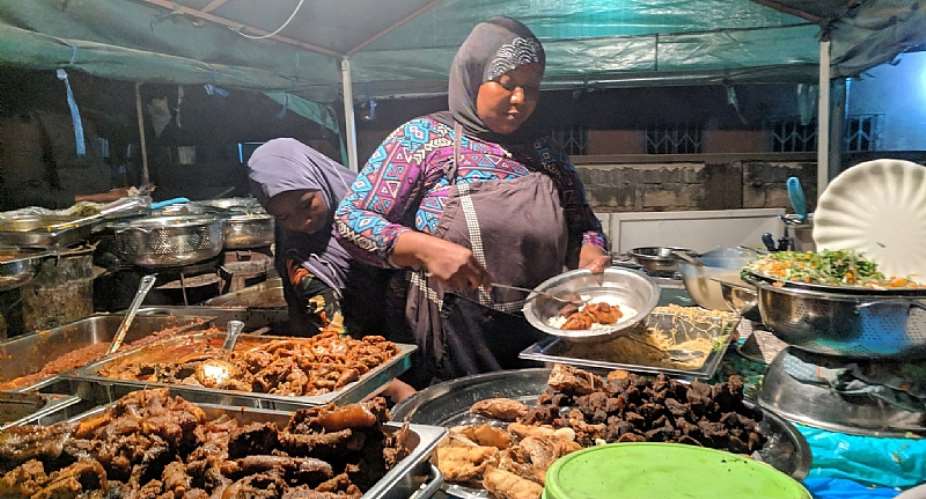
Away-from-home food consumption is a widespread phenomenon affecting people of all ages and backgrounds. Studies have consistently shown that a significant proportion of adults consume away-from-home foods regularly. For example, a study in Ghana found that 40.6% of adults consumed away-from-home foods at least once a day (Agyemang et al., 2016). Similarly, a study in the United States found that adults who consumed away-from-home foods more frequently had higher intakes of calories, fat, and sodium (Kant et al., 2015). The nutritional quality of away-from-home foods is often poor, characterized by high levels of calories, fat, salt, and sugar, and low levels of essential nutrients like fruits, vegetables, and whole grains (Kant et al., 2015; Lachat et al., 2018). Many away-from-home foods are also high in saturated and trans-fats, added sugars, and sodium (Ng et al., 2014). While some restaurants, such as those serving traditional or ethnic cuisine, may offer healthier options, fast food restaurants and convenience stores tend to offer foods high in calories, fat, and sodium.
Association between Away-From-Home Food Consumption and Obesity
Numerous studies have found a positive association between away-from-home food consumption and obesity. A meta-analysis published in the journal Obesity found that away-from-home food consumption was associated with a significant increase in body mass index (BMI) (Lachat et al., 2018). Similarly, a study conducted in Ghana found that frequent consumption of away-from-home foods was associated with a higher risk of obesity (Agyemang et al., 2016). The association between away-from-home food consumption and obesity can be attributed to several factors, including the high calorie and fat content of away-from-home foods, as well as the larger portion sizes often served.
Association between Away-From-Home Food Consumption and Diabetes
Research has also found a positive association between away-from-home food consumption and type 2 diabetes. A study published in the journal Diabetes Care found that away-from-home food consumption was associated with a significant increase in the risk of developing type 2 diabetes (Malik et al., 2010). The association between away-from-home food consumption and type 2 diabetes can be attributed to several factors, including the high levels of refined carbohydrates, added sugars, and saturated fats found in away-from-home foods. Additionally, frequent away-from-home food consumption may lead to a decrease in physical activity and an increase in sedentary behavior.
Association between Away-From-Home Food Consumption and Cardiovascular Disease
Studies have also found a positive association between away-from-home food consumption and cardiovascular disease. A meta-analysis published in the journal Circulation found that away-from-home food consumption was associated with a significant increase in the risk of cardiovascular disease (Lichtenstein et al., 2009). The association between away-from-home food consumption and cardiovascular disease can be attributed to several factors, including the high levels of saturated and trans-fats, added sugars, and sodium found in away-from-home foods.
Strategies for Healthy Away-From-Home Food Consumption
While away-from-home food consumption is often associated with unhealthy eating habits, there are strategies that can help individuals make healthier choices. Choosing restaurants that offer healthier options, opting for smaller portion sizes, and avoiding foods high in saturated and trans-fats, added sugars, and sodium can all help reduce the risk of chronic diseases. Additionally, individuals can consider choosing grilled or baked options instead of fried foods, selecting dishes high in fruits and vegetables, avoiding foods high in added sugars and refined carbohydrates, drinking water or low-calorie beverages instead of sugary drinks, and limiting the frequency of away-from-home food consumption. Individuals can control the ingredients and portion sizes of their meals by preparing meals at home. Policy makers and public health professionals can also play a crucial role in promoting healthier away-from-home food options. Implementing nutrition labeling and menu labeling regulations, providing incentives for restaurants to offer healthier options, supporting community-based initiatives to promote healthy eating, and developing and promoting public education campaigns to raise awareness about the importance of healthy eating are all potential strategies.
Conclusion
In conclusion, this review has established a significant association between away-from-home food consumption and an increased risk of obesity, diabetes, and cardiovascular disease. To mitigate these risks, individuals can adopt healthier eating habits by cooking at home, planning meals, and selecting healthier away-from-home food options. Also, policy makers and public health professionals can play a crucial role.
By reducing the frequency of away-from-home food consumption and promoting healthier eating habits may be effective strategies for preventing these chronic diseases.
By: Francis Appiah, Doctor of Naturopathic Medicine (N.D. Candidate), Medical Journalist, Integrative Health Expert, & Medical Laboratory Technologist
Email: [email protected]
References
Agyemang, C., Ogedegbe, G., & Aikins, A. D. (2016). Food choices and dietary habits among Ghanaian adults: A qualitative study. Journal of Food Science, 81(5), S1448-S1456.
Kant, A. K., & Graubard, B. I. (2015). Eating out in America: Frequency, patterns, and impact on dietary intake. Journal of the Academy of Nutrition and Dietetics, 115(3), 432-443.
Lachat, C., Nago, E., Verstraeten, R., Roberfroid, D., Van Camp, J., & Kolsteren, P. (2018). Eating out of home and its association with dietary intake: A systematic review of the evidence. Nutrients, 10(11), 1746.
Lichtenstein, A. H., Kennedy, E., Barrier, P., Danford, D., Ernst, N. D., Grundy, S. M. & Van Horn, L. (2009). Dietary carbohydrate, fiber, and sugar intake and risk of cardiovascular disease. American Journal of Clinical Nutrition, 90(3), 653-664.
Malik, V. S., Popkin, B. M., Bray, G. A., Després, J. P., & Hu, F. B. (2010). Sugar-sweetened beverages, obesity, type 2 diabetes, and cardiovascular disease risk. Circulation, 121(11), 1356-1364.
Ng, S. W., Slining, M. M., & Popkin, B. M. (2014). Turning point for US diets? Recessionary effects or behavioral shifts in foods purchased and consumed. American Journal of Clinical Nutrition, 100(3), 698-706.


 Ghana is not prepared for Mahama's third-term agenda — Ahiagbah
 Deputy Defence Minister calls for sustained clean-up beyond two-day exercise
 We'll demolish buildings obstructing drains after clean-up exercise — Greater Ac...
 Those pushing third-term suit are plotting your downfall — Sammi Awuku to Mahama
 GES closes Yendi school temporarily after armed men attack over commercial shed ...
 Ashanti Region: Police investigate Chief Inspector over alleged rental of wooden...
 Recycling is the solution to Ghana’s sanitation crisis — Local Government Minist...
 Biggest typhoon in decades nears Taiwan after landslides kill 15 in Philippines
 Man nearly sucked out of 'detached' window on Ryanair flight
 Post-clean-up exercise: Military, other services to continue dredging waterways ...

