




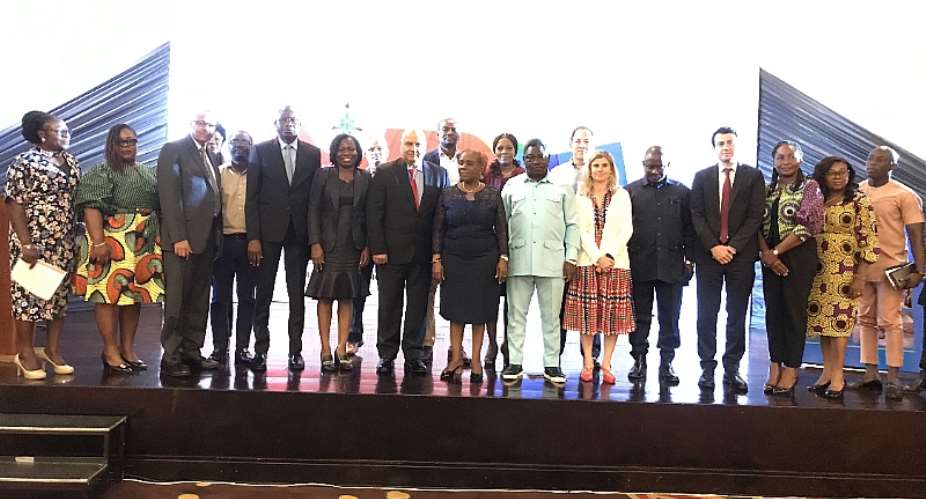
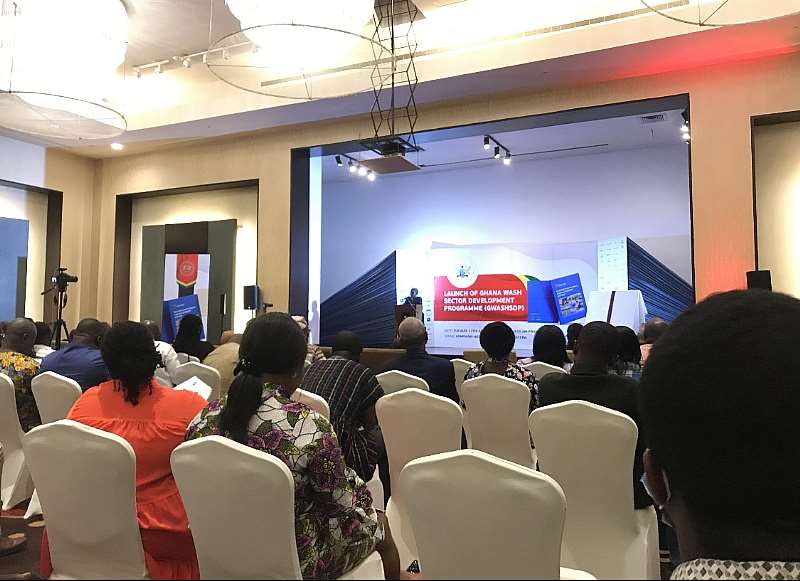
The Ministry of Sanitation and Water Resources, led by Cecilia Abena Dapaah, has launched the Ghana Water, Sanitation and Hygiene Sector Development Programme (GWASHSDP).
The event also saw the unveiling of a 168-page book which has the plan in detail on Tuesday, June 13, at the Kempinski Hotel in Accra.
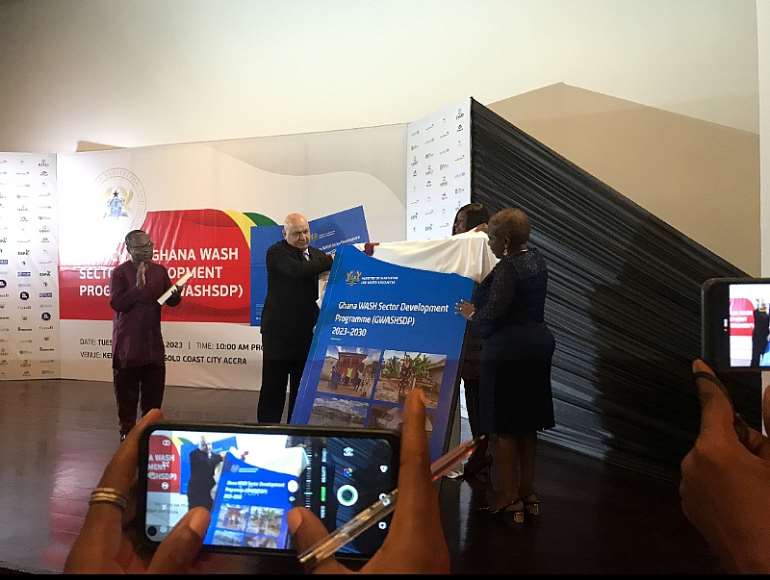
The ambitious 10-year plan aims to achieve universal basic Water, Sanitation and Hygiene (WASH) services in the country by 2030 and safely manage sanitation services by 2040.
The World Bank is funding the programme, which will be implemented through collaborations with the private sector.
The Minister expressed hope that the partnership will be sustained in future efforts, including planning, implementation, monitoring, and evaluation of the programme.
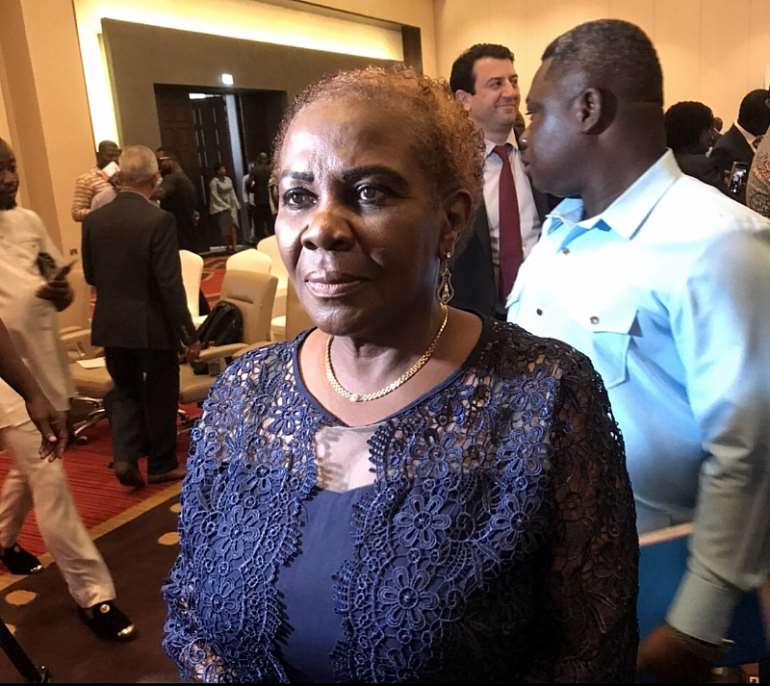
Delivering a keynote address at the launch, Mrs Abena Dapaah emphasized the importance of collective commitment and sustained actions from all stakeholders, including service providers, local government authorities, civil society organisations and development partners.
The Minister also urged everyone to contribute to making the programme's goals a reality.
“We hope this partnership and high level of participation from all actors will be sustained in all future endeavours including the planning, implementation, monitoring and evaluation of the Ghana Water Supply, Sanitation and Hygiene sector Development Programme,” said the minister in her keynote address.
She continued, “Our primary goal is to stop open defaecation and ensure basic sanitation service to all by 2030; and continu- ously work towards safely managed sanitation service by 2040. This vision requires collective commitment and sustained actions from all, especially, various service providers, local government authorities, government, civil society and development partners.”
The Sanitation Minister emphasized that with continued commitment and collaboration from all stakeholders, the country is well-positioned to achieve its ambitious goals and improve the quality of life for millions of Ghanaians.
The launch of the GWASHSDP, according to the lead actors, marks a significant milestone in Ghana's efforts to improve water, sanitation, and hygiene services for its citizens.
At the launch were various stakeholders and partners from both the public and private sectors.
The 168-page document in brief:
The GWASHSDP 2021-2030 provides a framework for inclusive sector planning, implementation, monitoring, evaluation, and reporting for sustainable and universal WASH services.
It seeks to address key sector challenges through strategic planning, institutional development, and system strengthening while encouraging wider stakeholder participation in the planning, implementation, monitoring, and reporting processes.
The programme has six key components, including water resources management and water supply, environmental sanitation, WASH in institutions, institutional development and sector strengthening, management and organization of the GWASHSDP, and the cost of the programme.
The estimated annual cost to achieve the targets is approximately US$1.7 billion.
The GWASHSDP aims to achieve national, regional (Africa), and global visions, goals, and targets for integrated water resources management and sustainable WASH services for everyone in Ghana by 2030.
This includes reducing man-made actions that affect the quantity and quality of surface and underground water resources and ensuring adequate and quality water resources for domestic, agricultural, industrial, and energy use.
To achieve the overall objectives and targets of the GWASHSDP, the leadership and coordination roles of the Ministry of Sanitation and Water Resources and other agencies must be strengthened.
The programme also emphasizes the need for behavioural changes relating to hygiene promotion, accountability, and transparency at all levels of programme management.

 South Africa xenophobia: Business allegedly declines after ownership shift from ...
 Kpone Traditional Council announces death of paramount chief after 37 years of r...
 Middle East live: Iran says will target any vessel traffic in Strait of Hormuz
 Bill Gates calls Epstein meetings a ‘grave error’ while defending actions in hou...
 Infantino defends World Cup ticket prices, dismisses referee US entry dispute
 Rainstorms from Nigeria, Benin to trigger thunderstorms in Ghana — GMet warns
 Accra floods: 70 seized excavators to be deployed to NADMO for desilting — Munta...
 Kasseh Market executives stop sale of food near toilet facility
 Three arrested over theft of critical equipment at Komenda Sugar Factory
 Nearly half of Ghanaians say military rule can be justified if governments fail ...


