




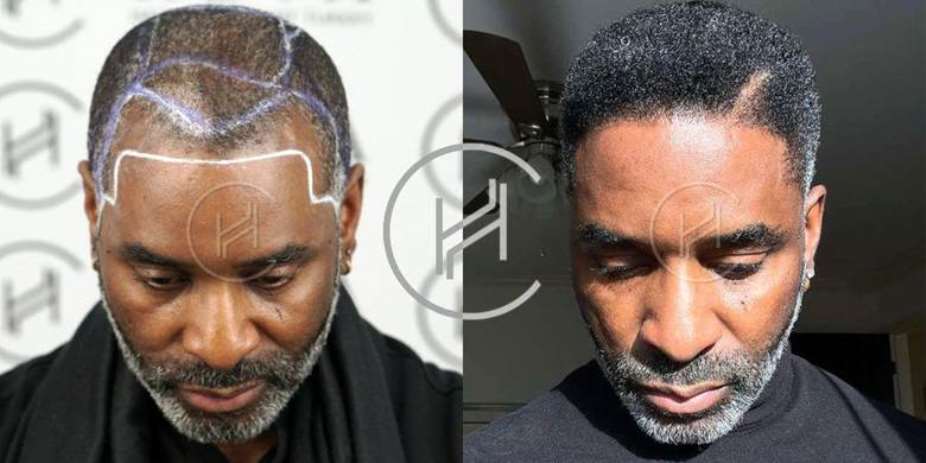
Hair loss can significantly impact one’s self-confidence, which is why hair transplants have become a popular option for those looking to restore their natural hair.
While hair transplantation has evolved over time to cater to diverse hair types, there are important differences in performing procedures on people with Afro-textured hair compared to traditional hair transplants. These differences arise from the distinct characteristics of Afro-textured hair, the challenges in extracting hair follicles, and the specific considerations for achieving natural-looking results.
In this article, we will explore the differences between traditional hair transplants and Afro hair transplants, discussing everything from the techniques used to the unique challenges that each procedure poses.
Understanding the Basics of Traditional Hair Transplantation
Hair transplantation is a surgical procedure in which hair follicles are removed from a donor area (typically the back of the head) and implanted into the bald or thinning areas of the scalp. The goal is to move healthy hair follicles to areas of hair thinning or baldness, creating a fuller, natural-looking hairline.
There are two main methods used in traditional hair transplants:
- FUT (Follicular Unit Transplantation): This technique involves removing a strip of skin from the donor area and dissecting it into smaller follicular units before transplanting them into the recipient site.
- FUE (Follicular Unit Extraction): In this method, the hair follicles are directly extracted from the donor area and later transplanted to the thinning or bald recipient area.
While these techniques are common across different hair types, certain considerations must be taken into account when performing transplants on Afro-textured hair due to its unique structure. [1]
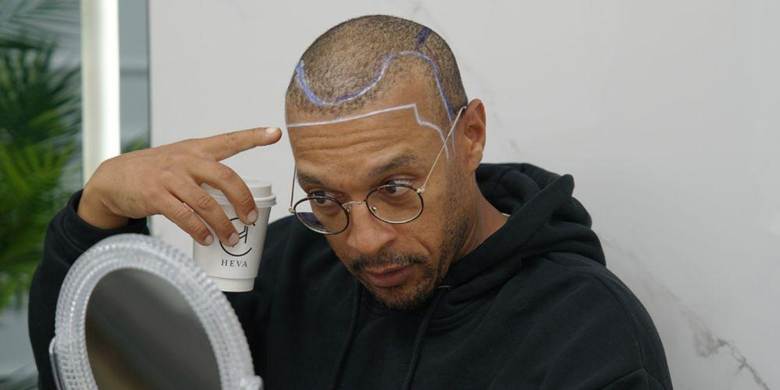
How Is Afro Hair Transplant Different from Traditional Hair Transplant?
Here are some key differences between traditional hair transplants and Afro hair transplants:
Hair Follicle Structure
Afro-textured hair has tightly coiled curls and grows in an elliptical shape beneath the skin. This coiled follicular structure makes the extraction and transplantation of Afro hair more challenging than straight or wavy hair seen in traditional hair transplants.
The curvature of Afro follicles makes it harder to extract without causing damage. Hence, specialized tools and techniques are required to remove the follicles intact, preserving their ability to grow healthy hair post-transplant. [2]
Density and Volume
Afro-textured hair often has fewer follicles per square centimeter than straight or wavy hair, but its thickness and volume give the appearance of more density.
This means that surgeons must adjust their approach to ensure that the transplanted hair looks as full as possible, while using fewer grafts compared to traditional hair transplants.
On the other hand, traditional hair, especially straight hair, tends to lay flatter against the scalp and may require a higher number of grafts to achieve a full, natural appearance.
Technique and Expertise
Due to the unique challenges of Afro hair, surgeons must have specialized expertise in handling curly follicles.
The Follicular Unit Extraction method is commonly used for Afro hair transplants, but it requires extra care to prevent follicle damage. Surgeons must pay attention to the angle and direction of the hair, as Afro hair can grow in unpredictable patterns.
Traditional hair transplants, especially with straight hair, typically involve the same FUE or Follicular Unit Transplantation techniques but without the added complexity of curl patterns and follicle angles.
Potential Complications
Afro-textured hair has a higher risk of complications, such as keloid scarring (raised scar tissue) and ingrown hairs, due to its coiled nature. Hence, special care must be taken to reduce the risk of scarring and inflammation during the transplant.
Traditional hair transplants usually have fewer complications related to scarring and ingrown hairs, especially for those with straight hair.
Post-Transplant Recovery
Aftercare for an Afro hair transplant often requires more attention to prevent issues like ingrown hairs, which can occur if the hair curls back into the skin as it grows. So, post-transplant care typically includes special grooming or customized hair care routines to maintain the integrity of the transplanted follicles.
In traditional hair transplants, recovery is generally more straightforward, with less risk of ingrown hairs or other complications related to hair texture.
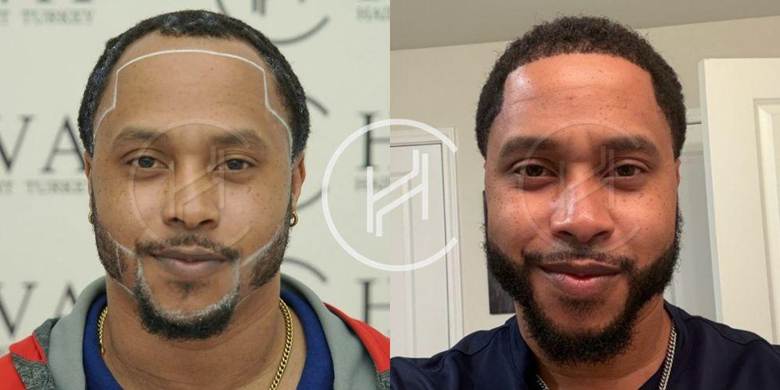
Why Afro-Textured Hair Transplant Requires Special Approach?
Afro-textured hair transplants require a specialized approach due to the unique structural and biological characteristics of Afro-textured hair. These features make the procedure more complex than traditional hair transplants for straighter hair types.
Here’s a summary of some key reasons why Afro hair transplants demand special care:
- The complex, coiled shape of Afro hair makes the extraction of healthy follicles more difficult during procedures like Follicular Unit Extraction or Follicular Unit Transplantation.
- Since the follicles of Afro hair are curved, extracting them intact without damaging the root can be difficult, requiring high skill and specialized tools. Damaging the follicles during extraction may result in poor graft survival and suboptimal hair growth.
Hence, surgeons need to be more careful while extracting the follicle to avoid causing any harm to the tissue surrounding the root. [3]
- People with Afro-textured hair are more prone to developing keloids. This can be a significant challenge in hair transplant procedures because it increases the risk of visible scars. Hence, surgeons must take extra precautions to minimize the risk of keloid formation, often opting for FUE to reduce scarring.
- The increased melanin content in Afro-textured skin may contribute to a higher risk of hyperpigmentation and scarring. An expert hair care surgeon can suggest personalized strategies to patients to avoid these risks.
- Surgeons need to be highly mindful of the angles and depths at which they implant each follicle to ensure natural, outward hair growth to reduce the risk of ingrown hairs post-transplant.
- Afro-textured hair typically has fewer follicles per square centimeter than straight hair. So, surgeons need to implant fewer grafts while still achieving a full, natural look. Understanding this balance is crucial for successful results.
- The FUE method for extracting individual follicles often needs to be used with specialized tools and techniques to extract the curled hair follicles safely and effectively. Techniques like Sapphire FUE and DHI (Direct Hair Implantation) are sometimes needed to minimize trauma and ensure a more natural hairline.
- Post-operative care for Afro-textured hair transplants is another critical consideration.
For example, Afro-textured hair has a different pattern of oil distribution, making it prone to dryness. Surgeons often advise specific moisturizing and healing routines to prevent traction alopecia and ensure proper graft survival.
How to Find an Afro-Specialized Hair Transplant Clinic
Finding the right clinic for an Afro hair transplant is essentially important. You may need to research clinics with proven experience in handling curly and coiled hair follicles, as this requires specialized skills and techniques. Surgeons should be proficient in methods like FUE and DHI, which are particularly suited for Afro hair transplants, and their results should be consistent and mentioned by third parties.
One reputable option that many people choose in Turkey is Heva Clinic in Istanbul. Known for their long-term expertise in Afro-textured hair, Heva Clinic employs advanced tools and techniques to safely extract and implant coiled follicles while minimizing the risk of follicle damage and scarring. Their successful Afro hair transplant results are shared by thousands of people on third-party platforms, making them a reliable candidate.
References:
- https://www.ncbi.nlm.nih.gov/pmc/articles/PMC10521773/
- https://www.ncbi.nlm.nih.gov/pmc/articles/PMC5055031/
- https://pubmed.ncbi.nlm.nih.gov/27757365/

 Africa will be mostly self-sufficient in fuel by 2030: Dangote to AFP
 PRETAG threatens to intensify strike over unpaid teacher entitlements
 Lands Minister exits GoldBod Board as Minister's Chief Director takes over
 Court refuses bail for six accused in 3.9-tonne cocaine shipment case
 Philippines to open first-ever embassy in Ghana
 1992 Constitution review: Prof. Atsu Ayee and Dr Osae-Kwapong explain why Consti...
 Bawumia calls for paradigm shift in Ghana’s healthcare policies after meeting GM...
 POWA calls for end to gendered attacks on Lordina Mahama and Samira Bawumia
 This is the best time to develop Volta Region — James Gunu
 DRIP road works stall in Bekwai over fuel shortage as MP intervenes with GH¢30,0...


