




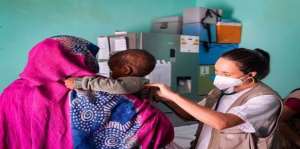
Diphtheria is a deadly but preventable bacterial disease spreading in parts of Nigeria, killing many young lives. As schools reopen, parents and communities must act quickly to stop more infections and deaths.
What makes diphtheria occur?
Diphtheria is caused by toxin-producing strains of the bacterium Corynebacterium diphtheriae. These bacteria usually infect the nose and throat where they release a powerful toxin that can cause damage to tissues and organs if not treated early.
How is it transmitted?
From person to person through respiratory droplets when an infected person coughs or sneezes or talks closely with others. By direct contact with infected skin lesions (cutaneous diphtheria). Less commonly, through contact with contaminated objects that have secretions from an infected person. People who are asymptomatic can still spread the disease.
Signs to watch for
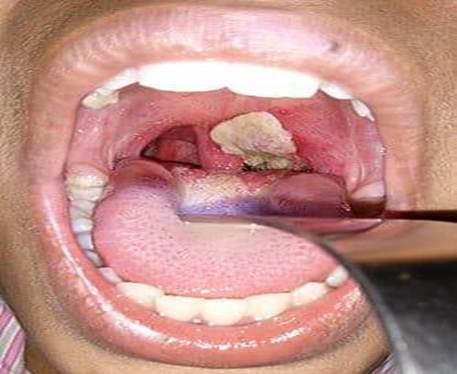
Diphtheria can start like an ordinary sore throat, but it can become dangerous very quickly. Watch out for signs such as fever and sore throat, unusual weakness or tiredness, swelling of the neck (sometimes called a “bull neck”), difficulty swallowing or breathing, and a thick grey or white coating in the throat, tonsils, or nose. This disease produces a toxin that can damage the heart, affect the nerves, cause breathing failure, and even lead to death if treatment is delayed. Seek medical attention immediately if any of these symptoms appear.
Outbreak in Nigeria: Why it matters now
Nigeria is experiencing a serious diphtheria outbreak, with thousands of cases confirmed and hundreds of deaths reported in 2025–2026. In 2025, many states had over 15,000 confirmed cases and 872 deaths. In 2026 so far (early September), Nigeria alone has reported over 10,000 confirmed cases and hundreds of deaths including many children. Some states like Kano, Zamfara, Plateau, Gombe, Yobe and others have recorded clusters of cases and deaths in children, resulting in suspension or delay in resumption of schools in affected areas. Experts say these outbreaks are mainly due to gaps in routine childhood immunization and low immunization coverage in some communities.
What parents and guardians need to do as schools have reopened
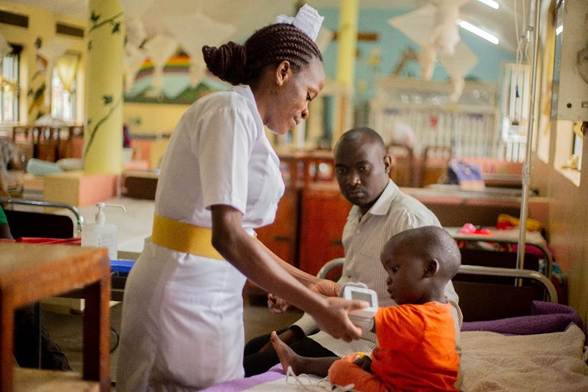
Vaccination is the best way to protect your child from diphtheria. Make sure your child has received all the required vaccine doses. If any dose was missed, take your child to the nearest health centre for a catch-up vaccination. Keep your child’s vaccination card safe and take it along to school and clinic visits.
Also, keep sick children at home and seek medical care early if they have a sore throat, fever, or difficulty breathing. Teach children to cover their mouth and nose when coughing or sneezing and to wash their hands regularly with soap and water. Avoid sharing cups, bottles, utensils, or towels, especially with someone who is sick.
What the public can do
Be informed about common symptoms and understand why vaccination is important. Encourage your family, friends, and neighbours to vaccinate their children, because strong community protection depends on many people being
vaccinated. If you notice several people, especially children, having sore throats, breathing difficulties, or sudden deaths, report it quickly to local health workers. Also, support early isolation and treatment of suspected cases and cooperate fully with contact tracing to help stop the spread.
Treatment and prognosis
Diphtheria can be treated, but it is a serious medical emergency. Treatment includes giving antitoxin to fight the toxin, antibiotics to kill the bacteria, isolating the patient to
stop the spread, and providing care for breathing and heart problems. Starting treatment early greatly improves the chances of survival and full recovery.
A call to action
This outbreak is not unavoidable. It is happening because many people are not vaccinated and treatment is delayed. Everyone has a role to play including parents, teachers, community leaders, and health workers. Vaccinate your children now. Act quickly when you notice symptoms. Work together as a community to protect every child from this serious but preventable disease.

 Ahafo Ano South West MP involved in road accident
 Constitutional Review alone will not solve Ghana’s problems – Kwesi Pratt Jnr.
 East Legon Football Academy applauds NPA Boss for supporting youth football
 Gov't didn't show NPP enough respect in constitutional review process – Martin K...
 September 18: Cedi sells at GHS12.15 on forex market, GHS11.53 on BoG interbank
 Lawyer challenges two-week remand of Salomey over connection to wanted 'Ghana Jo...
 Minority calls for NSA boss Ampofo Ankrah, others to be dismissed over alleged 2...
 ‘You gave us GH¢60,000 to run 66 offices nationwide and expect us to function?’ ...
 Russia seizes assets of Swiss food giant Nestle and three French firms
 Russia votes in parliamentary election as war in Ukraine drags on



Comments
Impressive work