




The Stakes for 2028
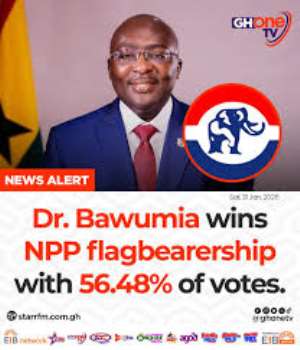
As Dr. Mahamudu Bawumia assumes the NPP’s 2028 presidential candidacy, Zongo electoral areas are emerging as critical battlegrounds. These communities, previously considered NDC strongholds, are densely populated, politically active, and strategically embedded in swing constituencies across Greater Accra, Ashanti, Western, Central, and Northern regions. Performance in these areas could directly determine election outcomes and influence a candidate’s long-term political future, making Zongo support essential for any serious contender.
Why Identity Alone Isn’t Enough
While Bawumia’s Northern Muslim identity resonates symbolically, recent trends show that identity alone is insufficient to secure votes. Voters increasingly judge candidates by tangible benefits and service delivery, rather than symbolic or historical affiliation. Political engagement must now respond to contemporary social and economic needs, or risk losing ground.
Economic Realities Driving Zongo Votes
Voters in Zongo communities now focus heavily on practical issues that affect their daily lives. These include:
- Rising food prices: Households are highly sensitive to inflation in essential goods such as rice, maize, oil, and other staples. Frequent price increases directly affect family budgets, making candidates who promise economic relief or subsidies more appealing.
- High transport costs: Many residents rely on public transport for commuting to work, school, and trading activities. Rising fares or unreliable services add financial strain and inconvenience, so policies that address affordable, reliable transport can influence political choices.
- Housing challenges: Access to safe and affordable housing is limited in many Zongo communities. Overcrowding, poor infrastructure, and rising rent levels make housing a top priority. Candidates offering concrete housing solutions, such as affordable housing schemes or housing support, gain voter attention.
- Informal sector vulnerabilities: A significant proportion of Zongo residents depend on small-scale businesses, petty trading, or self-employment in the informal sector. Lack of capital, market access, or business support threatens livelihoods. Candidates proposing micro-credit programs, market infrastructure, or business training are likely to earn voter confidence.
- Youth unemployment: Many young people in Zongo areas face high levels of unemployment and underemployment. This affects social stability, economic mobility, and family security. Candidates who promise skills development, internships, and job-creation programs are seen as offering hope for the next generation.
- Access to healthcare and education: While often less highlighted in political campaigns, affordable healthcare and access to quality schooling remain essential concerns for families. Politicians who deliver or propose practical improvements in these sectors are more likely to gain trust and votes.
- Cost of living and economic relief programs: Beyond basic staples and transport, residents are sensitive to the overall economic climate, including electricity, water, and fuel prices. Policy proposals that reduce daily expenses or improve access to subsidies resonate strongly with voters.
Implications for Bawumia and the NPP
The stakes are high for Bawumia:
- Performance in Zongo areas will influence national margins. Poor results could weaken his claim to a broad national appeal.
- Repeated underperformance may affect the 2032 NPP flagbearership. Political parties often respond to electoral setbacks in key constituencies with calls for leadership renewal.
- Strategic engagement is critical. The NPP must prioritise policies and initiatives that deliver visible economic and social benefits in these communities.
Implications for the NDC
Historical dominance in Zongo areas is no longer guaranteed:
- Younger voters are more fluid and issue-driven. They make choices based on candidates’ ability to address daily challenges rather than inherited loyalty.
- Community leaders are open to competing narratives. Traditional influence is no longer absolute; leaders weigh performance and tangible benefits when advising constituents.
- Support is increasingly conditional. Electoral loyalty now depends on practical outcomes, such as economic relief, jobs, housing, and social services.
Conclusion
Zongo electoral areas are no longer peripheral territories; they are renewed battlegrounds where performance matters more than historical or symbolic appeal. For Bawumia and the NPP, actively engaging these communities is essential to electoral success. For the NDC, historical dominance is no longer sufficient. Whoever successfully mobilises support in Zongo areas may well determine the 2028 election and shape Ghana’s political future.
Dawda Mohammed Kakale,
Journalist/Writer-Takoradi

 Govt to distribute first batch of 129 vehicles to MMDCEs in 12 regions
 UG Vice-Chancellor calls for oral exams, project-based assessment to deal with A...
 'I will use everything I have to clear my name' – Obuasi SHTS headmaster fights ...
 NPA to strengthen ties with UMaT to drive downstream petroleum sector
 'Report school abuse directly to Education Ministry' – Deputy Minister tells stu...
 'It's a curse on you' – Water Minister badmouths 'malware' workers sabotaging Gh...
 Tap water no longer drinkable near South Africa capital
 96 health facilities under construction in Ashanti Region
 GoldBod reforms create 4,866 direct jobs in less than two years — Sammy Gyamfi


