




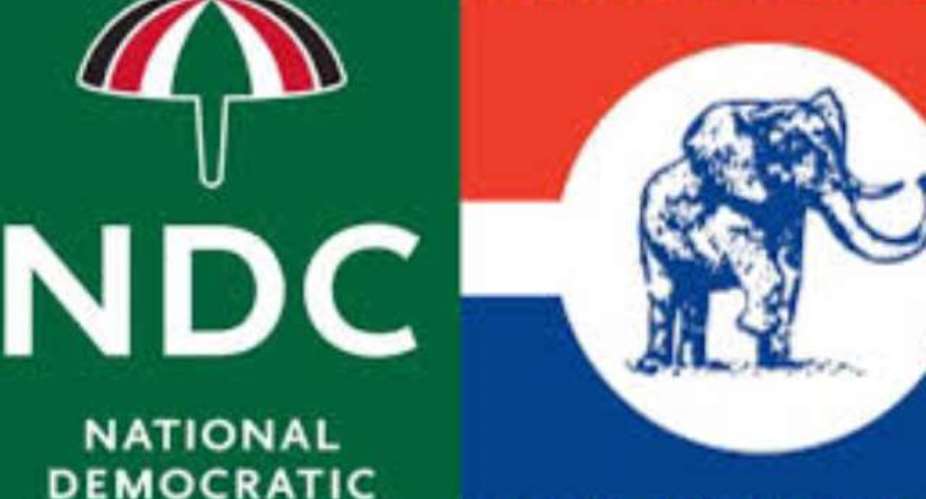
Historical Roots of Zongo Support for the NDC
For decades, Ghana’s Zongo communities were considered loyal supporters of the National Democratic Congress (NDC), largely because of historical grievances. A key factor was the Aliens Compliance Order of 1969, issued by the Progress Party government of Prime Minister Dr. Kofi Abrefa Busia. This policy required non-Ghanaians without valid residence permits to regularise their status or leave the country, leading to the forced departure of thousands of migrants who had been integral to Zongo settlements. Over time, the policy became a symbol of exclusion, reinforcing long-term political loyalty to the NDC, which positioned itself as the protector of minority and migrant communities.
Voting Driven by Memory
For decades, voting behaviour in Zongo communities was influenced more by memory and inherited loyalty than by policy performance. The NDC capitalised on historical grievance, while the NPP’s ideological forebears were associated with exclusionary policies. Community narratives, local leadership, and intergenerational memory reinforced the perception that supporting the NDC safeguarded residents from marginalisation.
The Shift to Pragmatism
This dynamic is gradually changing. Younger Zongo voters—many of whom were not alive during the Busia regime are increasingly focused on immediate social and economic realities. The key factors influencing their political decisions include:
- Employment opportunities: Stable income sources are vital to households. Candidates proposing tangible job creation initiatives are more likely to gain support.
- Cost of living: Rising prices of food, transport, and basic commodities make economic relief a priority in voter decision-making.
- Housing and accommodation: Access to affordable and secure housing is a pressing need that affects family stability and daily life.
- Access to micro-credit and financial support: Small business owners rely on these facilities to sustain and grow their enterprises.
- Education and healthcare: Quality access to schooling and medical services remains a decisive factor for families.
- Business opportunities in the informal sector: Many Zongo residents work in informal trading; support for this sector strongly influences political preference.
These factors have begun to outweigh historical loyalty. Voters now expect candidates to demonstrate practical solutions that improve daily life, rather than relying solely on symbolic representation or historical allegiance.
Implications for Political Parties
The shift in voter behaviour has important implications:
- For the NDC: Emotional loyalty is no longer sufficient; continued support must be earned through visible performance and policy delivery.
- For the NPP: The fading power of historical grievance presents a strategic opening. However, success requires active engagement and delivery of tangible social and economic benefits.
Conclusion
Zongo politics is moving from memory-driven voting to performance-based pragmatism, reflecting residents’ immediate concerns and needs. Political actors must recognise that historical grievances alone no longer guarantee electoral loyalty. Communities now demand results that improve their present-day lives, signalling the rise of a pragmatic, issue-driven electorate.
Dawda Mohammed Kakale
Journalist/Writer-Takoradi

 Govt to distribute first batch of 129 vehicles to MMDCEs in 12 regions
 UG Vice-Chancellor calls for oral exams, project-based assessment to deal with A...
 'I will use everything I have to clear my name' – Obuasi SHTS headmaster fights ...
 NPA to strengthen ties with UMaT to drive downstream petroleum sector
 'Report school abuse directly to Education Ministry' – Deputy Minister tells stu...
 'It's a curse on you' – Water Minister badmouths 'malware' workers sabotaging Gh...
 Tap water no longer drinkable near South Africa capital
 96 health facilities under construction in Ashanti Region
 GoldBod reforms create 4,866 direct jobs in less than two years — Sammy Gyamfi


