





Controversial media personality Chinedu Ani Emmanuel, popularly known as Nedu Wazobia, has claimed that Abuja is the headquarters of the sugar mummy industry.
He made the statement during a conversation with content creator Ludahydrate, describing the industry as one of the biggest in Nigeria.
Ludahydrate, in response, attributed the rise of the sugar mummy industry in Abuja to Northern politicians and political appointees. He explained that many Northern men have multiple wives and often settle divorced wives with estates or businesses. These women, now financially independent and with children, may prefer not to remarry and instead opt for sugar boys.
Nedu Wazobia said:
"The Sugar Mummy industry is one of the biggest industries in Nigeria. The headquarters as far as I am concerned is here in Abuja."
Ludahydrate said:
"Why is a lot in Abuja is because Northern men are here and they have more wives.
"You will see one minister wey get like nine wives. Inside that nine e fit just divorce three when he divorce that three now, maybe e fit just give one an estate and give another one a supermarket as settlement.
"Imagine a woman wey get a supermarket and maybe she get another water company.
"She has kids but doesn't have any man in her life. That kind of woman might not want to get married again.
"She will prefer to just have a Sugar Boy."

 Mysterious illness leaves children struggling to walk, hear in Mafi Kope
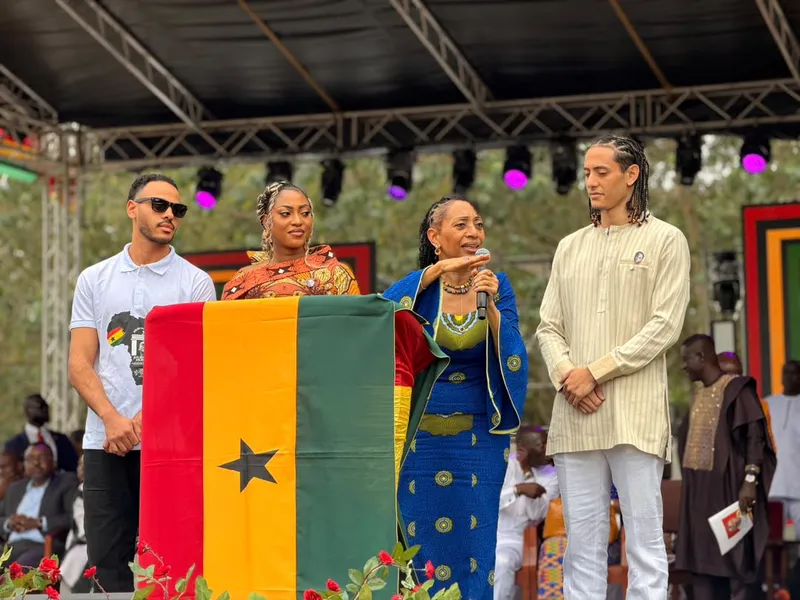 ‘We’ve come back to make sure our father's ideas never die’ – Nkrumah family
 Ghana Jollof: Akosua Manu appeals to Naana Jane to use her influence to free Sal...
 Yellow fever confirmed in Sissala East after 21 mysterious deaths
 Kenyasi man allegedly attacked by prison officers and inmates over yam theft cla...
 Germany’s far-right AfD makes strong gains in two state elections
 Savannah Regional Minister, IGP Yohuno visit Gbindabuor following lynching of po...
 Jehovah's Witnesses make blood component decisions a matter of personal conscien...
 Road contractors fed on contracts for years without completing projects – Alhass...
 Ghana Jollof saga: ‘She has no right to do what she’s doing’ – Inusah Fuseini


