




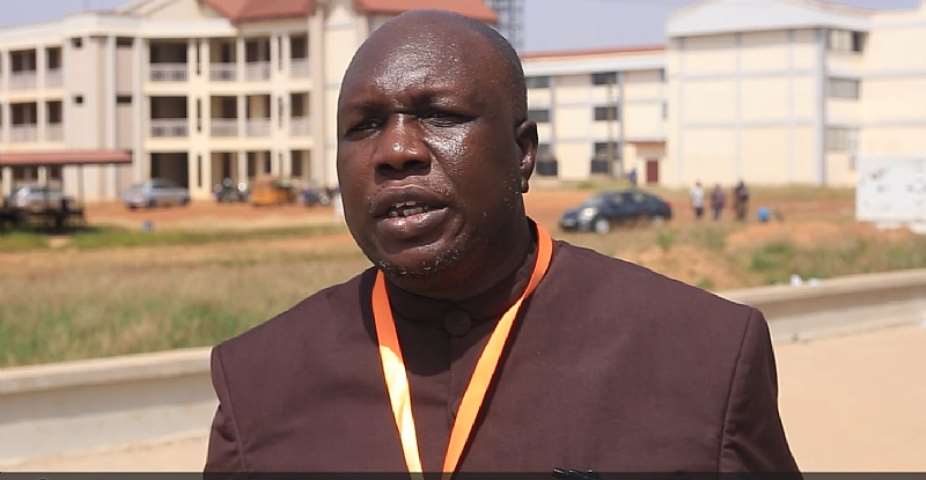
A mental health specialist has raised concerns over Ghana's widening mental healthcare crisis, revealing that although an estimated 2.3 million Ghanaians are living with mental health conditions, only about two per cent have access to the care they need.
Dr Adjei Sarpong Kingsley, Acting Director of the Guidance and Counselling Unit at Tamale Technical University, described the situation as alarming and called for urgent national efforts to improve mental health awareness, access to care and support systems.
Speaking at the Annual General Meeting of the National Association of Certified Counsellors, Dr Kingsley cited figures he attributed to the World Health Organisation (WHO), indicating that the country's mental health treatment gap stands at approximately 98 per cent.
“Considering the dilemma of mental health globally, in Ghana it is worse. We have 98 per cent of statistics given by the World Health Organisation in 2025, and they have also reported that about 2.3 million Ghanaians have mental health challenges. If only two per cent will get the care, then we are in a pandemic situation there,” he said.
Mental Health Care in Ghana Requires Multi-Sector Collaboration
Dr Kingsley stressed that addressing the country's mental health challenges cannot be left solely to psychiatrists and clinicians, arguing that a holistic approach involving multiple professionals is essential for effective treatment and recovery.
“The psychiatrist or the clinician alone cannot do the job. It will take every one of us involved because after the medical delivery, there are other social interventions that we need to push in order to holistically reintegrate the individual or the people back into society,” he explained.
According to him, paramedics, counsellors, social workers and other support professionals all have critical roles to play in helping individuals recover and successfully reintegrate into their communities.
Experts Call for Improved Access to Mental Health Services
Dr Kingsley said the association's annual conference served as an important platform to raise awareness about mental health and advocate for expanded access to care across the country.
He emphasized the need for stronger collaboration among healthcare professionals, policymakers and community stakeholders to address the growing burden of mental health conditions and close the treatment gap.
The remarks come amid increasing calls for greater investment in mental healthcare services, public education and support systems to ensure that more Ghanaians living with mental health conditions can access timely and appropriate care.

 28 Krachi East assembly members file vote of no confidence to remove MCE
 Lawyer challenges Haruna Iddrisu's two-year BECE ban at Accra High Court
 Oti Region NADMO staff raise concerns over alleged selective payment of salary a...
 Mahama announces plans to open Ghana embassy in Barbados in 2027
 Customers' deposits have not been compromised — BoG allays fears after banks cyb...
 BoG reduces mobile money and bank transaction limits amid rising cyber attacks
 Ghana Armed Forces recruitment stampede victim Sandra Baafi Boateng dies
 Ghana, Côte d'Ivoire to Construct 57 New Boundary Pillars Along Shared Border
 GRDA Rejects Sovereign Guarantees for Private Railway Investors
 Over 3,500 Ghanaians Petition Vice President Over Alleged Sexual Abuse in School...


