




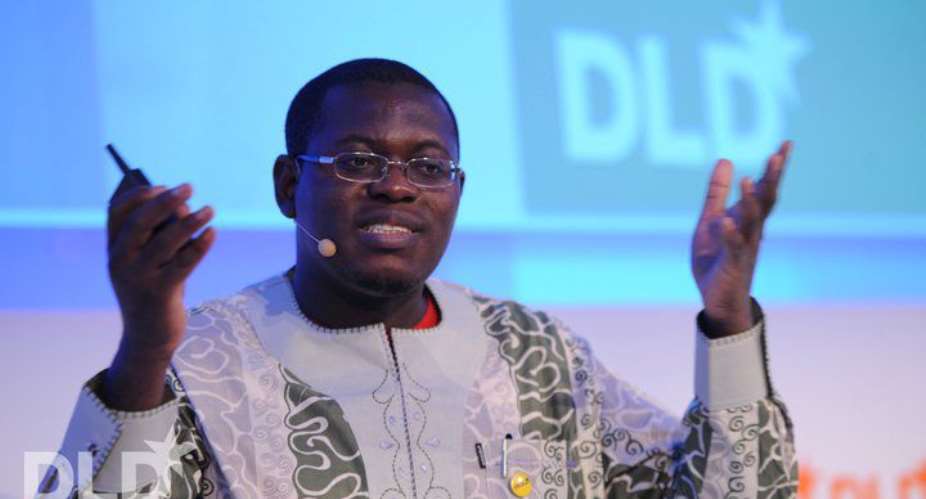
Honorary Vice-President of IMANI Africa, Bright Simons, has raised concerns about the implementation of Ghana's automated traffic enforcement system, TraffiTech-GH, questioning its revenue-sharing arrangement, transparency and potential impact on road safety.
TraffiTech-GH is an automated traffic law enforcement programme operated by the Ghana Police Service through the Motor Traffic and Transport Department (MTTD).
The system uses fixed and mobile cameras, radar technology, sensors and handheld devices to detect traffic violations, including speeding and running red lights.
Evidence captured is reviewed before Electronic Notices of Violation (ENVs) are sent to the registered owners of offending vehicles.
The system officially commenced full implementation on November 1, after the Police Service postponed its initial October 1 rollout to allow for further public education.
Reacting to this, Simons argued that although the use of technology to enforce traffic regulations was a necessary step towards reducing road crashes, the implementation of the system requires greater scrutiny to ensure that public safety was not overshadowed by commercial interests.
Speaking on Accra-based JoyNews' Newsfile programme on Saturday, November 7, Simons said the government must provide adequate information about the agreement with the private companies involved in the project and explain how the arrangement would protect the public interest.
"The problem, though, is that the private sector doesn't go into these things with public interest in their mind; they're going to make money. So you always have to balance the public interest and the private profit motive extremely delicately," he said.
Simons questioned the decision to allow the private sector partners to receive a share of revenue generated from traffic fines, arguing that the arrangement could create an incentive to prioritise revenue generation over changing motorists' behaviour.
He said the current arrangement provides for the private partners to receive 40 per cent of revenue from fines, while the government takes the remaining 60 per cent.
He called on the government to make the relevant contractual details public, including the investment obligations of the private partners, the placement of enforcement cameras and responsibility for providing road signs and other supporting infrastructure.
The policy advisor also questioned the adequacy of road signage and markings, arguing that the government should have addressed these infrastructure requirements before introducing the enforcement system.
"If you don't have strong controls, the cameras may be adjusted purely to raise revenue. That also creates a situation where the motorist behaviour doesn't change because it becomes as if it doesn't matter what you do; you still get fined anyway," he cautioned.


 November 7: Cedi sells at GHS12.25 on forex market, GHS11.65 on BoG interbank
 'It is not fair for the police to review their own decisions' – Bright Simons on...
 Bright Simons questions TraffiTech-GH revenue model, demands transparency in con...
 Akufo-Addo's former counsel Kow Essuman eyes Ablekuma West parliamentary seat
 Moscow strikes Kyiv as Ukraine prepares for talks with Russia and the US
 Ousted Paraguay president under house arrest after bank collapse
 Trump announces immigration hardliner Stephen Miller as new chief of staff
 Pope Leo arrives in Uruguay for first stop on 12-day South America tour
 No proxy voting, strict 7am to 5pm schedule – NDC outlines measures for Northern...
 Efya marries Nigerian singer Tomi Thomas in traditional ceremony


