




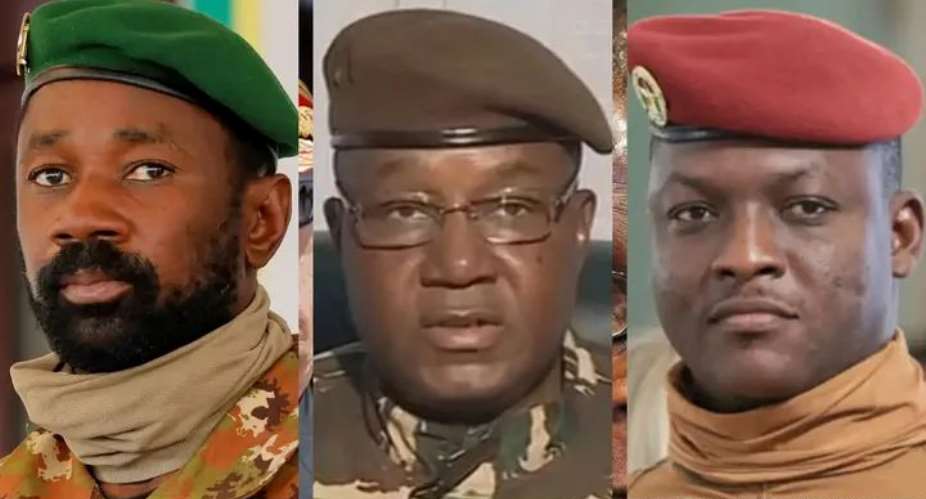
On Saturday, 17 October, ECOWAS and the Alliance of Sahel States (AES) sat down in Dakar for the first formal ministerial dialogue since the split. They agreed to set up joint thematic working groups to prepare a framework cooperation agreement. ECOWAS was led by Senegal's Foreign Minister Cheikh Niang, and the AES by Burkina Faso's Foreign Minister Karamoko Jean-Marie Traoré.
What was agreed, and what was not
The talks do not signal a return to membership, because the three Sahelian states maintain that their exit is irreversible. One report says the working groups will discuss 18 priority areas, including trade, cross-border security and the movement of people and goods.
The details are thin, however. The groups will develop a Cooperation Framework Agreement for ministers to consider. No date or venue has been set for the next meeting. The communiqué lists no themes, members or deadline, and no draft text has been seen.
Why both sides need a deal
Ordinary people are the main reason. ECOWAS has kept recognizing community passports for nationals of the three countries, along with visa-free movement and preferential treatment of their goods, as transitional measures. Geography explains the rest. Analysts note that coastal states provide the main maritime gateways for Burkina Faso, Mali and Niger, and that violent extremism has continued to push south into the coastal states.
The way forward (analysis)
Four priorities stand out to me.
Lock in free movement and trade first. Interim concessions should become written, reciprocal rules. This matters most for traders and border communities, including Zongo and Hausa-speaking networks linking Ghana, Nigeria and the Sahel. It also means resolving the AES tariff question, since the AES announced tariffs on imports from non-members that include coastal ECOWAS countries such as Nigeria.
Build a security channel that does not require political agreement. One analysis suggests offers of security cooperation from individual coastal neighbours, or ECOWAS itself, could provide reassurance and generate goodwill. Intelligence sharing, border coordination and counter-financing of terrorism are the obvious starting points.
Keep the process realistic. Both sides should avoid reopening the question of return. The Joy News report notes that ECOWAS has moved from forcing the AES back to finding practical ways to coexist.
Set deadlines and publish them. Without a timetable, working groups risk becoming a holding pattern while insecurity spreads.
The obstacles
The politics remain difficult. One analysis argues that jihadist violence has increased since the military regimes took power. AES leaders, for their part, argue that ECOWAS failed to adequately support the fight against the insurgency.
Some ECOWAS-aligned voices also tie long-term unity to the ballot box, a point the AES juntas are unlikely to accept. Dakar did not settle these disagreements. It created a place to manage them.
The test of the process will be whether the working groups deliver something citizens can see: open borders, working trade corridors and shared intelligence.
Mustapha Bature Sallama
Medical/Science communicator, Private Investigator, Criminal Investigation and Intelligence Analysis,United States Institute of Peace (USIP), [email protected] +233555275880
Sources: BusinessDay, ThisDay/allAfrica, MyJoyOnline, ModernGhana, Benin Web TV, WAVN, Rio Times, Chatham House, Foreign Policy, Georgetown Journal of Security Studies. The "way forward" section is analysis, not reporting.


 'There is no support’ – Prisons DG explains why ex-inmates are likely to return
 ECG announces nationwide meter audit to combat electricity theft
 Afenyo-Markin, NEIP CEO Eric Adjei settle defamation suit out of court over exto...
 GIS recovers GH¢124,552 in excess salary arrears paid to 23 officers
 Minerals Commission denies Alfred Mahama’s role in Narawa Licence revocation
 No more ‘No Bed’ excuse as Health Minister unveils real-time bed monitoring syst...
 NAGRAT alleges 38 Obuasi teachers targeted for transfers for speaking out agains...
 Immigration Service gives two officers November 7 deadline to refund GH¢57,006 u...
 'Every tonne of waste we dump is a job we bury' — Dr Siaw Agyepong
 GES directs Ashanti regional, Obuasi East educational directors to step aside ov...


