




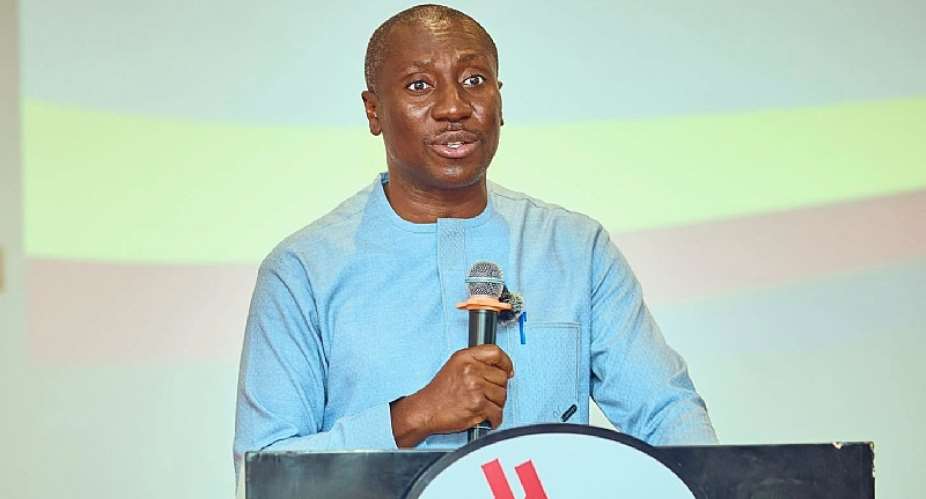
On 15 September 2026, I received a letter, referenced MD/GEN/2026/V.2/090, from Mr Kwame Kpekpena, Managing Director of the Electricity Company of Ghana (ECG), inviting me to a luncheon organised in honour of the Company’s former Managing Directors and Board Chairpersons.
The invitation acknowledged my service as a former Board Chairman and my contribution to the Company’s growth and development. It also provided an opportunity to share insights and perspectives that could contribute to ECG’s continued progress and long-term sustainability.
Accordingly, on Wednesday, 23 September 2026, I attended the luncheon at the Accra Marriott Hotel, where I offered the following reflections on the challenges confronting ECG, the progress made in addressing them, and the reforms necessary to secure its future.
I was appointed Board Chairman of ECG in July 2024 and served from 29 September 2024 to 6 January 2025. Although my tenure was relatively brief, it afforded me valuable insight into the considerable operational, financial and institutional pressures confronting the Company, as well as the dedication of the men and women entrusted with its responsibilities.
My experience reinforced a conviction I have consistently maintained: 𝗘𝗖𝗚’𝘀 𝗱𝗶𝗳𝗳𝗶𝗰𝘂𝗹𝘁𝗶𝗲𝘀 𝗮𝗿𝗲 𝗳𝘂𝗻𝗱𝗮𝗺𝗲𝗻𝘁𝗮𝗹𝗹𝘆 𝘀𝘁𝗿𝘂𝗰𝘁𝘂𝗿𝗮𝗹 𝗮𝗻𝗱 𝘀𝘆𝘀𝘁𝗲𝗺𝗶𝗰. 𝗧𝗵𝗲𝘆 𝗰𝗮𝗻𝗻𝗼𝘁 𝗯𝗲 𝘀𝘂𝘀𝘁𝗮𝗶𝗻𝗮𝗯𝗹𝘆 𝗿𝗲𝘀𝗼𝗹𝘃𝗲𝗱 𝘁𝗵𝗿𝗼𝘂𝗴𝗵 𝗽𝗮𝗿𝘁𝗶𝘀𝗮𝗻 𝗿𝗲𝗰𝗿𝗶𝗺𝗶𝗻𝗮𝘁𝗶𝗼𝗻𝘀, 𝗽𝗲𝗿𝗶𝗼𝗱𝗶𝗰 𝗳𝗶𝗻𝗮𝗻𝗰𝗶𝗮𝗹 𝗶𝗻𝘁𝗲𝗿𝘃𝗲𝗻𝘁𝗶𝗼𝗻𝘀 𝗼𝗿 𝘁𝗵𝗲 𝗿𝗲𝗽𝗲𝗮𝘁𝗲𝗱 𝘁𝗿𝗮𝗻𝘀𝗳𝗲𝗿 𝗼𝗳 𝗶𝗻𝘀𝘁𝗶𝘁𝘂𝘁𝗶𝗼𝗻𝗮𝗹 𝗶𝗻𝗲𝗳𝗳𝗶𝗰𝗶𝗲𝗻𝗰𝗶𝗲𝘀 𝘁𝗼 𝗲𝗹𝗲𝗰𝘁𝗿𝗶𝗰𝗶𝘁𝘆 𝗰𝗼𝗻𝘀𝘂𝗺𝗲𝗿𝘀.
What is required is an honest national conversation, informed by evidence and guided by a shared commitment to comprehensive structural reform.
This was the position I articulated on behalf of the Minority before the Public Utilities Regulatory Commission (PURC) during its Multi-Year Tariff Review in November 2025. It remains the position I brought to this engagement.
The fundamental policy question is straightforward but consequential:
Between April 2025 and September 2026, successive electricity tariff adjustments, including both increases and reductions, produced a cumulative increase of approximately 𝟮𝟴.𝟳 𝗽𝗲𝗿 𝗰𝗲𝗻𝘁, calculated from the published average regulatory adjustments.
Although the actual impact varies across customer categories and consumption bands, the broader implications for households and businesses are undeniable.
For families contending with the cost of living and enterprises striving to remain competitive, electricity pricing is not simply a regulatory matter. It directly affects household welfare, production costs, employment and economic opportunity.
Tariff adjustments may have a legitimate place in a properly regulated electricity market. They cannot, however, become a substitute for prudent financial management, effective revenue collection, operational discipline and institutional accountability.
𝗧𝗵𝗲 𝗚𝗵𝗮𝗻𝗮𝗶𝗮𝗻 𝗰𝗼𝗻𝘀𝘂𝗺𝗲𝗿 𝗺𝘂𝘀𝘁 𝗻𝗼𝘁 𝗯𝗲𝗰𝗼𝗺𝗲 𝘁𝗵𝗲 𝗽𝗲𝗿𝗺𝗮𝗻𝗲𝗻𝘁 𝗳𝗶𝗻𝗮𝗻𝗰𝗶𝗲𝗿 𝗼𝗳 𝗶𝗻𝗲𝗳𝗳𝗶𝗰𝗶𝗲𝗻𝗰𝗶𝗲𝘀 𝘁𝗵𝗮𝘁 𝘁𝗵𝗲 𝗲𝗹𝗲𝗰𝘁𝗿𝗶𝗰𝗶𝘁𝘆 𝘀𝗲𝗰𝘁𝗼𝗿 𝗵𝗮𝘀 𝗳𝗮𝗶𝗹𝗲𝗱 𝘁𝗼 𝗰𝗼𝗻𝗳𝗿𝗼𝗻𝘁.
The Loss Reduction Programme, introduced in 2023 under the Akufo-Addo-Bawumia Government, was designed to address persistent operational and commercial inefficiencies, including faulty metering, outdated billing systems, illegal electricity connections and associated revenue losses.
It remains an important component of ECG’s broader financial recovery strategy.
The Company’s financial and operational results for 2025, presented at its Annual General Meeting in July 2026, reveal encouraging developments:
• 𝗥𝗲𝘃𝗲𝗻𝘂𝗲 𝗶𝗻𝗰𝗿𝗲𝗮𝘀𝗲𝗱 𝗳𝗿𝗼𝗺 𝗮𝗽𝗽𝗿𝗼𝘅𝗶𝗺𝗮𝘁𝗲𝗹𝘆 𝗚𝗛¢𝟭𝟵.𝟬𝟯 𝗯𝗶𝗹𝗹𝗶𝗼𝗻 𝗶𝗻 𝟮𝟬𝟮𝟰 𝘁𝗼 𝗚𝗛¢𝟮𝟮.𝟭𝟭 𝗯𝗶𝗹𝗹𝗶𝗼𝗻 𝗶𝗻 𝟮𝟬𝟮𝟱, representing growth of 16.2 per cent.
• 𝗧𝗵𝗲 𝗿𝗲𝗽𝗼𝗿𝘁𝗲𝗱 𝗹𝗼𝘀𝘀 𝗮𝗳𝘁𝗲𝗿 𝘁𝗮𝘅 𝗱𝗲𝗰𝗹𝗶𝗻𝗲𝗱 𝗳𝗿𝗼𝗺 𝗮𝗽𝗽𝗿𝗼𝘅𝗶𝗺𝗮𝘁𝗲𝗹𝘆 𝗚𝗛¢𝟴.𝟮𝟲 𝗯𝗶𝗹𝗹𝗶𝗼𝗻 𝘁𝗼 𝗚𝗛¢𝟮.𝟱𝟮 𝗯𝗶𝗹𝗹𝗶𝗼𝗻, an improvement of about 69.5 per cent.
• 𝗡𝗲𝘄 𝗲𝗹𝗲𝗰𝘁𝗿𝗶𝗰𝗶𝘁𝘆 𝗰𝗼𝗻𝗻𝗲𝗰𝘁𝗶𝗼𝗻𝘀 𝗶𝗻𝗰𝗿𝗲𝗮𝘀𝗲𝗱 𝗯𝘆 𝟯𝟭.𝟯 𝗽𝗲𝗿 𝗰𝗲𝗻𝘁 𝘁𝗼 𝟮𝟮𝟮,𝟵𝟳𝟵, reflecting continued expansion of customer access.
• 𝗣𝗿𝗲𝗽𝗮𝗶𝗱 𝗰𝘂𝘀𝘁𝗼𝗺𝗲𝗿𝘀 𝗮𝗰𝗰𝗼𝘂𝗻𝘁𝗲𝗱 𝗳𝗼𝗿 𝗮𝗽𝗽𝗿𝗼𝘅𝗶𝗺𝗮𝘁𝗲𝗹𝘆 𝟱𝟯.𝟱 𝗽𝗲𝗿 𝗰𝗲𝗻𝘁 𝗼𝗳 𝘁𝗵𝗲 𝗰𝘂𝘀𝘁𝗼𝗺𝗲𝗿 𝗯𝗮𝘀𝗲, indicating progress in the adoption of prepaid metering.
These developments are welcome. They demonstrate the importance of sustained attention to ECG’s financial and operational performance.
However, a proper assessment of the Company’s financial position requires us to look beyond the headline figures.
The substantial reduction in ECG’s reported loss after tax was materially supported by foreign exchange gains of approximately 𝗚𝗛¢𝟭𝟮.𝟭𝟲 𝗯𝗶𝗹𝗹𝗶𝗼𝗻, arising from the appreciation of the Ghana cedi against foreign-currency-denominated obligations.
This accounting benefit, while significant, must not be confused with an equivalent improvement in electricity sales, cash collections or underlying operational efficiency.
Indeed, ECG’s electricity purchase costs reached approximately 𝗚𝗛¢𝟯𝟰.𝟴 𝗯𝗶𝗹𝗹𝗶𝗼𝗻 𝗶𝗻 𝟮𝟬𝟮𝟱, substantially exceeding its reported revenue of GH¢22.11 billion.
The Company consequently recorded a gross loss of approximately GH¢12.7 billion, underscoring the continuing imbalance between its revenue and the cost of electricity supplied.
Equally instructive is the movement in system losses.
Reported system losses declined only marginally, from 𝟮𝟳.𝟬𝟱 𝗽𝗲𝗿 𝗰𝗲𝗻𝘁 𝗶𝗻 𝟮𝟬𝟮𝟰 𝘁𝗼 𝟮𝟲.𝟴𝟴 𝗽𝗲𝗿 𝗰𝗲𝗻𝘁 𝗶𝗻 𝟮𝟬𝟮𝟱, an improvement of just 0.17 percentage points.
This contrast is significant.
While ECG’s reported financial results improved considerably, the underlying challenge of electricity losses remained largely unresolved.
It would therefore be premature to conclude that the Company has achieved a sustainable financial turnaround.
𝗧𝗵𝗲 𝘁𝗿𝘂𝗲 𝘁𝗲𝘀𝘁 𝗼𝗳 𝗿𝗲𝗳𝗼𝗿𝗺 𝗶𝘀 𝗻𝗼𝘁 𝘀𝗶𝗺𝗽𝗹𝘆 𝘄𝗵𝗲𝘁𝗵𝗲𝗿 𝗮𝗰𝗰𝗼𝘂𝗻𝘁𝗶𝗻𝗴 𝗹𝗼𝘀𝘀𝗲𝘀 𝗱𝗲𝗰𝗹𝗶𝗻𝗲, 𝗯𝘂𝘁 𝘄𝗵𝗲𝘁𝗵𝗲𝗿 𝗘𝗖𝗚 𝗰𝗼𝗻𝘀𝗶𝘀𝘁𝗲𝗻𝘁𝗹𝘆 𝗿𝗲𝗱𝘂𝗰𝗲𝘀 𝘀𝘆𝘀𝘁𝗲𝗺 𝗹𝗼𝘀𝘀𝗲𝘀, 𝗶𝗺𝗽𝗿𝗼𝘃𝗲𝘀 𝗿𝗲𝘃𝗲𝗻𝘂𝗲 𝗰𝗼𝗹𝗹𝗲𝗰𝘁𝗶𝗼𝗻, 𝗰𝗼𝗻𝘁𝗿𝗼𝗹𝘀 𝗲𝘅𝗽𝗲𝗻𝗱𝗶𝘁𝘂𝗿𝗲 𝗮𝗻𝗱 𝗴𝗲𝗻𝗲𝗿𝗮𝘁𝗲𝘀 𝘀𝘂𝗳𝗳𝗶𝗰𝗶𝗲𝗻𝘁 𝗰𝗮𝘀𝗵 𝘁𝗼 𝗺𝗲𝗲𝘁 𝗶𝘁𝘀 𝗼𝗯𝗹𝗶𝗴𝗮𝘁𝗶𝗼𝗻𝘀.
The progress recorded must be acknowledged, but the work of structural reform is far from complete.
Notwithstanding the progress made, ECG’s financial recovery remains vulnerable to persistent technical and commercial losses.
These losses constitute one of the most consequential threats to the Company’s sustainability and must be addressed decisively before additional financial burdens are contemplated for consumers.
Metering deficiencies provide a particularly instructive example.
ECG reported a customer base of approximately 𝟱.𝟴𝟱 𝗺𝗶𝗹𝗹𝗶𝗼𝗻 𝗮𝘁 𝘁𝗵𝗲 𝗲𝗻𝗱 𝗼𝗳 𝟮𝟬𝟮𝟱.
If even 5 per cent of these accounts were affected by faulty meters, approximately 𝟮𝟵𝟯,𝟬𝟬𝟬 𝗰𝘂𝘀𝘁𝗼𝗺𝗲𝗿 𝗮𝗰𝗰𝗼𝘂𝗻𝘁𝘀 could potentially be exposed to inaccurate consumption measurement or billing.
This is an illustrative scenario, not a claim that 5 per cent of ECG’s meters have been established to be defective. Nevertheless, it demonstrates the considerable scale of the financial exposure that weaknesses in metering and billing systems can create.
The problem extends beyond defective meters.
Delayed billing, inaccurate customer records, unbilled consumption, illegal connections, weak collection systems and inadequate reconciliation procedures can collectively undermine ECG’s ability to recover revenue for electricity supplied.
The strategic priority must therefore be to ensure that electricity distributed is accurately measured, properly billed and paid for.
Achieving this requires coordinated interventions in four critical areas:
1. 𝗥𝗲𝘃𝗲𝗻𝘂𝗲 𝗰𝗼𝗹𝗹𝗲𝗰𝘁𝗶𝗼𝗻 𝗮𝗻𝗱 𝗿𝗲𝗰𝗼𝗻𝗰𝗶𝗹𝗶𝗮𝘁𝗶𝗼𝗻: Strengthening collection controls, eliminating reconciliation gaps and integrating payment channels to improve transparency, accuracy and accountability.
2. 𝗙𝗶𝗲𝗹𝗱 𝗲𝗻𝗳𝗼𝗿𝗰𝗲𝗺𝗲𝗻𝘁 𝗮𝗻𝗱 𝗶𝗻𝘀𝘁𝗶𝘁𝘂𝘁𝗶𝗼𝗻𝗮𝗹 𝗶𝗻𝘁𝗲𝗴𝗿𝗶𝘁𝘆: Equipping inspection and revenue-protection teams with adequate resources, effective oversight and appropriate safeguards, including protection for whistle-blowers.
3. 𝗖𝗼𝗺𝗽𝗹𝗶𝗮𝗻𝗰𝗲 𝗮𝗻𝗱 𝗱𝗲𝘁𝗲𝗿𝗿𝗲𝗻𝗰𝗲: Ensuring consistent enforcement of applicable laws and regulations, with appropriate sanctions against electricity theft, meter tampering and repeat offenders.
4. 𝗖𝗼𝗺𝗺𝘂𝗻𝗶𝘁𝘆 𝗲𝗻𝗴𝗮𝗴𝗲𝗺𝗲𝗻𝘁: Deepening collaboration with local assemblies, traditional authorities and communities to promote lawful electricity consumption, improve reporting and strengthen public confidence.
These measures must be supported by a coherent and integrated technological framework.
Building on earlier digitalisation initiatives, ECG should prioritise the establishment of a comprehensive revenue-protection architecture comprising:
• 𝗔 𝘂𝗻𝗶𝗳𝗶𝗲𝗱 𝗰𝘂𝘀𝘁𝗼𝗺𝗲𝗿 𝗺𝗮𝘀𝘁𝗲𝗿 𝗱𝗮𝘁𝗮𝗯𝗮𝘀𝗲 to eliminate fragmented records, duplicate accounts and inconsistencies in customer identification.
• 𝗦𝗺𝗮𝗿𝘁 𝗽𝗿𝗲𝗽𝗮𝗶𝗱 𝗮𝗻𝗱 𝗿𝗲𝗺𝗼𝘁𝗲𝗹𝘆 𝗺𝗼𝗻𝗶𝘁𝗼𝗿𝗲𝗱 𝗺𝗲𝘁𝗲𝗿𝘀 to improve consumption measurement, reduce opportunities for manipulation and strengthen revenue assurance.
• 𝗚𝗲𝗼𝗴𝗿𝗮𝗽𝗵𝗶𝗰 𝗜𝗻𝗳𝗼𝗿𝗺𝗮𝘁𝗶𝗼𝗻 𝗦𝘆𝘀𝘁𝗲𝗺 (𝗚𝗜𝗦) 𝗺𝗮𝗽𝗽𝗶𝗻𝗴 to identify customer locations, distribution assets, network losses and areas vulnerable to illegal connections.
• 𝗜𝗻𝘁𝗲𝗴𝗿𝗮𝘁𝗲𝗱 𝗱𝗶𝗴𝗶𝘁𝗮𝗹 𝗽𝗮𝘆𝗺𝗲𝗻𝘁 𝘀𝘆𝘀𝘁𝗲𝗺𝘀 𝘄𝗶𝘁𝗵 𝗮𝘂𝘁𝗼𝗺𝗮𝘁𝗲𝗱 𝗿𝗲𝗰𝗼𝗻𝗰𝗶𝗹𝗶𝗮𝘁𝗶𝗼𝗻 to improve collection efficiency, transparency and financial reporting.
• 𝗔𝗱𝘃𝗮𝗻𝗰𝗲𝗱 𝗱𝗮𝘁𝗮 𝗮𝗻𝗮𝗹𝘆𝘁𝗶𝗰𝘀 𝗮𝗻𝗱 𝗮𝗿𝘁𝗶𝗳𝗶𝗰𝗶𝗮𝗹 𝗶𝗻𝘁𝗲𝗹𝗹𝗶𝗴𝗲𝗻𝗰𝗲 to identify anomalous consumption patterns, detect potential revenue losses and support targeted investigations.
• 𝗥𝗲𝗮𝗹-𝘁𝗶𝗺𝗲 𝗺𝗮𝗻𝗮𝗴𝗲𝗺𝗲𝗻𝘁 𝗱𝗮𝘀𝗵𝗯𝗼𝗮𝗿𝗱𝘀 𝗮𝗻𝗱 𝗮𝘂𝘁𝗼𝗺𝗮𝘁𝗲𝗱 𝗲𝘅𝗰𝗲𝗽𝘁𝗶𝗼𝗻 𝗿𝗲𝗽𝗼𝗿𝘁𝗶𝗻𝗴, integrated with metering data, billing records and customer complaints, to enable timely corrective action.
These technological interventions must be accompanied by effective data governance, cybersecurity safeguards, independent auditing and clear accountability for implementation.
The objective should be to create an institution in which every unit of electricity distributed can, as far as technically practicable, be accounted for through a transparent and auditable system.
𝗘𝗖𝗚 𝗺𝘂𝘀𝘁 𝗺𝗼𝘃𝗲 𝗱𝗲𝗰𝗶𝘀𝗶𝘃𝗲𝗹𝘆 𝗳𝗿𝗼𝗺 𝗺𝗲𝗿𝗲𝗹𝘆 𝗶𝗱𝗲𝗻𝘁𝗶𝗳𝘆𝗶𝗻𝗴 𝗿𝗲𝘃𝗲𝗻𝘂𝗲 𝗹𝗼𝘀𝘀𝗲𝘀 𝗮𝗳𝘁𝗲𝗿 𝘁𝗵𝗲𝘆 𝗼𝗰𝗰𝘂𝗿 𝘁𝗼 𝗯𝘂𝗶𝗹𝗱𝗶𝗻𝗴 𝘀𝘆𝘀𝘁𝗲𝗺𝘀 𝗰𝗮𝗽𝗮𝗯𝗹𝗲 𝗼𝗳 𝗽𝗿𝗲𝘃𝗲𝗻𝘁𝗶𝗻𝗴, 𝗱𝗲𝘁𝗲𝗰𝘁𝗶𝗻𝗴 𝗮𝗻𝗱 𝗮𝗱𝗱𝗿𝗲𝘀𝘀𝗶𝗻𝗴 𝘁𝗵𝗲𝗺 𝗯𝗲𝗳𝗼𝗿𝗲 𝘁𝗵𝗲𝘆 𝗯𝗲𝗰𝗼𝗺𝗲 𝗲𝗻𝘁𝗿𝗲𝗻𝗰𝗵𝗲𝗱.
ECG’s revenue challenges have consequences extending well beyond its balance sheet.
Revenue that is not collected weakens the Company’s ability to honour its financial obligations, sustain infrastructure investments and meet payment commitments across the electricity value chain.
ECG’s indebtedness must therefore be recognised not merely as an institutional problem but as a significant source of fiscal and macroeconomic risk.
The State Interests and Governance Authority’s 2025 State Ownership Report identifies ECG among the state-owned enterprises carrying substantial financial liabilities.
These obligations have implications for the wider electricity sector and the national economy.
Unsettled payments to power producers and other sector participants can constrain investment, delay essential maintenance, undermine infrastructure upgrades and compound the financial pressures associated with contractual obligations, including capacity payments under certain power purchase agreements.
The International Monetary Fund has continued to identify the financial shortfall in Ghana’s energy sector as a major fiscal vulnerability.
Its 2026 assessment projected an energy-sector financial shortfall of approximately 𝗨𝗦$𝟭.𝟭 𝗯𝗶𝗹𝗹𝗶𝗼𝗻, notwithstanding ongoing reform efforts.
This underscores the scale of the challenge and the need for sustained fiscal and institutional discipline.
Periodic financial bailouts, while sometimes necessary to prevent immediate disruptions, cannot constitute a sustainable long-term financing model.
𝗙𝗶𝗻𝗮𝗻𝗰𝗶𝗮𝗹 𝘀𝘂𝗽𝗽𝗼𝗿𝘁 𝘄𝗶𝘁𝗵𝗼𝘂𝘁 𝗰𝗼𝗿𝗿𝗲𝘀𝗽𝗼𝗻𝗱𝗶𝗻𝗴 𝗶𝗻𝘀𝘁𝗶𝘁𝘂𝘁𝗶𝗼𝗻𝗮𝗹 𝗱𝗶𝘀𝗰𝗶𝗽𝗹𝗶𝗻𝗲 𝗿𝗶𝘀𝗸𝘀 𝗽𝗲𝗿𝗽𝗲𝘁𝘂𝗮𝘁𝗶𝗻𝗴 𝘁𝗵𝗲 𝘃𝗲𝗿𝘆 𝗶𝗻𝗲𝗳𝗳𝗶𝗰𝗶𝗲𝗻𝗰𝗶𝗲𝘀 𝗶𝘁 𝗶𝘀 𝗶𝗻𝘁𝗲𝗻𝗱𝗲𝗱 𝘁𝗼 𝗿𝗲𝗺𝗲𝗱𝘆.
I therefore proposed three priority interventions.
𝟭. 𝗦𝗧𝗥𝗜𝗖𝗧 𝗘𝗡𝗙𝗢𝗥𝗖𝗘𝗠𝗘𝗡𝗧 𝗢𝗙 𝗧𝗛𝗘 𝗥𝗘𝗩𝗜𝗦𝗘𝗗 𝗖𝗔𝗦𝗛 𝗪𝗔𝗧𝗘𝗥𝗙𝗔𝗟𝗟 𝗠𝗘𝗖𝗛𝗔𝗡𝗜𝗦𝗠
The Cash Waterfall Mechanism must be implemented rigorously to ensure that electricity-sector revenues are transparently collected, accurately reconciled and distributed in accordance with an established, auditable framework.
All applicable collections should be channelled through designated, independently auditable arrangements, with disbursements governed by clear rules and approved allocation priorities rather than discretionary political intervention.
The mechanism must also be supported by regular publication of validated collection and disbursement information, effective regulatory oversight and clear accountability for deviations.
This is essential to restoring financial predictability, improving payment discipline and strengthening confidence among participants in the electricity value chain.
𝟮. 𝗥𝗘𝗩𝗜𝗘𝗪 𝗔𝗡𝗗 𝗥𝗘𝗡𝗘𝗚𝗢𝗧𝗜𝗔𝗧𝗜𝗢𝗡 𝗢𝗙 𝗟𝗘𝗚𝗔𝗖𝗬 𝗣𝗢𝗪𝗘𝗥 𝗣𝗨𝗥𝗖𝗛𝗔𝗦𝗘 𝗔𝗚𝗥𝗘𝗘𝗠𝗘𝗡𝗧𝗦
Government must sustain efforts to review and, where commercially and legally feasible, renegotiate legacy power purchase agreements containing onerous financial obligations.
Progress has already been made.
As documented in the IMF’s 2026 assessment, Government has reached payment arrangements with operational independent power producers to address legacy arrears, including negotiated discounts, repayment schedules and amendments to selected power purchase agreements intended to reduce generation costs.
These developments are important, but they do not eliminate the need for further reform.
Particular attention should be given to excessive capacity-payment obligations, inflexible take-or-pay provisions and contractual arrangements that no longer adequately reflect Ghana’s electricity demand, supply requirements and long-term fiscal interests.
Where appropriate and commercially viable, more flexible arrangements, including suitably structured take-and-pay provisions, should be pursued.
Such negotiations must respect existing contractual rights, financing arrangements, investor confidence and the overriding need to preserve the security and reliability of electricity supply.
𝗚𝗵𝗮𝗻𝗮 𝗺𝘂𝘀𝘁 𝗻𝗼𝘁 𝗰𝗼𝗻𝘁𝗶𝗻𝘂𝗲 𝘁𝗼 𝗰𝗮𝗿𝗿𝘆 𝗮𝘃𝗼𝗶𝗱𝗮𝗯𝗹𝗲 𝗰𝗼𝗻𝘁𝗿𝗮𝗰𝘁𝘂𝗮𝗹 𝗰𝗼𝘀𝘁𝘀 𝘁𝗵𝗮𝘁 𝘂𝗻𝗱𝗲𝗿𝗺𝗶𝗻𝗲 𝘁𝗵𝗲 𝗳𝗶𝗻𝗮𝗻𝗰𝗶𝗮𝗹 𝘀𝘂𝘀𝘁𝗮𝗶𝗻𝗮𝗯𝗶𝗹𝗶𝘁𝘆 𝗼𝗳 𝗶𝘁𝘀 𝗲𝗹𝗲𝗰𝘁𝗿𝗶𝗰𝗶𝘁𝘆 𝘀𝗲𝗰𝘁𝗼𝗿.
𝟯. 𝗔𝗨𝗧𝗢𝗠𝗔𝗧𝗜𝗖 𝗦𝗘𝗧𝗧𝗟𝗘𝗠𝗘𝗡𝗧 𝗢𝗙 𝗣𝗨𝗕𝗟𝗜𝗖-𝗦𝗘𝗖𝗧𝗢𝗥 𝗘𝗟𝗘𝗖𝗧𝗥𝗜𝗖𝗜𝗧𝗬 𝗢𝗕𝗟𝗜𝗚𝗔𝗧𝗜𝗢𝗡𝗦
The Ministry of Finance should establish an enforceable mechanism for the timely settlement of electricity bills and verified arrears owed by ministries, departments, agencies and other public institutions.
This should include appropriately authorised monthly deductions or budgetary offsets, supported by transparent billing, verification and reconciliation procedures.
Government institutions must demonstrate the same payment discipline expected of households and private businesses.
𝗧𝗵𝗲 𝗦𝘁𝗮𝘁𝗲 𝗰𝗮𝗻𝗻𝗼𝘁 𝗰𝗿𝗲𝗱𝗶𝗯𝗹𝘆 𝗱𝗲𝗺𝗮𝗻𝗱 𝗳𝗶𝗻𝗮𝗻𝗰𝗶𝗮𝗹 𝗱𝗶𝘀𝗰𝗶𝗽𝗹𝗶𝗻𝗲 𝗳𝗿𝗼𝗺 𝗘𝗖𝗚 𝘄𝗵𝗶𝗹𝗲 𝗽𝗲𝗿𝗺𝗶𝘁𝘁𝗶𝗻𝗴 𝗽𝘂𝗯𝗹𝗶𝗰 𝗶𝗻𝘀𝘁𝗶𝘁𝘂𝘁𝗶𝗼𝗻𝘀 𝘁𝗼 𝗮𝗰𝗰𝘂𝗺𝘂𝗹𝗮𝘁𝗲 𝘂𝗻𝗽𝗮𝗶𝗱 𝗲𝗹𝗲𝗰𝘁𝗿𝗶𝗰𝗶𝘁𝘆 𝗼𝗯𝗹𝗶𝗴𝗮𝘁𝗶𝗼𝗻𝘀.
Financial discipline must extend beyond revenue mobilisation to the management of expenditure and contractual obligations.
An institution cannot achieve lasting financial sustainability if improvements in revenue collection are undermined by weaknesses in procurement, inventory management and contract administration.
Upon assuming the chairmanship of ECG, I became concerned about procurement arrangements under which suppliers could present shipping documents, including bills of lading, in circumstances where the Company had not adequately verified the physical delivery and acceptance of contracted goods.
The issue was not the use of bills of lading in itself. Such documents are legitimate instruments of international trade and may properly form part of contractual payment arrangements.
My concern was the financial exposure created where payment obligations arose without sufficient safeguards to verify that the contracted goods had been delivered in the required quantities, specifications and condition.
Under such arrangements, ECG could face avoidable exposure to delivery delays, accumulating port and storage charges, potential loss or damage, and disputes concerning the condition or conformity of consignments.
I therefore led efforts at Board level to strengthen the linkage between contractual completion, payment obligations and verified delivery and acceptance of goods at ECG’s designated facilities.
The underlying principle was straightforward:
𝗘𝗖𝗚 𝘀𝗵𝗼𝘂𝗹𝗱 𝗻𝗼𝘁 𝗮𝘀𝘀𝘂𝗺𝗲 𝗮𝘃𝗼𝗶𝗱𝗮𝗯𝗹𝗲 𝗳𝗶𝗻𝗮𝗻𝗰𝗶𝗮𝗹 𝗲𝘅𝗽𝗼𝘀𝘂𝗿𝗲 𝗼𝗿 𝗱𝗶𝘀𝗰𝗵𝗮𝗿𝗴𝗲 𝗰𝗼𝗻𝘁𝗿𝗮𝗰𝘁𝘂𝗮𝗹 𝗽𝗮𝘆𝗺𝗲𝗻𝘁 𝗼𝗯𝗹𝗶𝗴𝗮𝘁𝗶𝗼𝗻𝘀 𝘄𝗶𝘁𝗵𝗼𝘂𝘁 𝗮𝗱𝗲𝗾𝘂𝗮𝘁𝗲 𝗮𝘀𝘀𝘂𝗿𝗮𝗻𝗰𝗲 𝘁𝗵𝗮𝘁 𝘁𝗵𝗲 𝗴𝗼𝗼𝗱𝘀 𝗽𝗿𝗼𝗰𝘂𝗿𝗲𝗱 𝗵𝗮𝘃𝗲 𝗯𝗲𝗲𝗻 𝗽𝗿𝗼𝗽𝗲𝗿𝗹𝘆 𝗱𝗲𝗹𝗶𝘃𝗲𝗿𝗲𝗱 𝗶𝗻 𝗮𝗰𝗰𝗼𝗿𝗱𝗮𝗻𝗰𝗲 𝘄𝗶𝘁𝗵 𝘁𝗵𝗲 𝗮𝗴𝗿𝗲𝗲𝗱 𝘁𝗲𝗿𝗺𝘀.
This approach was intended to strengthen accountability, protect public resources and ensure value for money.
The importance of such safeguards is reinforced by the procurement and inventory-management challenges that have subsequently attracted parliamentary scrutiny and public attention.
ECG’s current Board has also acknowledged the need to address excessive inventory levels, strengthen compliance with procurement regulations and improve operational controls.
These concerns reinforce the importance of institutionalising effective procurement safeguards through clear contractual provisions, independent verification, robust inventory controls and effective oversight.
𝗣𝗿𝗼𝗰𝘂𝗿𝗲𝗺𝗲𝗻𝘁 𝗿𝗲𝗳𝗼𝗿𝗺 𝗺𝘂𝘀𝘁 𝗯𝗲 𝘁𝗿𝗲𝗮𝘁𝗲𝗱 𝗮𝘀 𝗮𝗻 𝗶𝗻𝘁𝗲𝗴𝗿𝗮𝗹 𝗰𝗼𝗺𝗽𝗼𝗻𝗲𝗻𝘁 𝗼𝗳 𝗘𝗖𝗚’𝘀 𝗳𝗶𝗻𝗮𝗻𝗰𝗶𝗮𝗹 𝗿𝗲𝗰𝗼𝘃𝗲𝗿𝘆, 𝗻𝗼𝘁 𝗮𝘀 𝗮 𝘀𝗲𝗽𝗮𝗿𝗮𝘁𝗲 𝗮𝗱𝗺𝗶𝗻𝗶𝘀𝘁𝗿𝗮𝘁𝗶𝘃𝗲 𝗰𝗼𝗻𝗰𝗲𝗿𝗻.
The future of ECG, and indeed the sustainability of Ghana’s electricity sector, depends on our willingness to confront structural inefficiencies with consistency, courage and institutional discipline.
The evidence points to an unmistakable conclusion.
ECG has recorded improvements in revenue, customer expansion and certain financial indicators. Yet persistent system losses, substantial electricity purchase costs, outstanding financial obligations and weaknesses in operational controls continue to threaten its long-term sustainability.
The considerable improvement in the Company’s reported loss after tax, materially supported by foreign exchange gains, illustrates why accounting performance must not be mistaken for comprehensive institutional recovery.
𝗔 𝘀𝘁𝗿𝗼𝗻𝗴𝗲𝗿 𝗯𝗮𝗹𝗮𝗻𝗰𝗲 𝘀𝗵𝗲𝗲𝘁 𝗶𝘀 𝗱𝗲𝘀𝗶𝗿𝗮𝗯𝗹𝗲, 𝗯𝘂𝘁 𝗶𝘁 𝗶𝘀 𝗻𝗼 𝘀𝘂𝗯𝘀𝘁𝗶𝘁𝘂𝘁𝗲 𝗳𝗼𝗿 𝗮 𝗳𝘂𝗻𝗱𝗮𝗺𝗲𝗻𝘁𝗮𝗹𝗹𝘆 𝘀𝘁𝗿𝗼𝗻𝗴𝗲𝗿 𝗶𝗻𝘀𝘁𝗶𝘁𝘂𝘁𝗶𝗼𝗻.
The central lesson is that financial sustainability cannot be secured by repeatedly transferring the cost of inefficiency to consumers. It must be built through effective governance, operational excellence, revenue protection and responsible financial management.
What is required is a decisive shift from excessive reliance on tariff increases and periodic fiscal interventions towards a system anchored in accountability, measurable performance and sustainable institutional reform.
Full implementation of the Loss Reduction Programme, including boundary metering, smart prepaid metering, systematic electricity-theft detection and integrated revenue-management systems, must remain a priority.
These measures should be complemented by strict enforcement of the Cash Waterfall Mechanism, disciplined procurement, prudent management of contractual obligations and timely settlement of public-sector electricity debts.
Taken together, these interventions offer a credible pathway towards reducing technical and commercial losses, improving cash flow, strengthening the electricity value chain and easing the pressure for avoidable tariff increases.
The objective must be an ECG that collects what it is legitimately owed, spends what it receives responsibly, honours its obligations predictably and delivers reliable electricity at a fair and sustainable cost.
Ultimately, 𝘁𝗵𝗲 𝗺𝗲𝗮𝘀𝘂𝗿𝗲 𝗼𝗳 𝘀𝘂𝗰𝗰𝗲𝘀𝘀𝗳𝘂𝗹 𝗿𝗲𝗳𝗼𝗿𝗺 𝘄𝗶𝗹𝗹 𝗻𝗼𝘁 𝘀𝗶𝗺𝗽𝗹𝘆 𝗯𝗲 𝗮𝗻 𝗶𝗺𝗽𝗿𝗼𝘃𝗲𝗺𝗲𝗻𝘁 𝗶𝗻 𝗘𝗖𝗚’𝘀 𝗳𝗶𝗻𝗮𝗻𝗰𝗶𝗮𝗹 𝘀𝘁𝗮𝘁𝗲𝗺𝗲𝗻𝘁𝘀, 𝗯𝘂𝘁 𝘁𝗵𝗲 𝗲𝗺𝗲𝗿𝗴𝗲𝗻𝗰𝗲 𝗼𝗳 𝗮 𝗳𝗶𝗻𝗮𝗻𝗰𝗶𝗮𝗹𝗹𝘆 𝗿𝗲𝘀𝗶𝗹𝗶𝗲𝗻𝘁, 𝗼𝗽𝗲𝗿𝗮𝘁𝗶𝗼𝗻𝗮𝗹𝗹𝘆 𝗲𝗳𝗳𝗶𝗰𝗶𝗲𝗻𝘁 𝗮𝗻𝗱 𝗮𝗰𝗰𝗼𝘂𝗻𝘁𝗮𝗯𝗹𝗲 𝗶𝗻𝘀𝘁𝗶𝘁𝘂𝘁𝗶𝗼𝗻 𝘁𝗵𝗮𝘁 𝘀𝗲𝗿𝘃𝗲𝘀 𝘁𝗵𝗲 𝗚𝗵𝗮𝗻𝗮𝗶𝗮𝗻 𝗽𝗲𝗼𝗽𝗹𝗲 𝗮𝗻𝗱 𝘀𝘂𝗽𝗽𝗼𝗿𝘁𝘀 𝗻𝗮𝘁𝗶𝗼𝗻𝗮𝗹 𝗲𝗰𝗼𝗻𝗼𝗺𝗶𝗰 𝗱𝗲𝘃𝗲𝗹𝗼𝗽𝗺𝗲𝗻𝘁.
I remain convinced that this objective is achievable if we sustain the reforms already initiated, confront entrenched inefficiencies and place the long-term national interest above short-term political considerations.
The Ghanaian people deserve an electricity sector in which efficiency is rewarded, waste is confronted, accountability is enforced and the cost of institutional failure is not routinely passed on to those least able to bear it.
𝗧𝗵𝗮𝘁 𝗶𝘀 𝘁𝗵𝗲 𝗿𝗲𝗳𝗼𝗿𝗺 𝗮𝗴𝗲𝗻𝗱𝗮 𝗘𝗖𝗚 𝗻𝗲𝗲𝗱𝘀. 𝗧𝗵𝗮𝘁 𝗶𝘀 𝘁𝗵𝗲 𝗱𝗶𝘀𝗰𝗶𝗽𝗹𝗶𝗻𝗲 𝗚𝗵𝗮𝗻𝗮’𝘀 𝗲𝗹𝗲𝗰𝘁𝗿𝗶𝗰𝗶𝘁𝘆 𝘀𝗲𝗰𝘁𝗼𝗿 𝗱𝗲𝗺𝗮𝗻𝗱𝘀. 𝗔𝗻𝗱 𝘁𝗵𝗮𝘁 𝗶𝘀 𝘁𝗵𝗲 𝗿𝗲𝘀𝗽𝗼𝗻𝘀𝗶𝗯𝗶𝗹𝗶𝘁𝘆 𝘄𝗲 𝗼𝘄𝗲 𝘁𝗼 𝗽𝗿𝗲𝘀𝗲𝗻𝘁 𝗮𝗻𝗱 𝗳𝘂𝘁𝘂𝗿𝗲 𝗴𝗲𝗻𝗲𝗿𝗮𝘁𝗶𝗼𝗻𝘀.
I am grateful to the Managing Director of ECG, Mr Kwame Kpekpena, and his management team for the invitation and for creating a platform for reflection, constructive engagement and candid exchange.
It is my hope that the insights shared on this occasion will contribute meaningfully to the continuing efforts to secure ECG's financial sustainability, improve its operational performance and strengthen its capacity to serve the people of Ghana.

 'Stop excessive financial demands before sharing information with us' — Interior...
 EC will serve national interest, not partisan politics – Deputy Chair Dr Kwaku A...
 I expect no preferential treatment from EC for myself as President, my party or ...
 Afenyo-Markin meets management, proposes reforms to turnaround struggling ECG
 ECG management commends Afenyo-Markin for reforms during short stay as Board Cha...
 Mahama tasks new EC deputy chairpersons to uphold impartiality
 Attorney-General urges court to reject Adu-Boahene’s no-case submission
 Nyaho Medical Centre ordered to report to CID over expired data protection certi...
 Mahama swears in new Electoral Commission deputy commissioners
 PTAAM-Africa calls for government probe into alleged World Cup visa fraud


