




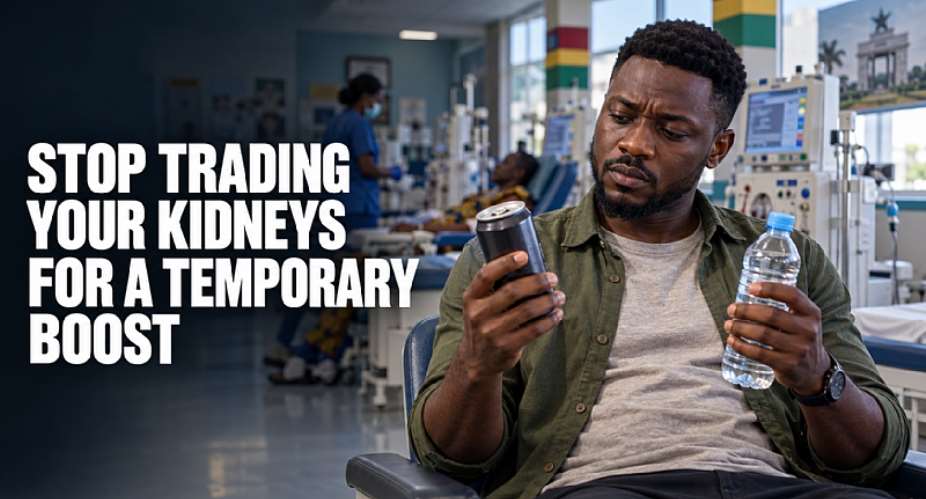
Walk into a dialysis centre in Accra, Kumasi or Tamale and one fact becomes painfully clear: kidney failure is not only a disease of old age. Many patients are still in their economically productive years, supporting families and building careers.
A 2026 systematic review covering 27 Ghanaian studies and 11,245 participants estimated a pooled chronic kidney disease prevalence of 19 per cent among the populations studied. The principal causes identified were chronic glomerulonephritis, hypertension and diabetes. Some Ghanaian studies also show that kidney disease disproportionately affects men between 20 and 50 years, although it would be inaccurate to suggest that most young dialysis patients developed the condition solely from consuming energy drinks or alcoholic bitters.
That distinction is important. Energy drinks have not been established as a leading direct cause of chronic kidney disease in Ghana. However, frequent or excessive consumption may increase risks that can ultimately harm the kidneys.
Many energy drinks contain considerable amounts of caffeine and added sugar. Excessive caffeine can cause palpitations, temporarily raise blood pressure and contribute to dehydration, particularly when consumed during strenuous work or exercise in Ghana’s hot climate without adequate water. Regular consumption of sugar-sweetened drinks can also promote weight gain and Type 2 diabetes—one of the recognised causes of kidney disease.
Scientific reports have described acute kidney injury after extremely high energy-drink consumption, especially when combined with dehydration, intense physical activity or alcohol. Nevertheless, much of the direct evidence comes from case reports and laboratory studies, so claims that one ordinary can automatically “destroys the kidneys” are medically misleading.
Mixing energy drinks with alcohol presents an additional danger. Caffeine does not neutralise alcohol or make a person sober. It may simply make the drinker feel more alert, encouraging further drinking even while judgement and coordination remain impaired. The combination is associated with dehydration, higher blood pressure, irregular heartbeat, injuries and risky behaviour.
Ghanaians must also be cautious about alcoholic bitters and products promoted as sexual-performance enhancers. “Herbal” does not automatically mean harmless, and alcoholic bitters are not substitutes for clinically tested medicine. Poorly prepared herbal remedies and other potentially toxic substances have been identified among the contributors to acute kidney injury in Ghana.
Other established threats deserve equal attention. Uncontrolled hypertension and diabetes, repeated infections, obesity, smoking and prolonged or indiscriminate use of painkillers such as diclofenac and ibuprofen can all damage the kidneys. People already living with kidney disease, heart disease or dehydration face even greater danger from such medicines and should use them only under professional guidance.
The financial consequences can be devastating. A 2026 study at the Greater Accra Regional Hospital found that patients spent an average of about GH¢3,600 on dialysis treatment over a 30-day period, excluding major transportation and income losses. Across Ghana, charges were reported to reach as high as GH¢2,000 per session in some facilities. Although public support for dialysis has expanded at different times, access, eligibility and out-of-pocket costs continue to vary.
Kidney disease is especially dangerous because it can progress for years without obvious symptoms. Waiting for swollen feet, persistent vomiting, extreme tiredness, reduced urination or breathlessness may mean that the disease is already advanced.
Prevention begins with simple but important choices: drink enough water for your health, activity and climate; reduce sugary and energy drinks; avoid mixing caffeine with alcohol; limit salt; do not abuse painkillers or unregulated herbal preparations; maintain a healthy weight; and control blood pressure and blood sugar.
Regular screening is equally important, particularly for anyone with hypertension, diabetes, obesity or a family history of kidney disease. Useful checks include blood-pressure measurement, blood sugar, serum creatinine with estimated glomerular filtration rate, and a urine albumin test.
A temporary burst of energy is not worth a lifetime of treatment. Ghana’s growing kidney-disease burden will not be solved through fear or exaggerated claims, but through accurate information, responsible consumption, early screening and affordable healthcare.
Your kidneys often suffer silently. Protect them before they are forced to announce the damage.


 East Legon: 'Why do you allow containers everywhere in such an expensive area?' ...
 I gave each NPP delegate GH¢400 for transport - Nana Akomea
 Investors favour 364-day treasury bill as bids hit GH¢474m
 Police probe three children found dead in abandoned vehicle boot at Tamale zoo
 Mahama will win fight against waste in one year — Mahama Ayariga
 'Ghana’s rape law does not recognise men as rape victims' — Young Lawyers Associ...
 Boakye Agyarko urges NPP members to close ranks after national delegates confere...
 Four injured in alleged military brutalities in Bunkpurugu
 Ayariga questions change from ‘24 hour markets’ to ‘district model markets’
 Ayariga challenges BoG to cite law behind arrests over cedi money bouquets


