





Mr Jefferson Sackey has been good enough to reply to my article entitled "WHERE ARE OUR PROOF READERS" to clarify that the offensive reference I complained about in the report on his book that was publshed on the Asaase Radio website, was not repear not in his book!
One wonders at the curiosity level of Mr Sackey. You send a book to be reviewed and you don't follow up to see what was said about it till someone is offended by the review and says so?
You see, I could have ignored the falsehood, in that I am fully aware of my own continued existence on Planet Earth. ENTROPY, after all, is embodied in the DNA of the Universe or Multiverse
But I am wedded to the idea of improving standards in Ghanaian journalism. If a falsehood is published about someone as alert as I try to be and I let it go because it won't add to, or deduct from, the reputation I have earned in the profession, then what right do I have to expect high standards from the profession?
In pursuit of that ideal, I urge Mr Sackey to investigate fully, how that loathsome word got be placed before my name ( and only mine amongst quite a list). He should get the responsible people at Asaase Radio to trace the origin of the falsehood and apologise for it. I am making this suggestion to imprint on the minds of Editors and Sub-Editors that they should CONSTANTLY CHECK the "facts" they place before the public. In an era of the ubiquitous reign of Google over facts, it will take less than 5 minutes to find out whether a fairly famous person is still kicking around or has kicked the bucket, won't it?
Bad habits DO stay with people and so punishment, least of all a reprimand, should be used to drive out such laziness of mind
For, put yourself in the place of one of my huge clan of children and their own offspring, to say nothing of well-wishers, coming across such "news" relating to their beloved Patriach!
Journalism is not a joke, guys. You have an entrance key to people's souls. Do please respect the privilege.


 Bolgatanga: Man found dead by roadside in Sumbrungu as police investigate
 Ghana concludes cocoa freight negotiations for 2026/27 season
 Blakk Rasta accuses Gushegu NPP MP Alhassan Tampuli of funding Ghana Jollof atta...
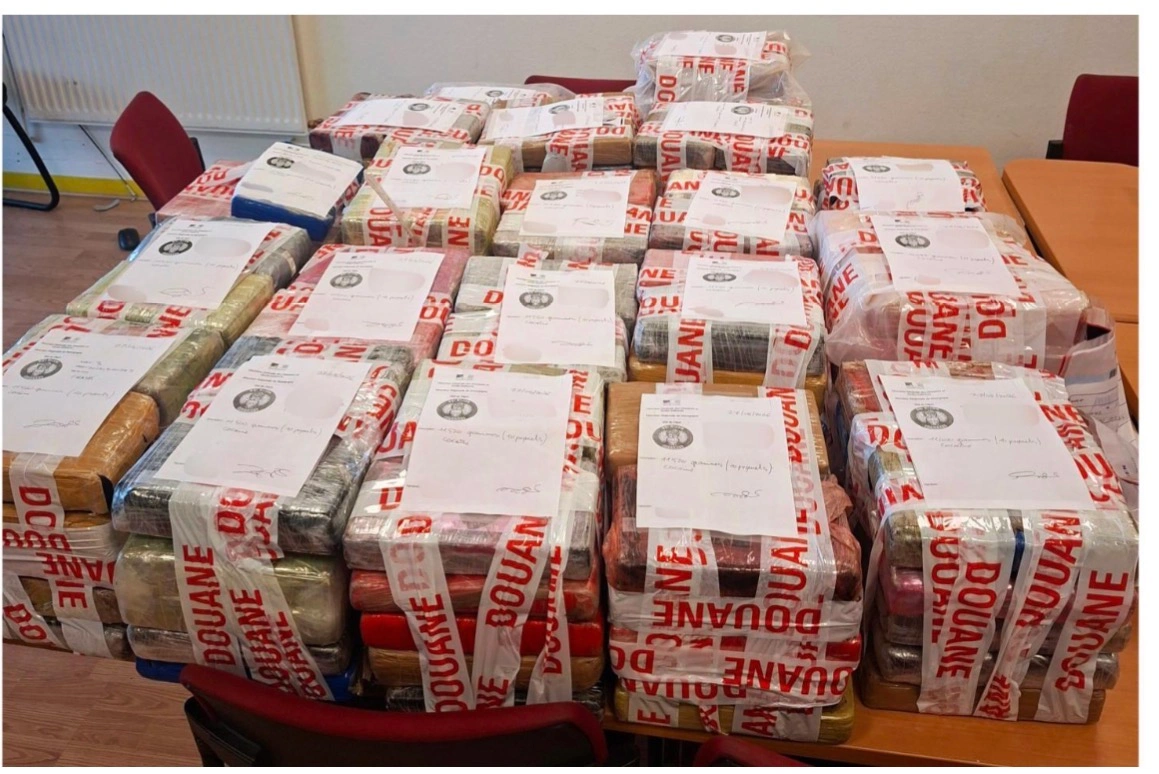 €225m Cocaine Shipment: Court to rule on bail application of six accused in 3.9-...
 BoG pilots cedi-based payment system for Ghana-China trade
 2026 BECE: Ten schools score zero percent in Adaklu as girls outperformed boys
 Gold shipments resume as Ghana rebuilds foreign exchange reserves — BoG governor
 ECG unions to stage nationwide protest over proposed private sector participatio...
 ‘That penalty is a joke’ — Queiroz rejects referee decision in Ghana’s loss to C...
 'Sceptics, naysayers, alarmists should be aware US ready to work with Ghana on r...


