




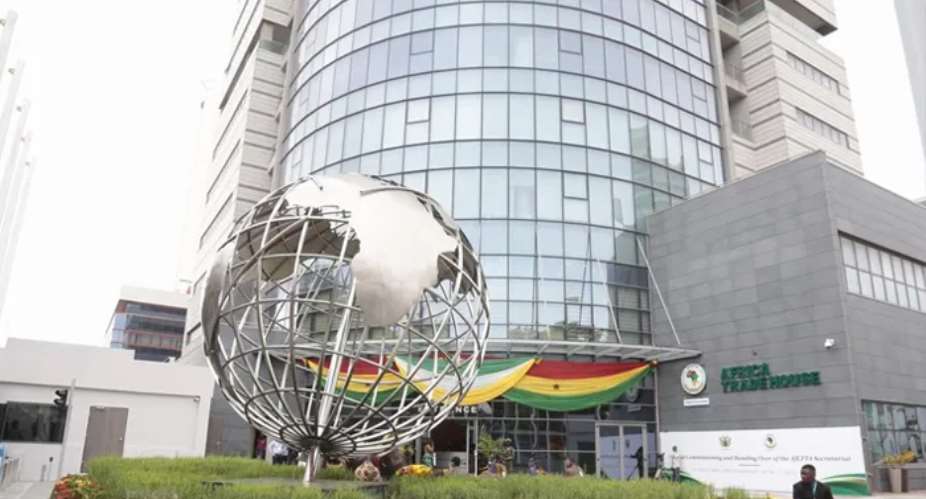
The Konrad Adenauer Stiftung (KAS) and the Raoul Wallenberg Institute for Human Rights and Humanitarian Law (RWI) have launched a series of discussions to advance the inclusion of human rights considerations in the policies and procedures of the African Continental Free Trade Area (AfCFTA). This includes a roundtable discussion in Accra, Ghana, on 8 September 2026, to provide a platform for reflecting on how best to translate commitments into concrete actions. These discussions are aimed at facilitating better alignment, coordination, and collaboration in all continental efforts for enhanced integration of human rights standards in the implementation of the AfCFTA agreement. It also aims to highlight some of the major obstacles to efficient coordination between the pertinent AU mechanisms on trade and human rights, as well as to offer suggestions for overcoming these obstacles and developing practical solutions for coordinating efforts. In this regard, the discussion brought together representatives of the AU human rights bodies, CSOs, trade unions, and development partners.
Previous roundtable discussions in Addis Ababa, Ethiopia, and Lusaka, Zambia, led to the research report titled “State of Play 2025: AfCFTA and Human Rights”. The report evaluates the intersection of continental trade and human rights, highlighting both the high economic potential of the agreement and the associated risks to vulnerable populations.
Authored by Dr Aderomola Adeola, the State of Play Report highlights critical coordination gaps and implementation silos between continental trade organs and human rights bodies. It recommends establishing joint mechanisms, inclusive consultation platforms, and human rights impact assessments to safeguard vulnerable groups during trade liberalization.
Participants at the Accra roundtable discussions reaffirmed these findings by noting the elitist nature of AfCFTA and recommended engaging and including the informal sector and persons who are differently abled in its processes. There were further discussions on monitoring and reporting on the progress of implementation against documented indicators. Participants were also particularly interested in the need to put in place mechanisms to prevent human rights abuses at the land borders.
Ms. Leonie Reeser, the German Deputy Ambassador to Ghana, opened the roundtable in Accra, which also had representation from Bridge Agenda.
By: Elizabeth Alampae Ayamga
Email: [email protected]

 Bolgatanga: Man found dead by roadside in Sumbrungu as police investigate
 Ghana concludes cocoa freight negotiations for 2026/27 season
 Blakk Rasta accuses Gushegu NPP MP Alhassan Tampuli of funding Ghana Jollof atta...
 €225m Cocaine Shipment: Court to rule on bail application of six accused in 3.9-...
 BoG pilots cedi-based payment system for Ghana-China trade
 2026 BECE: Ten schools score zero percent in Adaklu as girls outperformed boys
 Gold shipments resume as Ghana rebuilds foreign exchange reserves — BoG governor
 ECG unions to stage nationwide protest over proposed private sector participatio...
 ‘That penalty is a joke’ — Queiroz rejects referee decision in Ghana’s loss to C...
 'Sceptics, naysayers, alarmists should be aware US ready to work with Ghana on r...


