




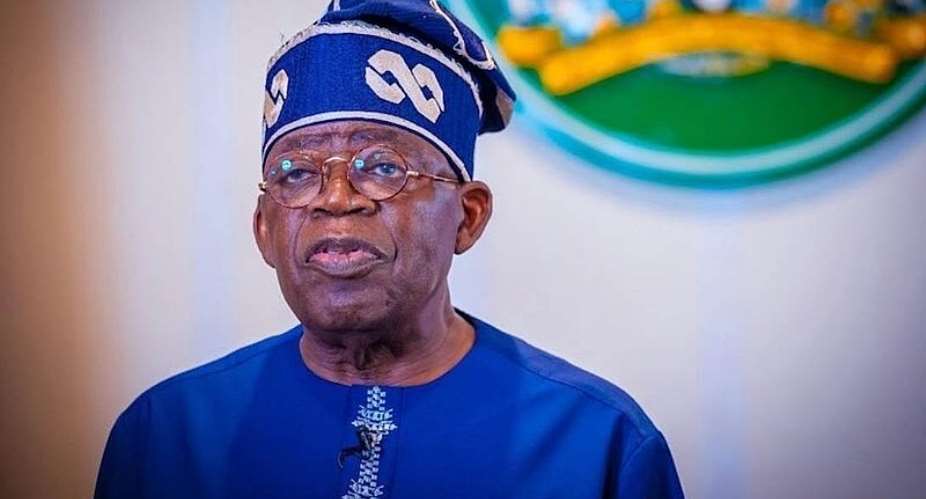
The call to return the fuel subsidy has struck a chord, especially among the masses. It has received an overwhelming positive feedback from the Nigerian public. It is now a popular opinion and a conversation no serious politician in Nigeria can avoid, since the proposition to reverse it was made by the Presidential Candidate of the rival African Democratic Congress (ADC), former Vice President Atiku Abubakar. Since the promise was made, incumbent President Bola Ahmed Tinubu has unleashed his proxies to suppress the conversation or reduce the former VP's promise to empty political talk. However, as they desperately try, the topic keeps resonating among the people and gaining more traction. The President himself described Mr Atiku’s proposal to restore petrol subsidy as evidence of serious ignorance of governance and the economy. Nyesom Wike, Nigeria's Minister of Federal Capital Territory, described former Vice President Atiku as a confused politician and a voodoo economist. Other sympathetic analysts mocked him as someone who is posing to be compassionate but changes his mind often. Yet as the days go by, it appears that the public is becoming more sceptical, impatient and hostile to the current administration. They seem to have run out of patience after waiting for more than three years for the reforms to bear fruit that positively impacts the poor.
The Presidency is now hastily rolling out social protection and palliative programs like the $1 billion empowerment program and the addition of 500 new compressed natural gas (CNG) stations nationwide to alleviate the suffering of the masses that have been bearing the harsh brunt of inflation. The ruling party appear to be in some panic, as if they were caught unprepared by the proposition and the debate it triggered. However, the real issue is that anger and discontent against the government are rising due to deepening poverty and hardship, and citizens are looking for the slightest opportunity to express their feelings. Assuming they go ahead with their plan to subsidize transport for workers, it will affect only about four million people nationwide. The rest will be left on their own.
Proxies of the President continue to make veiled references to state governors, as if to suggest that public pressure for accountability should be channelled to them. There is merit in seeking to hold governors accountable for public resources given to them in trust, especially since they directly and indirectly control funds for local governments. However, Nigeria operates a fiscal federalist structure where revenue is constitutionally shared, with the federal government retaining a larger proportion of 52.68%. Citizens expect the Federal government to lead by example by explaining how it used its share of the money. Then the argument about following up with the other tiers of government could be justified. Commentators frown at the fact that a huge sum of money was allocated to allegedly over-invoiced public contracts like the Lagos-Calabar coastal highway, allegedly awarded to associates and relatives of the President without due process.
133 million Nigerians, 63% of the population, currently experience multi-dimensional poverty, with 18.3 – 20 million out-of-school children. Economic inequality has reached extreme levels. According to Oxfam, the combined wealth of Nigeria’s five richest men could end extreme poverty at a national level, yet more than five million people face hunger.
You do not need to look far to see a history about to repeat itself in Nigeria. The Tinubu political empire is undergoing self-inflicted turmoil; the question is when the centrifugal forces within will converge and manifest into proper political traitors. Pundits predict a stormy political season ahead of the 2027 election, but his supporters and surrogates appear confident that President Tinubu has a history of surviving political odds.
Dr. Uche Igwe is a political economy analyst based in Abuja. He can be reached through [email protected]


 'Remember me in your prayers' – Nana Ama McBrown
 Turf war among OSP, A-G and EOCO undermines graft fight– Sulemana Braimah
 Here are 100 unrecognised universities listed by GTEC as of August 2026
 Mahama arrives in Luanda for AU Summit
 Fallen live electricity cable kills 10 cattle at Abrewanko
 Ketu South residents to demonstrate against ECG due to over-billing
 Ghanaians outraged over cigarette-shaped candy targeting children
 Volta NPP in turmoil over appointment of 10 regional officers
 Bolgatanga events ban beyond 8pm will make government unpopular – Gabriel Agambi...
 Irresponsible security reporting could worsen ethnic and religious tensions – Sh...

