




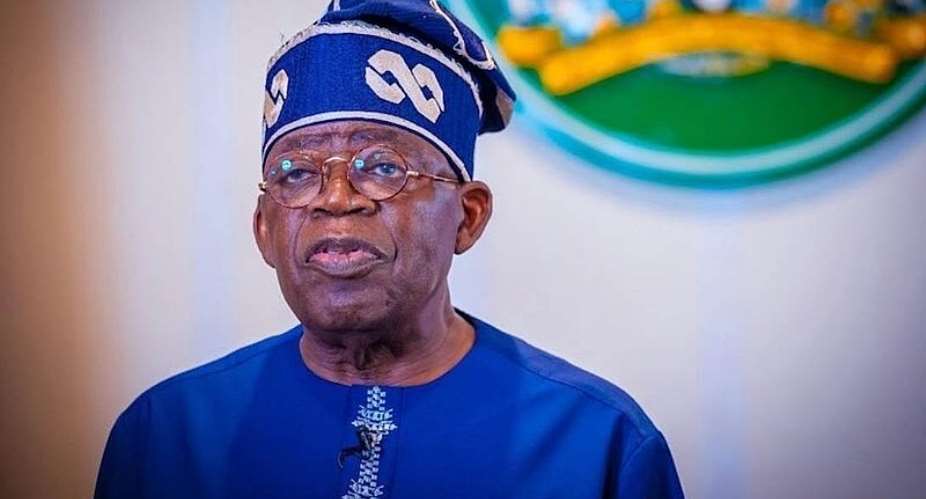
Since the Presidential Campaign Council list of the ruling All Progressives Congress was released to the public, it has sparked comments and controversy from several quarters across the nation. As pressure continues to mount, a leading newspaper published an exclusive report that the Presidency has withdrawn the list. Numerous sources have confirmed the development, although senior party officials denied the claims. The multidimensional pushback so far experienced may have forced the President to reconsider some of the individuals currently on the list while including others who were excluded. The reported hurried withdrawal of the list has also exposed the reality of poor coordination, fragmented politics and transactional tactics within Nigeria’s seat of power.
Leading patriots have described the list as an aggregation of spent political forces, discredited politicians, and politically exposed persons (PEPs), some of whom are still undergoing trial at the Economic and Financial Crimes Commission (EFCC). Names like former Minister of Humanitarian Affairs, Betta Edu, and Ngozi Olojeme, who served as the Chairman of Nigeria Social Insurance Trust Fund (NSIFT) under the administration of former President Jonathan, sparked outrage. These individuals have unresolved corruption cases. Furthermore, the presence of names of government officials like the Chairman of the Nigerian Revenue Service, Zacch Adedeji, Abisoye Odusote, Director General of the National Identity Management Commission (NIMC) and Christopher Musa, Minister of Defence, raised potent concerns of conflict of interest. Several commentators insist that such institutions should be insulated from partisanship to inspire public confidence and engender public trust. Observers see the inclusion of the manager to tax resources as a brazen indication that the ruling party plans to use public funds to finance partisan affairs.
Another disturbing dimension is the inclusion of a controversial Senator Ali Modu Sheriff as the coordinator of the campaign in the north east zone. Media reports allegedly link the politician to the dreaded terrorist group known as Boko Haram. Moreover, several octogenarians were included in the President’s team. Aged politicians like former governor Olusegun Osoba, who recently turned 87; Chief Bisi Akande, who is also 87; Mrs Ita Giwa, who recently turned 80; Mr Abdullahi Adamu, who is 80; and Abdullahi Ganduje, who is 76 years old. In a country with a population of about 170 million under the age of 30, it is outlandish that the ruling party expects these older people to be the ones to travel across the country to mobilise voters during campaigns.
Optimists expect that the list will be altered considerably. Yet it does not appear that the President is willing to relinquish his headship of the campaign. This suggests that he wants to retain direct control over the structure ostensibly to reduce dependence on any individual political actor. It is believed that President Tinubu also wants to sufficiently mainstream the governors in his approach to ensure they are relevant enough to influence electoral outcomes in their states in his favour. He understands that the resources under these governors control will come in handy for elections. For instance, both the directorate of finance and committee on fundraising are headed by governors. That is instructive. With the removal of fuel subsidy, state governors are receiving funds in surplus of what they were used to. An easy way to get them to plough back part of those funds into the campaign is to give them sensitive roles.
The expected review will provide an opportunity to pacify some politicians from certain parts of the country who feel excluded. For instance, there are complaints that the south-eastern part of Nigeria had fewer than 10 names out of 223. The Deputy Speaker of the Federal House of Representatives, Hon. Benjamin Kalu, was reportedly omitted. Some associates of the Minister of the Federal Capital Territory, Nyesom Wike, are expected to feature in the new list. Mr Wike is not yet a member of the APC and has publicly denied any interest in joining the President's campaign team. However, as a key supporter of the President, including some of his nominees in the campaign structure might be useful. In the meantime credit must be given to the President and his party for being responsive to public feedback. Whether such approach can affect voting behaviour remains a subject of debate.
Dr. Uche Igwe is a political economy analyst. He can be reached on [email protected]

 Ghana won't return to conditions that triggered 2022 debt crisis – Ato Forson
 Agradaa’s Short Release And Wontumi’s Appeal: Why Ghana Must End Selective Justi...
 Parliament begins vetting of Ayariga, Zanetor and Supreme Court nominees
 Mahama calls for tougher health regulations as AI and digital health expand
 Let's support Ofori-Atta's return to prove NPP is serious about accountability –...
 ‘Maybe the GH¢500 million cathedral hole was your only good policy’ – Basintale ...
 Miracles Aboagye promises fact-based campaign for Bawumia ahead of 2028
 August 25: Cedi sells at GHS12.20 on forex market, GHS11.13 on BoG interbank
 GES opens WAEC portal for 2026 school selection data upload
 Let's not criticize law enforcement agencies for holding politicians accountable...

