




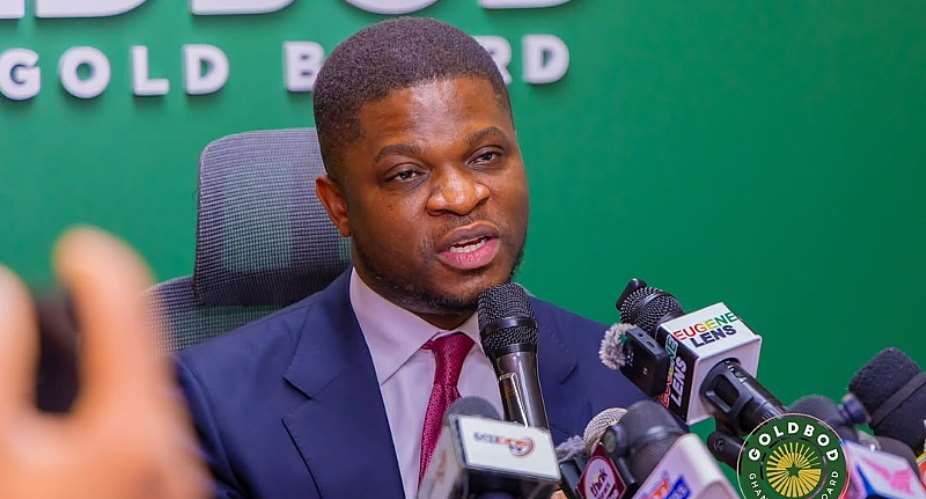
GoldBod Chief Executive Officer (CEO), Sammy Gyamfi, is pushing for sustainable mining reforms, stronger regulation and improved traceability as part of efforts to address Ghana’s long-running illegal mining, popularly known as galamsey, crisis.
Mr Gyamfi said the challenges confronting Ghana’s artisanal and small-scale mining (ASM) sector cannot be addressed solely through enforcement, arguing that greater attention must be given to formalising the sector and providing miners with the necessary support to operate responsibly.
Speaking during a Space conversation on X on Sunday, August 9, 2026, the GoldBod CEO said Ghana had taken an important step by legalising artisanal and small-scale mining in 1989, but successive governments failed to build the systems required to make the sector sustainable.
According to him, miners were not adequately supported with training, technical capacity, appropriate equipment, monitoring mechanisms and environmental safeguards.
He noted that the lack of investment in reclamation and other environmental protection measures had also contributed to the deterioration of mining communities and the wider environment.
Mr Gyamfi further identified weaknesses in the monitoring of mining equipment and activities as a major challenge.
He said Ghana needed stronger systems to register and track mining equipment, geofence mining operations and monitor activities at mining sites to ensure that operators remained within approved areas.
Beyond mining operations, the GoldBod CEO also stressed the importance of establishing effective traceability mechanisms within the gold-buying sector.
He questioned whether previous state-backed gold-purchasing initiatives had sufficiently established the origin of gold bought from small-scale miners, particularly under the Domestic Gold Purchase Programme introduced in 2021.
Mr Gyamfi said the government at the time purchased gold for various purposes, including supporting the Gold-for-Oil programme, strengthening reserves and meeting foreign exchange needs.
However, he argued that without a comprehensive system for tracing the source of the gold, it remained difficult to determine whether the precious metal had been produced through legitimate mining activities or operations linked to environmental destruction.
He said effective traceability would help distinguish responsibly produced gold from gold sourced through illegal mining and strengthen accountability across the value chain.
Mr Gyamfi's position highlights the need for a broader approach to Ghana’s galamsey challenge—one that combines enforcement with formalisation, technology, environmental protection, responsible gold trading and sustained support for legitimate small-scale miners.
He maintained that strengthening these systems could help transform artisanal and small-scale mining into a more responsible and sustainable contributor to Ghana’s economy while protecting the environment for future generations.


 Thirty years on, man accused of orchestrating Tupac Shakur's murder goes on tria...
 Irish cartel boss Daniel Kinahan extradited from Dubai and charged in Dublin
 Queen mother falls from palanquin during Mozama festival at Gomoa Tarkwa
 August 6 helicopter crash: Family remembers Flt. Lt. Manaen Twum Ampadu one year...
 August 6 helicopter crash: ‘I’ve not been able to sit at a dining table since my...
 WAEC withholds results of 9 BECE private candidates over suspected collusion
 Forestry Commission laments how illegal miners return to forest reserves with ne...
 Here are areas to face outages as ECG announces 4-day power outage scheduled mai...
 Mion NPP Chairman resigns barely two weeks after winning constituency polls
 Ghana’s Deputy Ambassador to Saudi Arabia Sanni Jajah dies

