




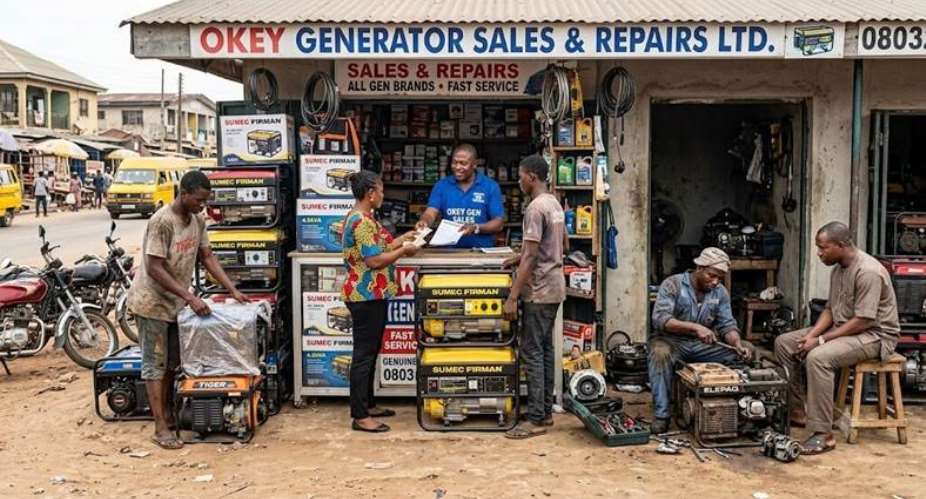
For decades, the unmistakable sound of petrol and diesel generators formed the background music of Nigerian life. Homes, workplaces, factories, hospitals and schools depended on privately owned generators to bridge the gap created by an unreliable public electricity supply. It became common for families furnishing a new apartment to budget not only for furniture and household appliances but also for a generator, fuel storage drums and the recurring expense of petrol or diesel. The generator industry flourished because there appeared to be no practical alternative.
Today, however, a quiet revolution is taking place. Increasingly, the familiar roar of generators is being replaced by the silent hum of solar-powered systems. Nigerian households and businesses are investing in photovoltaic panels, lithium battery packs, hybrid inverters and energy-efficient appliances. Instead of spending large portions of their monthly income on fuel, many are making a one-time investment that promises years of relatively low-cost electricity. This transition marks one of the most significant changes in Nigeria’s domestic and commercial energy landscape.
The figures tell a compelling story. According to the Global Solar Council, Nigeria’s installed solar capacity reached approximately 1,019 megawatts in 2025 after adding more than 800 megawatts within a single year. Such rapid growth demonstrates that solar energy has moved beyond being an alternative for environmental enthusiasts to become a mainstream economic solution. And of-course, several factors have driven this remarkable transformation. First is the rising cost of fuel. Following the removal of fuel subsidies and fluctuations in global oil prices, the cost of running generators increased dramatically. Small businesses that once relied on generators for eight to twelve hours daily now spent a substantial proportion of their operating costs on fuel alone. Contrarily, solar systems, although they require a higher initial capital, eliminate most recurring fuel expenses and significantly reduce maintenance costs.
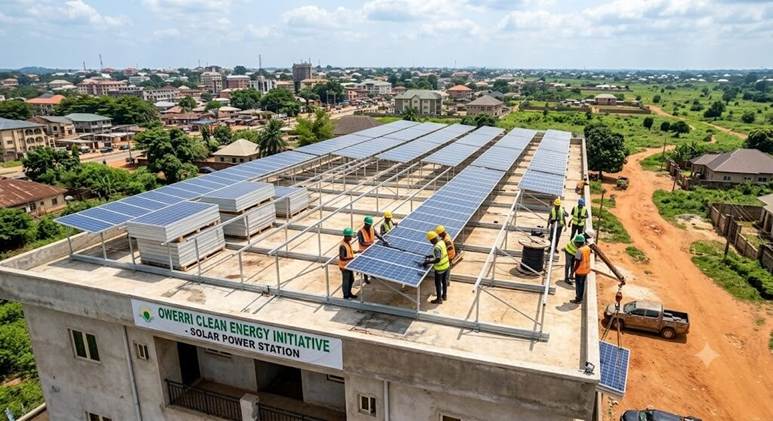
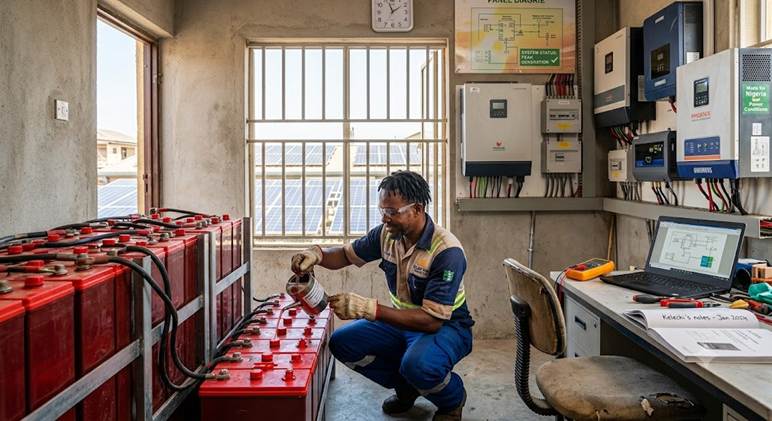
Secondly, advances in battery technology have made solar systems more reliable than ever before. Modern lithium batteries store more electricity, charge faster, occupy less space and last considerably longer than the traditional lead-acid batteries that dominated the market for many years. Combined with intelligent hybrid inverters, these systems automatically switch between solar power, battery storage and the national electricity grid whenever necessary.
Another important factor is the growing availability of energy-efficient appliances. Refrigerators, fans, televisions, lighting systems and even air conditioners are now designed to consume significantly less electricity. Many appliances can operate directly on solar-generated power, making complete off-grid living increasingly achievable. This energy transition is producing wide-ranges of benefits across the Nigerian economy. Importers and distributors of solar equipment have witnessed remarkable growth. Hundreds of companies now specialize in the supply and installation of solar panels, inverters, batteries and related accessories. New retail outlets have emerged in major cities including Lagos, Abuja, Kano, Port Harcourt, Enugu, Owerri and Kaduna.
Employment opportunities have expanded rapidly. Thousands of young Nigerians are receiving training as solar technicians, electrical installers, maintenance engineers, sales representatives and energy consultants. Technical colleges and vocational centres are incorporating renewable energy into their training programmes, creating a new generation of skilled professionals equipped for tomorrow’s economy.
The financial sector has also recognized the enormous potential of renewable energy. Commercial banks, development finance institutions and microfinance organisations now offer financing packages that allow individuals and businesses to acquire solar systems through instalment payments. Pay-as-you-go financing models have made solar power accessible even to lower-income households. Agriculture is another sector experiencing transformation. Solar-powered irrigation pumps enable farmers to cultivate crops throughout the year without relying on expensive diesel engines. Cold storage facilities powered by solar energy reduce post-harvest losses, while rural communities without access to the national grid can preserve agricultural produce for longer periods.
Healthcare delivery has equally benefited. Hospitals and clinics can now operate life-saving equipment continuously without interruption from power failures. Vaccines requiring refrigeration can be safely stored in remote health centres, improving public health outcomes.
Educational institutions are also embracing solar technology. Schools that once struggled with frequent blackouts can now power classrooms, laboratories, libraries and computer centres throughout the day. Students benefit from improved learning environments, while educational administrators reduce their electricity and fuel expenditures. But, perhaps one of the most profound impacts is environmental. Every generator switched off means fewer carbon emissions, less air pollution and significantly reduced noise pollution. Residential neighbourhoods that were once suffocated by the constant roar of generators are becoming quieter and healthier places to live.
Despite these encouraging developments, several challenges remain. The initial cost of purchasing quality solar equipment is still beyond the reach of many Nigerians. Although financing options are expanding, interest rates remain relatively high. In addition, the influx of counterfeit panels, batteries and inverters into the Nigerian market is bound to threaten consumer confidence. Stronger quality control, certification standards and consumer education are therefore essential. Another challenge lies in the shortage of adequately trained installers. Poor installation practices often reduce system efficiency and shorten equipment lifespan. Continued investment in technical education and professional certification will be necessary to sustain industry growth. The rapid expansion of solar energy naturally raises an important question: what becomes of the national electricity utility, popularly known as NEPA—a name many Nigerians still affectionately use, even in the face of necessary subsequent reforms?
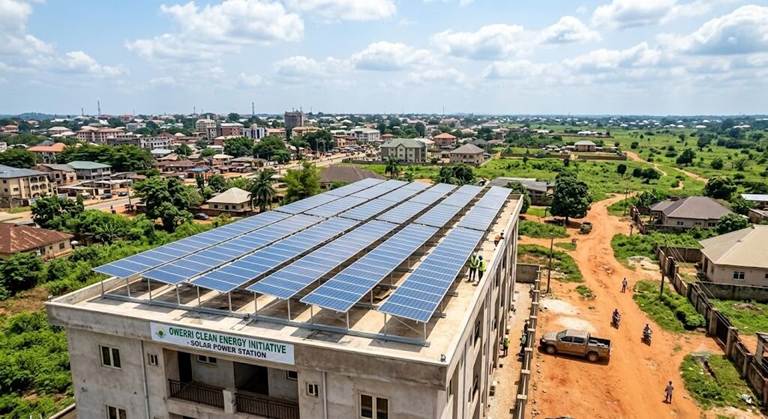
The future of grid electricity is unlikely to be one of complete extinction but rather one of transformation. As more households and businesses generate their own electricity, dependence on the national grid will diminish. Electricity distribution companies may experience declining revenues if they continue operating under their traditional business models.
However, this challenge also presents an opportunity. Rather than competing against solar technology, Nigeria’s electricity industry can evolve into a modern energy network. Future electricity providers could focus on managing smart grids, balancing renewable energy sources, purchasing excess electricity generated by consumers and ensuring reliable transmission infrastructure. Around the world, electricity companies are increasingly becoming energy service providers rather than simply electricity sellers.
In this emerging model, homes and businesses equipped with rooftop solar panels could become producers as well as consumers of electricity. During periods of excess generation, surplus electricity could be fed back into the national grid through net-metering arrangements, creating additional income for households while strengthening national energy security.
Government policy will play a decisive role in determining whether this transition succeeds or not. Supportive regulations, import incentives for quality renewable energy equipment, investment in local manufacturing and favourable financing policies can accelerate Nigeria’s journey toward energy independence. There is also enormous potential for indigenous manufacturing. Nigerian entrepreneurs can establish factories producing mounting structures, cables, batteries, solar accessories and eventually photovoltaic panels themselves. Such industrial development would create jobs, conserve foreign exchange and strengthen the country’s manufacturing base.
The age of generators is gradually giving way to the age of solar energy. What once seemed like an expensive luxury has become an economically sensible investment for millions of Nigerians. Families are reducing household expenses, businesses are improving profitability, farmers are increasing productivity, healthcare facilities are delivering better services and young people are finding employment in a rapidly expanding industry. Every technological revolution presents a choice. Those who embrace change position themselves for future opportunities, while those who resist often struggle to catch up. Nigeria has entered an era in which renewable energy is no longer merely an environmental aspiration but a practical economic necessity.
As this transformation gathers momentum, Nigerians should view solar technology not simply as an alternative source of electricity but as an investment in economic resilience, environmental sustainability and national development. Members of the ROLU Business Magazine Network, in particular, should seize this opportunity by investing in renewable energy, supporting innovative enterprises, promoting energy-efficient technologies and sharing knowledge that empowers businesses and communities. Those who adapt early will not only reduce costs but also help shape a cleaner, more prosperous and technologically advanced Nigeria for generations to come.


 Murdered UK woman, daughters buried in Zimbabwe
 Planning Committee bans musket firing at 89th Ada Asafotufiami Festival
 Demand for bribes by public officials increased sharply to 18% in late 2025 — GS...
 'Our superior courts are sitting on close to 29,500 pending cases' — Justice Kul...
 Nana Ato Dadzie backs return of Public Tribunals
 Ato Forson pays tribute to Omane Boamah, describes him as selfless and patriotic...
 Appeal Court backs District Court ruling against Zuriah FM broadcaster
 'Don't be negligent, verify before you buy' — CDA Consult on counterfeit goods a...
 Tension brews as Kpandai and Nkanchina communities threaten to shut down nursing...
 'Complete existing Accra-Kumasi Highway works before expressway' — Minority tell...

