




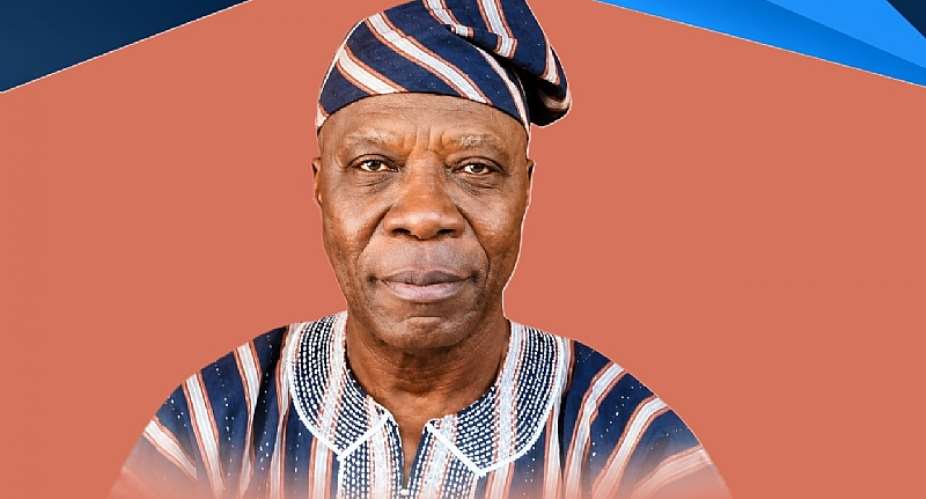
Naa Dr Saaka Mwinimaana II, Chief of Maase in the Dolimo Traditional Area of the Upper West Region, has called on traditional authorities to spearhead a nationwide campaign to restore dignity and protect public health by joining advocacy efforts to end open defecation across the country, with particular focus on their jurisdiction.
Naa Dr Saaka Mwinimaana II said chiefs must set the standard through personal example and community mobilisation, rather than being expected to single-handedly finance public toilet infrastructure.
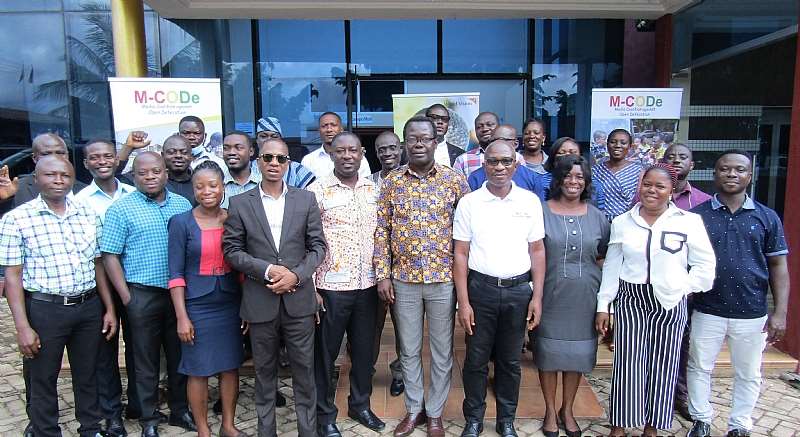
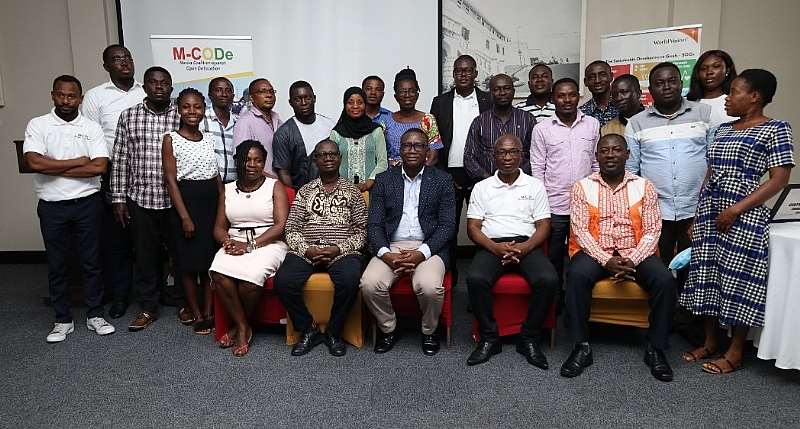
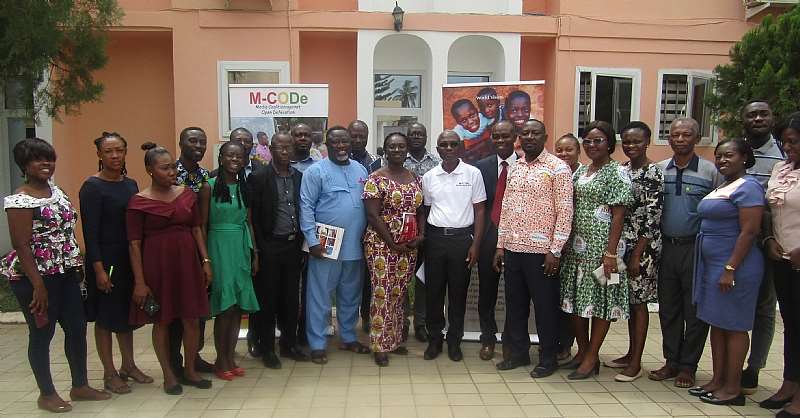
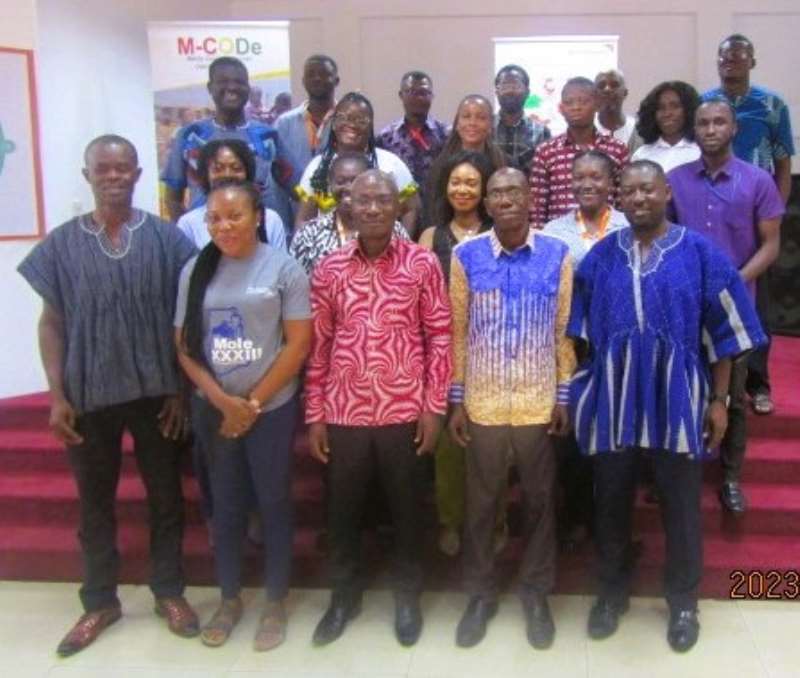
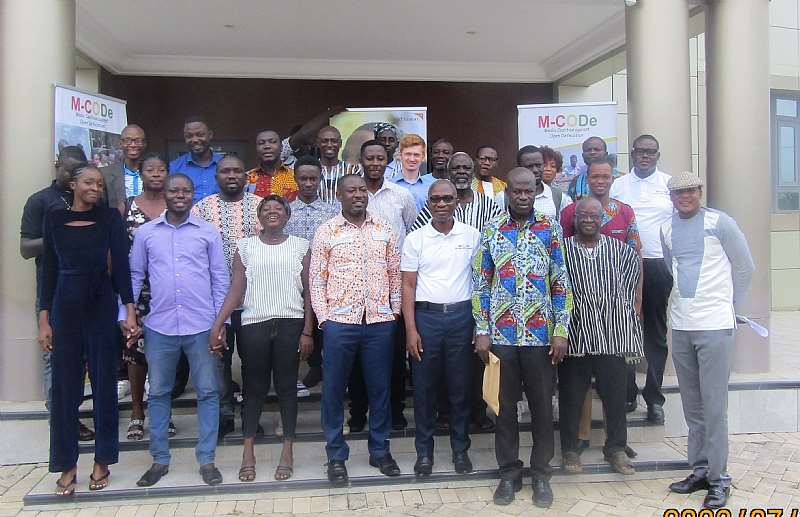
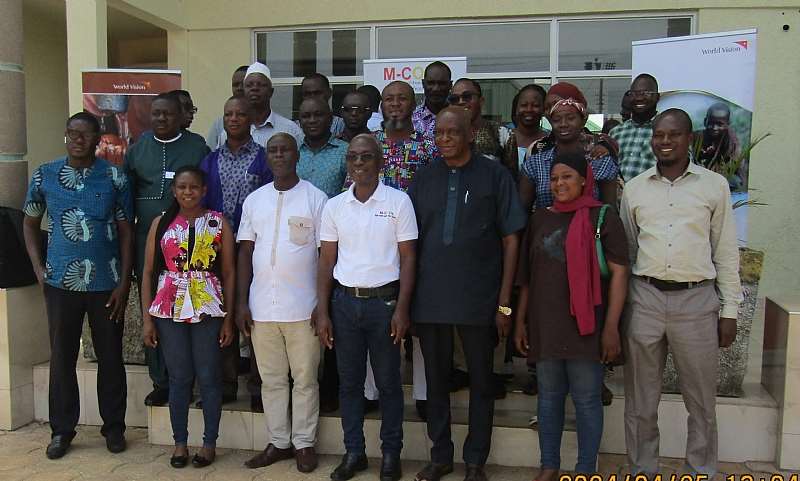
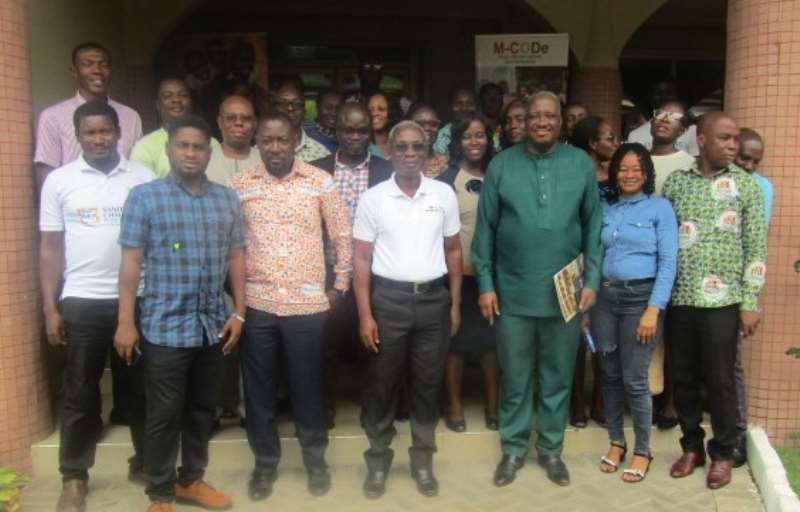
Speaking during engagement with the Upper West Regional branch of the Media Coalition Against Open Defecation (M-CODe), Naa Dr Mwinimaana II said traditional leadership remains one of the most trusted institutions at the grassroots, and that influence must now be channelled towards changing sanitation behaviours.
"I think traditional leaders need to lead by example," he said. "They should construct a place in their own compounds that allows their families not to defecate openly."
Following President John Dramani Mahama’s directive making sanitation a key performance indicator of MMDCEs, the Media Coalition Against Open Defecation (M-CODe), with support from World Vision Ghana, has initiated a nationwide accountability activation to track how MMDCEs are delivering on the government's new directive.
Under the theme "Institutionalising Sanitation Performance", the exercise marks the first phase of M-CODE’s revitalisation agenda and positions the media as the accountability bridge between government, traditional authorities, local assemblies, and citizens in the push to achieve a clean environment and end open defecation.
The M-CODe National Accountability Framework has been designed to fit regional governance systems to ensure it works effectively, as teams will look at how budgets are spent, how infrastructure is built, how laws are enforced, how communities are educated, and how different groups work together.
The first phase of the projects covers Upper East, Northern, Western, Greater Accra, Upper West, and Ashanti.
Naa Dr Mwinimaana II described open defecation as a serious public health threat that continues to expose rural populations to preventable diseases, adding, "This is a health hazard. Basic hygiene requires human waste to be separated from where people live."
Health authorities link open defecation to outbreaks of cholera, diarrhoea, and typhoid, as well as malnutrition and stunting in children due to faecal contamination of water and food sources. In many parts of northern Ghana, limited access to household toilets and safe water compounds the risk, particularly during the rainy season.
Naa Dr Mwinimaana II noted that while modern flush toilets may be out of reach for some households, every family should have access to at least a basic household latrine.
"Communities should at least have simple household latrines or outhouses. That alone will protect women, children and the elderly from disease and public exposure," he said.
The chief of Maase in the Dolimo Traditional Area of the Upper West Region said the role of traditional rulers must be defined around three pillars: leadership by example, sustained advocacy, and strategic partnership with government.
"I see one of leadership, one of advocacy and one of partnership with the various levels of government to ensure that open defecation is addressed in an effective and prompt manner," he said.
He called on the central government, regional coordinating councils, and Metropolitan, Municipal and District Assemblies to take primary responsibility for investing in sanitation infrastructure and ensuring reliable access to water for handwashing.
"The central government, the region and the districts ought to work together to ensure that provisions are made to allow communities and families to have decent places where they can defecate and have sufficient water that they can wash with," he said.
Naa Dr Mwinimaana II also stressed the need to equip chiefs with knowledge and tools and urged the Ghana Health Service and the Environmental Health and Sanitation Directorate to provide training on sanitation advocacy and to support traditional leaders to work with NGOs and development partners.
With population growth and environmental pressures increasing, he warned that open defecation is no longer sustainable.
Public health advocates say treating sanitation as a performance indicator will help Ghana meet Sustainable Development Goal 6.2, which targets access to adequate and equitable sanitation and the elimination of open defecation by 2030.
Naa Dr Mwinimaana II urged government agencies, health officials, civil society and development organisations to strengthen collaboration with traditional authorities to eliminate open defecation, particularly in rural areas.
"Traditional leaders command trust. When we speak with one voice on health and dignity, our people listen. With the right support, we can end this practice and build healthier communities," he stated.
He concluded that ending open defecation will require more than infrastructure. It will require cultural leadership, community ownership, and a shared commitment to ensure that no Ghanaian is forced to compromise their health and dignity.
Naa Dr Mwinimaana II commended M-CODe and World Vision Ghana for imitating the accountability advocacy and stressed that the initiative should be sustained all year round to put all stakeholders on their toes.
He said the media have a strong influence on society and the behaviour of people. "We need such media accountability which also serves as a watchdog for us to behave…knowing that the media is watching and may capture you engaging in open defecation or sleeping on the job as MMDCEs will always keep us from evil.”

 'You had your priorities wrong' – NPP's Peter Ayinbisa rejects govt's new SHS fo...
 NPP gov't misused GARID loan on conferences instead of drainage projects — Ato F...
 Otumfuo calls for sustained vigilance from "Black Maria" in tackling illicit dru...
 City-to-city partnerships key to Africa's sustainable development — Vice Preside...
 Atta Mills' example still leads us 14 years after his death — Asiedu Nketiah
 25 Ghanaians among 175 World Cup visitors who sought asylum in Canada
 'Even NPP members would not want Ofori-Atta back in charge of the economy' — Man...
 Circumstantial evidence is often more reliable than direct evidence — Kwaku Azar
 Adwoa Safo demanding GH₵3.7 million to release father’s body for funeral, burial...
 Govt admits gold dependence risk but prioritises gains while pursuing diversific...

