




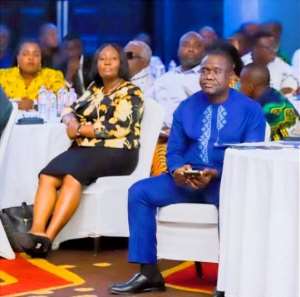
Ghana’s escalating waste crisis must be treated as a national emergency and addressed with immediate and coordinated action, Dr Joseph Siaw Agyepong, Founder and Executive Chairman of the Jospong Group of Companies, has said.
He explained that rapid urbanisation and population growth have pushed daily waste generation to approximately 13,000 tonnes, with only a small fraction properly collected and disposed of. "This has led to environmental pollution, health risks, and economic losses. Waste management issues must be addressed with all urgency.”
Dr Siaw Agyepong, described as a serial entrepreneur with a track record of identifying strategic opportunities across industries, said the waste challenge also presents Ghana with a unique opportunity to transform the sector into a driver of jobs and economic growth.
The Jospong Group Executive Chairman stated contributing to the ongoing Media Coalition Against Open Defecation (M-CODe) nationwide advocacy to ensure accountability by Metropolitan, Municipal and District Assemblies (MMDAs) on the Key Performance Indicators (KPIs) on environment and sanitation in the realisation of directives from President John Dramani Mahama, making sanitation a key performance indicator for MMDCEs.
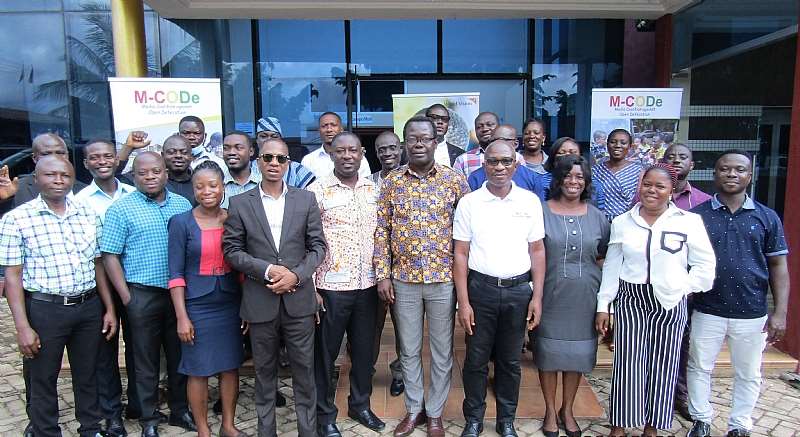
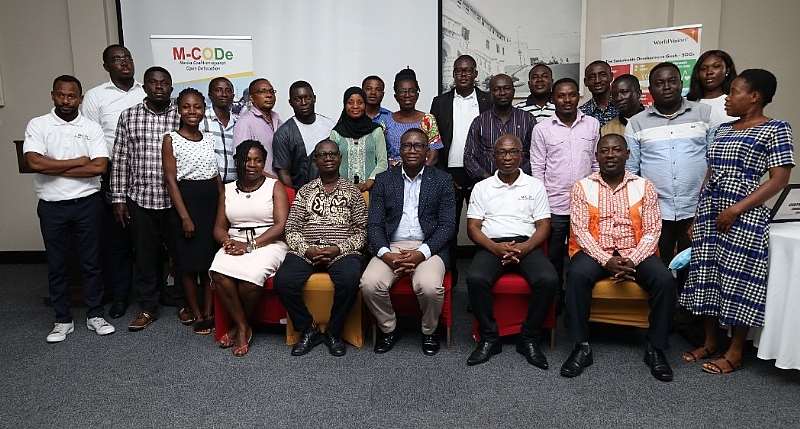
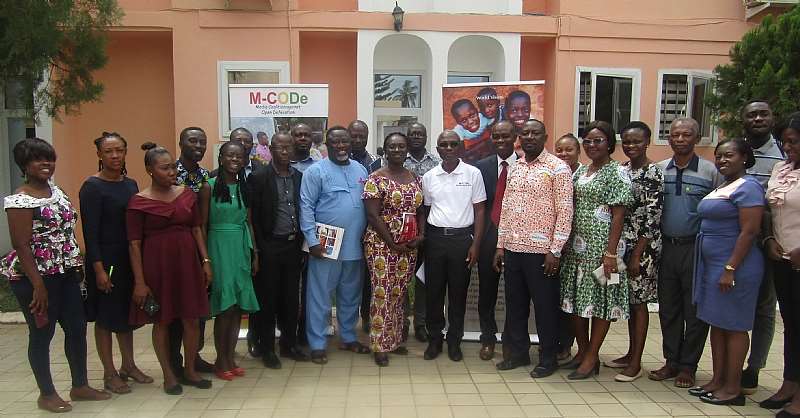
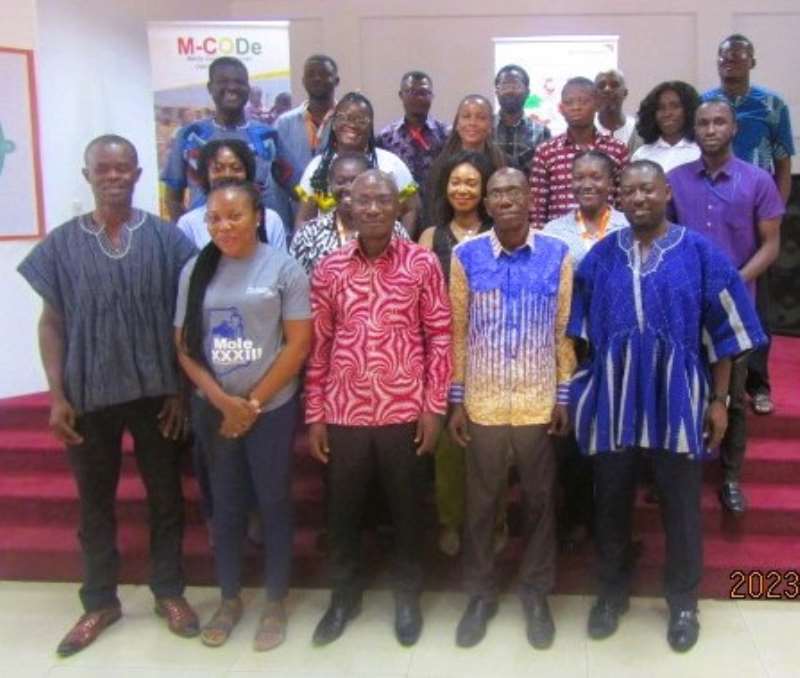
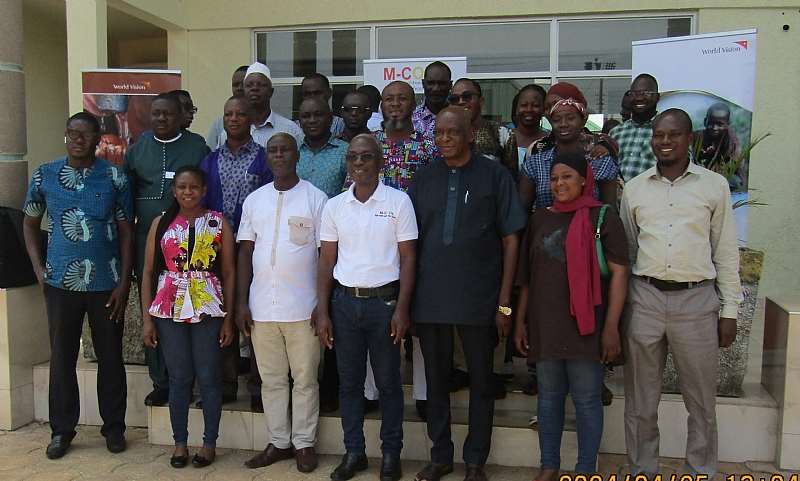
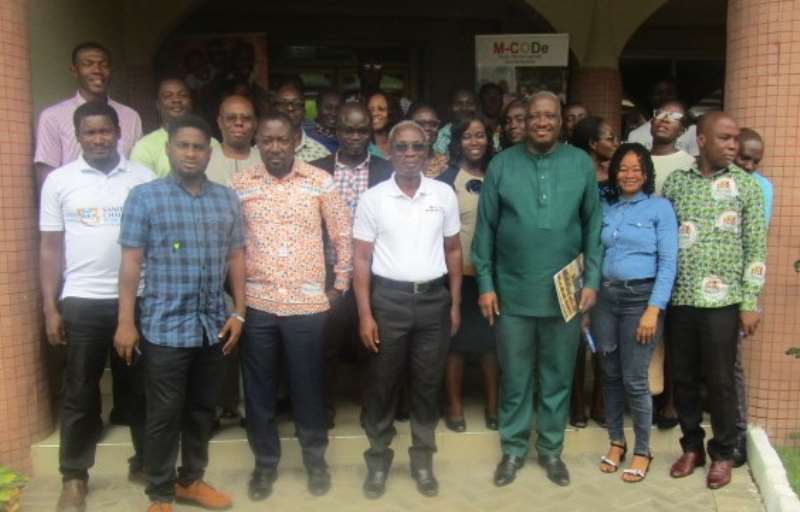
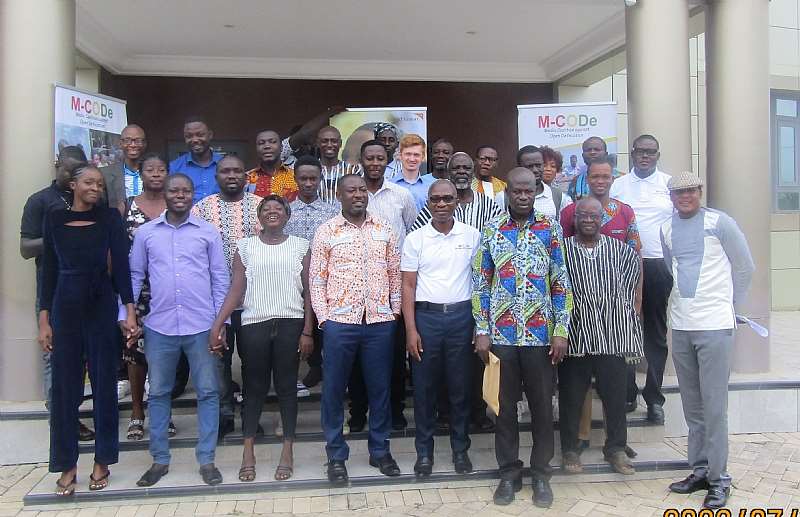
Following the President’s directive, the Media Coalition Against Open Defecation (M-CODe), with support from World Vision Ghana, has initiated a nationwide accountability activation to track how Metropolitan, Municipal, and District Chief Executives (MMDCEs) are delivering on the government's new directive.
M-CODe has rolled out regional accountability activation to independently track how MMDCEs are delivering on the government's new directive to make sanitation a key performance indicator.
Under the theme "Institutionalising Sanitation Performance", the exercise marks the first phase of M-CODE’s revitalisation agenda and positions the media as the accountability bridge between government, traditional authorities, local assemblies, and citizens in the push to achieve a clean environment and end open defecation.
The M-CODe National Accountability Framework has been designed to fit regional governance systems to ensure it works effectively, as teams will look at how budgets are spent, how infrastructure is built, how laws are enforced, how communities are educated, and how different groups work together.
The first phase of the projects covers Upper East, Northern, Western, Greater Accra, Upper West, and Ashanti.
Dr Siaw Agyepong advocated a holistic, context-specific approach that reflects Ghana’s social, political, economic, legal and technical realities.
“Harnessing the energy potential of waste must be pursued with all urgency. We must also implement efficient recycling and composting systems and launch a national strategy to educate citizens on proper waste management practices,” the Jospong Group Executive Chairman stated.
The Jospong Group Executive Chairman stressed that achieving a waste-free Ghana will require the deliberate involvement of government, the private sector, religious and traditional leaders, the media, and civil society.
He called for the establishment of a robust regulatory framework to support sustainable waste management; increased investment in modern infrastructure, including waste-to-energy plants, recycling facilities and sanitary landfills; and the deliberate promotion of public-private partnerships.
Dr Siaw Agyepong noted, “Engaging and empowering local communities to take ownership of waste management initiatives is critical. We encourage all state and non-state actors to work together to promote change, create opportunities, and build public support for sustainable waste management techniques. We can work together to make Ghana a cleaner, healthier, and more prosperous place for everyone.”
Mr Francis Ameyibor, M-CODe National Convenor, explained that the intervention seeks to position the media as the accountability bridge between government, traditional authority, local assembly, and citizens across the country, with a sharp focus on ending Open Defecation (OD).
The M-CODE National Convenor explained that with sanitation elevated to a KPI, the conversation moves from awareness to accountability, and the media’s role, as framed by M-CODe, is to ensure that budgets are not just announced but spent; that by-laws are not just passed but enforced; and that traditional and local leaders are not just present but performing.
Mr Ameyibor, therefore, appealed to state and non-state actors, development partners, media outlets, traditional and religious leaders, environmental service providers, and the general public to support M-CODe with funds and logistics to ensure the success of the project in the best interest of everyone living in Ghana.
Mr Yaw Attah Arhin, World Vision Ghana, WASH Technical Specialist, emphasises that "sanitation as a KPI for MMDCEs as declared by President John Dramani Mahama is a bold directive that all stakeholders must participate in and monitor to ensure that the assemblies perform.”
“This media-led accountability week ensures that commitments translate into measurable results, especially for the most vulnerable communities,” said Mr Attah Arhin.
 'You had your priorities wrong' – NPP's Peter Ayinbisa rejects govt's new SHS fo...
 NPP gov't misused GARID loan on conferences instead of drainage projects — Ato F...
 Otumfuo calls for sustained vigilance from "Black Maria" in tackling illicit dru...
 City-to-city partnerships key to Africa's sustainable development — Vice Preside...
 Atta Mills' example still leads us 14 years after his death — Asiedu Nketiah
 25 Ghanaians among 175 World Cup visitors who sought asylum in Canada
 'Even NPP members would not want Ofori-Atta back in charge of the economy' — Man...
 Circumstantial evidence is often more reliable than direct evidence — Kwaku Azar
 Adwoa Safo demanding GH₵3.7 million to release father’s body for funeral, burial...
 Govt admits gold dependence risk but prioritises gains while pursuing diversific...

