




By Emelia B. Addae
Koforidua, July 13, GNA – The Ghana Journalists Association (GJA), Eastern Region, has urged journalists to intensify solution-driven environmental reporting to promote green innovation, strengthen accountability, and accelerate sustainable development.
The Ghana Journalists Association (GJA), Eastern Region, has called on journalists to place environmental and climate reporting at the centre of public discourse, stressing that credible journalism is critical to advancing sustainable development and inspiring climate action.
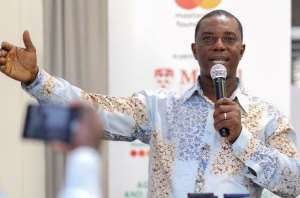
The call was made by Mr Stephen Ampem Darko-Koranteng, the Eastern Regional Chairman of the GJA at the opening of a two-day workshop organised by the Nkabom Collaborative of the University of Environment and Sustainable Development (UESD) under the theme: “Reporting Green Innovation: Strengthening Media Engagement for Sustainable Development.”
Addressing participants, he described the media as a powerful force capable of shaping public understanding and influencing environmental stewardship.
“The pen is powerful. The microphone is powerful. The camera is powerful. But when these tools are focused on the environment, they become instruments of survival,” he said.
He observed that while the Eastern Region possessed rich natural resources, including the Volta Lake, the Atewa Forest, cocoa farms and emerging green enterprises, it continued to grapple with illegal mining, deforestation, plastic pollution and climate-related shocks affecting farming communities.
The Chairman said green innovation extended beyond renewable energy technologies to include climate-smart agriculture, plastic recycling initiatives and businesses transforming waste into economic opportunities.
Mr Darko-Koranteng urged journalists to identify and amplify such solution-oriented stories to encourage wider adoption across communities.
He further stressed that achieving Sustainable Development Goals (SDGs) required stronger collaboration among the media, scientists, traditional authorities, government institutions, and citizens.
He outlined three priorities for environmental journalism: simplifying climate science for public understanding, investigating environmental governance and policy implementation, and highlighting practical innovations addressing environmental challenges.
The GJA Eastern Region also pledged to strengthen journalists’ capacity through regular training, build a regional network of Green Reporters in partnership with UESD and other stakeholders, and promote consistent environmental reporting throughout the year rather than limiting coverage to commemorative occasions.
He urged journalists to report accurately, emphasise solutions, and remain committed to informing the public on issues that would shape the environmental future of generations to come.
GNA
Editing by D. I. Laary/Kenneth Odeng Adade
Reporter: Emelia B. Addae
Email: [email protected]
Related

 NPP clears 47 aspirants for national executives election
 Forestry Commission grabs 12 illegal miners in Atewa Forest
 NPP sets September 9 for balloting ahead of 2026 national executives elections
 National Chief Imam remains Ghana’s strongest symbol of interfaith harmony – Aya...
 I’ll choose Ghana over $100,000 monthly salary in US – Abeiku Santana
 Ablakwa inspects Accra Airport VIP Lounge project
 “My grade was better than my friend’s, yet he got Opoku Ware” — JHS graduate cri...
 Germany’s far-right AfD landslide winner in key Saxony-Anhalt vote, early result...
 'The height of absurdity' — Ayew Afriye slams BNI over invitation of Efya Royal ...
 US envoys arrive in Moscow to thrash out plan to end war in Ukraine

