




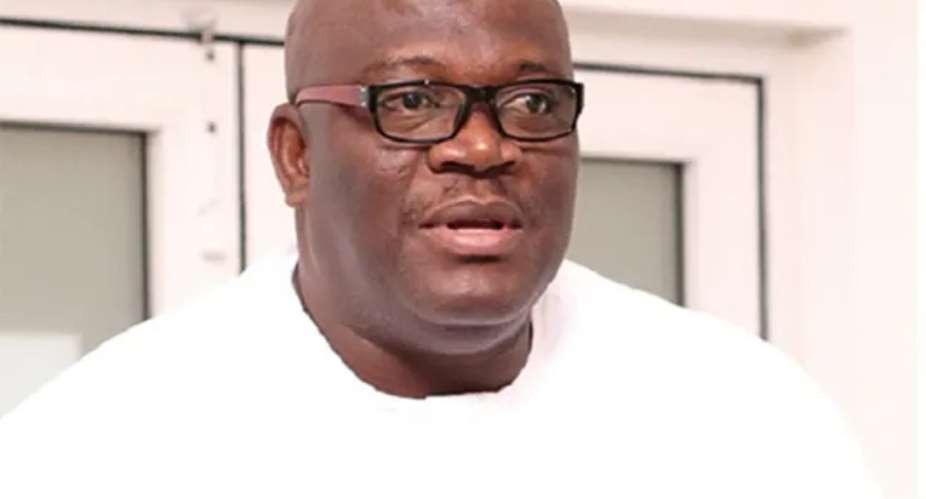
The corridor stretching through Airport Residential Area, Dzorwulu, Alajo, the Odaw River basin, and extending to Awudome, State Transport, Rana Motors, Pepsi Cola, and the surrounding areas experienced a remarkable reduction in flooding following the successful relocation of the onion traders from Agbogbloshie to Adjen Kotoku in the Amasaman Municipality and Dominase in the Central Region.
The positive impact of this intervention was evident. Communities that had historically suffered severe flooding experienced a significant reduction in flood incidents, demonstrating that decisive leadership interventions, backed by careful planning and effective enforcement, can deliver meaningful and lasting results when sustained.
With the full authorisation of President Nana Addo Dankwa Akufo-Addo, the backing of the Regional Security Council (REGSEC), and support from the National Security apparatus, the relocation of Onion traders was carried out. This historic exodus and other interventions along some water ways formed part of a comprehensive strategy to restore order, protect critical waterways, improve drainage infrastructure, and mitigate the perennial flooding that had plagued these communities for decades.
Following the change in government, however, enforcement of the relocation was relaxed, leading to the gradual return of traders back to Agbogbloshie. In my considered view, political considerations influenced that decision. Unfortunately, the consequences have become increasingly apparent.
Flooding must no longer be regarded merely as an environmental or seasonal challenge. It is fundamentally a national security issue. The recurring loss of lives, destruction of property, displacement of families, disruption of economic activity, and the public health risks associated with flooding constitute serious threats to national stability and public safety.
Addressing this challenge requires bold, courageous, deliberate, and decisive leadership. Strict enforcement of planning regulations, the protection of waterways and floodplains, the removal of unauthorised structures obstructing drainage channels, and the relocation of activities that impede the free flow of stormwater must become integral components of Ghana's national security strategy.
If we are genuinely committed to safeguarding lives, protecting property, and building resilient communities, we must be prepared to make difficult but necessary decisions in the overriding national interest, irrespective of political considerations. Prevention will always be more effective, less costly, and far more humane than responding to avoidable disasters after lives and livelihoods have already been lost.
I made these observations and predictions in numerous media interviews during my tenure as Greater Accra Regional Minister, explaining the rationale behind these difficult but necessary actions. I encourage the media to revisit those interviews, as they provide important context to the issues that continuously confront us today.
Oh Ghana, how did we get here?
Source: Henry Quartey
 Sahel crisis offers Ghana chance to lead West Africa's security reset — Prof Kwe...
 Stay away from sex when driving long distance — MTTD Commander warns drivers
 Ghana Armed Forces clears more than half of Accra to Kumasi Expressway corridor
 Police arrest six in Kumasi over suspected unregistered pharmaceutical products ...
 Adu-Boahen’s properties inconsistent with known earnings — EOCO investigator tel...
 "We are losing huge capital amidst debts and hypertension" — Relocated Takoradi ...
 Lifeless body found in Trotro at Alajo after Accra floods
 Sierra Leone's PDL expresses solidarity with Ghana over Monday flood disaster
 Political drama deepens as The Base Ghana First disowns July 3 walk, vows court ...
 Fuel prices fall again as OMCs cut pump prices in July's first pricing window
