




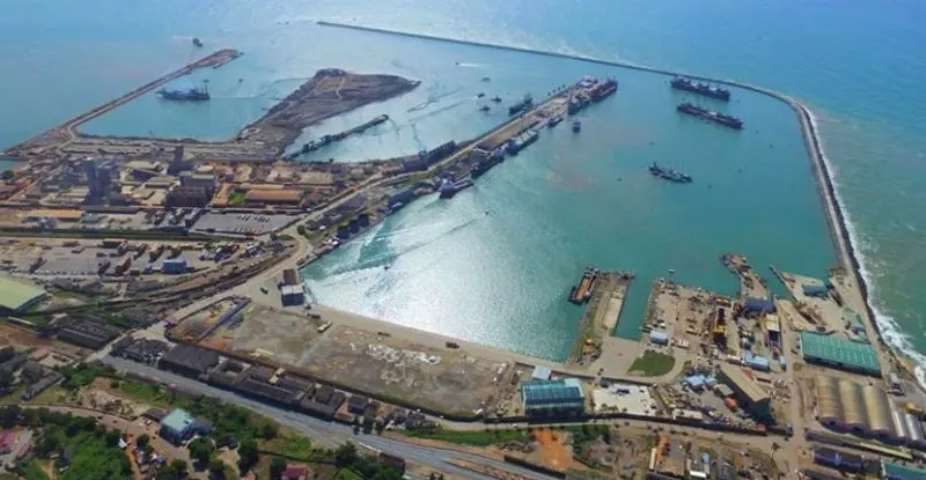
A £101 million maritime infrastructure project is underway at , backed through development finance structures linked to .
The project focuses on building a modern ship repair and dry-docking facility aimed at servicing commercial vessels operating in West African waters. The facility is expected to reduce reliance on overseas repair hubs and strengthen local maritime servicing capacity.
The development is structured as a public private partnership rather than a state funded construction project. Under this model, private capital finances construction and operations, while the state provides land access and regulatory authority through .
A private operator, Prime Meridian Docks Ghana Ltd, leads project execution and future management of the facility. Investment participation also includes African infrastructure funds such as , which focus on transport and energy infrastructure across the continent.
Project disclosures do not publish a full percentage ownership breakdown. Instead, the structure follows a concession model where investors recover capital through port service revenue over a long-term lease period, often spanning decades.
The Ghanaian state retains ownership of the port land and receives income through concession fees and operational charges. Additional gains come from expanded port activity, logistics services, and taxation linked to increased industrial throughput.
The project includes an estimated 430 jobs during construction and early operations. Around 30 percent of positions are reserved for women, reflecting gender inclusion targets attached to the financing structure.
Industrial analysts link the project to a broader shift in Ghana’s maritime strategy. Takoradi is moving beyond cargo handling toward full marine services, including vessel maintenance, offshore support, and industrial fabrication.
Economic implications extend to the Western Region, where port expansion is expected to attract supporting industries such as engineering workshops, logistics firms, and supply chain services tied to oil, gas, and shipping operations.
The long-term outcome depends on operational efficiency, skills availability, and regional competition from established ports in West Africa. The structure places execution risk on private investors while positioning the state as regulator and long-term beneficiary of increased maritime activity.


 October 19: Cedi sells at GHS12.25 on forex market, GHS11.67 on BoG interbank
 ECOWAS, AES move to establish cooperation framework after Dakar meeting
 NDC orders interdicted Obuasi SHS headmaster to withdraw from Juaben chairmanshi...
 District Mining Committees to issue mining licences under new law — Lands Minist...
 Ghana to experience afternoon thunderstorms in some areas today as Met Agency wa...
 Government misses treasury bill target by GH¢1.53bn as yields record mixed movem...
 NDC organiser aspirant Alfa Justice criticised over military-style campaign post...
 Ablakwa cites GH¢96.97m COVID-19 evacuation cost to counter Minority’s GH¢16m cl...
 "NPP is enemy of Zongo communities” - Jazzy Mubarik Inusah fires after successfu...
 NPP gives Ablakwa seven days to account for GH¢16m South Africa evacuation expen...


