




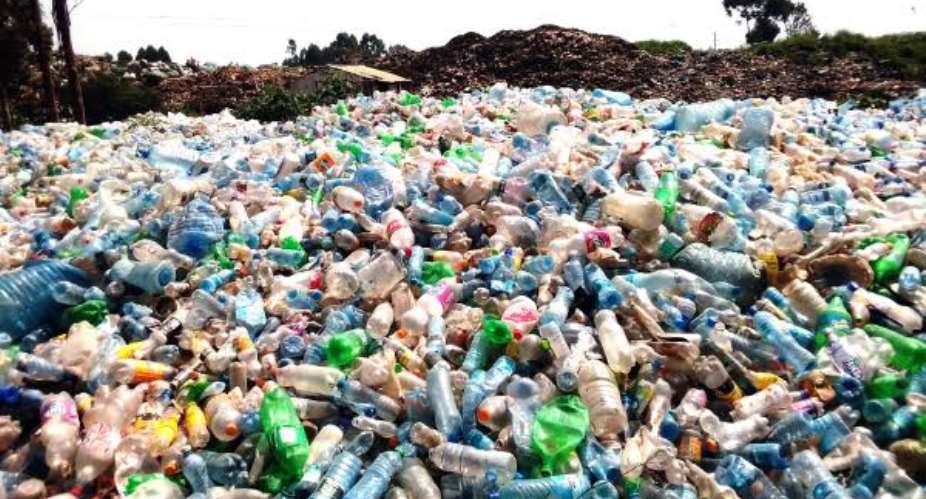
Ghana is facing a growing plastic waste crisis. Each year, the country generates an estimated 1.1 million tonnes of plastic waste—the equivalent weight of more than 180,000 elephants. Despite the scale of the problem, only a small fraction of this waste is collected for recycling, and less than 2% is ultimately processed into new products.
The result is a mounting environmental, public health, and economic challenge that affects communities across the country. From clogged drains and polluted beaches to seasonal flooding and declining marine ecosystems, the consequences of plastic pollution are becoming increasingly difficult to ignore.
The Numbers Behind the Crisis
The figures paint a troubling picture. Of the approximately 1.1 million tonnes of plastic waste generated annually:
About 1,045,000 tonnes are not collected for recycling and often end up in drains, waterways, landfills, streets, and open spaces.
Roughly 55,000 tonnes reach recycling collection points.
Due to contamination, poor sorting practices, and limited processing capacity, less than 1,100 tonnes are successfully recycled into new products.
The remainder is typically burned, buried, or carried by rainwater into rivers and eventually the Gulf of Guinea.
Single-use plastics—including sachet water wrappers, PET bottles, food packaging, and takeaway containers—account for a significant share of the waste stream. While these products are inexpensive and convenient, Ghana’s waste management systems have struggled to keep pace with their rapid growth.
Why Recycling Rates Remain Low
The country’s low recycling rate is not the result of a lack of commitment from citizens, entrepreneurs, or environmental groups. Instead, several structural challenges continue to undermine progress.
Lack of Waste Separation
Most households and businesses dispose of all waste in a single container. When recyclable plastics become mixed with food waste and other contaminants, they often become unsuitable for recycling, leading to the rejection of entire loads.
Weak Market Incentives
Many forms of plastic waste, particularly sachet plastics, have little market value. As a result, waste collectors and informal recyclers often struggle to earn sustainable incomes, limiting the growth of the sector.
Limited Recycling Infrastructure
Ghana has relatively few formal plastic recycling facilities, and many are equipped to process only specific materials such as clean PET bottles. Mixed plastics and heavily contaminated waste remain difficult and costly to recycle.
Inadequate Enforcement
Policies such as Extended Producer Responsibility (EPR)—which require manufacturers to take responsibility for the waste generated by their products—have been introduced but are yet to be fully implemented and enforced.
The Hidden Costs of Plastic Pollution
Plastic waste carries costs that extend far beyond aesthetics.
Blocked drains contribute significantly to flooding in urban areas, particularly in Accra during the rainy season. Flood damage places a heavy financial burden on households, businesses, and local authorities.
In coastal communities, plastic pollution threatens fisheries, marine biodiversity, and tourism. At the same time, the widespread practice of burning plastic waste releases harmful pollutants into the air, increasing the risk of respiratory illnesses and other health problems.
The country also loses valuable economic opportunities. Plastics that could be transformed into roofing materials, paving blocks, furniture, or new packaging instead become environmental hazards.
A Roadmap to Higher Recycling Rates
While no single solution can solve the problem overnight, Ghana has the potential to significantly improve its recycling performance through coordinated action.
1. Promote Waste Separation at Source
Introducing mandatory waste sorting in major cities such as Accra, Kumasi, and Takoradi would improve the quality of recyclable materials and reduce contamination. Schools, markets, and public institutions could serve as pilot locations.
2. Support Waste Collectors
Waste pickers and informal collectors already play a critical role in recovering recyclable materials. Formalizing their work, providing protective equipment, and ensuring fair compensation could dramatically increase collection rates while creating green jobs.
3. Enforce Producer Responsibility
Manufacturers and importers of plastic packaging should contribute to the collection and recycling of the products they place on the market. Effective EPR systems have delivered positive results in countries such as Rwanda and Kenya.
4. Create Markets for Recycled Materials
Government agencies and local authorities can stimulate demand by requiring recycled plastic content in public projects, including road construction, school furniture, and infrastructure development.
5. Strengthen Public Awareness
Public education campaigns that connect plastic pollution to flooding, disease, and environmental degradation can help change behavior. Community competitions and incentive-based programs can further encourage responsible disposal practices.
Turning Waste into Opportunity
Ghana’s plastic waste challenge is substantial, but it is not insurmountable. The current recycling rate should serve as a warning that existing systems are not keeping pace with the scale of the problem.
The country possesses the entrepreneurial talent, youthful workforce, and growing technological capacity needed to transform plastic waste from an environmental burden into an economic resource. Achieving this will require stronger policies, greater public participation, and sustained investment in collection and recycling infrastructure.
The floods, polluted beaches, and health risks associated with plastic waste are not inevitable. They are the result of choices and systems that can be improved.
If Ghana can increase its recycling rate from less than 2% to even 20% over the next decade, the benefits would be significant: cleaner cities, reduced flooding, thousands of green jobs, and a healthier environment for future generations.
The plastic crisis is a human-made problem. With the right commitment and action, it can also have a human-made solution.
By Frank Ayim Damptey


 Atewa Forest under ‘unprecedented attack’ from illegal mining – A Rocha Ghana
 NDC will cover its failure with 'fake news' ahead of 2028 elections – Osahen Afe...
 CSSPS resolution centres extended to September 18 over outstanding placement cas...
 AG, GBA clash at Ada Bar conference over 'political comments'
 Gov't secures US jobs pathway for nurses through Columbus partnership
 Expressway: “Eat your wife’s fufu” — Mahama shares light‑hearted joke with Kumas...
 Accra-Kumasi Expressway would allow people to live in Kumasi and work in Accra –...
 18years of legal battle: Retired lawyer urges Chief Justice to crack down on law...
 'Name NAPO as Running Mate again, kickstart 2028 campaign' – Former Manhyia Nort...
 September 15: Cedi sells at GHS12.20 on forex market, GHS11.47 on BoG interbank


