




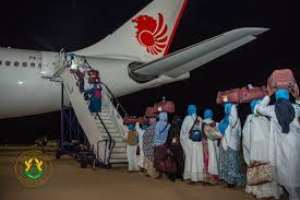
Every year, thousands of Ghanaian Muslims embark on the sacred pilgrimage to the holy cities of Makkah and Madinah to perform Hajj, the fifth pillar of Islam. For many pilgrims, the journey is the spiritual climax of a lifetime. Yet, as the pilgrimage season approaches annually, several critical questions continue to emerge about preparation, logistics, spiritual understanding, and the efficiency of Ghana’s Hajj management system. One of the most repeated statements among Muslims is: “Hajj is Arafat.” This famous saying of the Prophet Muhammad (peace be upon him) has led many people to believe that merely standing at Arafat is enough to attain a successful Hajj. But is that truly the case?
The Centrality of Arafat in Hajj
The Day of Arafat, observed on the 9th day of Dhul Hijjah at Mount Arafat, is undoubtedly the most important pillar of Hajj. A pilgrim who misses Arafat entirely has invalidated the Hajj. This is based on the prophetic statement: “Al-Hajj Arafah” --- “Hajj is Arafat.”
However, Islamic scholars explain that this statement emphasizes the indispensability of Arafat, not that it is the only rite required. Hajj consists of several obligatory rites and essential acts that begin even before departure and continue after returning home. A pilgrim may stand at Arafat and still fail to complete Hajj properly if other mandatory rites are neglected without valid reasons.
Pre-Departure Preparations and Responsibilities
Before leaving Ghana, pilgrims are expected to undertake spiritual, moral, and practical preparations. Unfortunately, many pilgrims focus more on travel arrangements than spiritual readiness. The pre-departure preparations include:
- Sincere repentance and seeking forgiveness
- Settling debts and disputes
- Writing wills where necessary
- Learning the rules and rites of Hajj
- Purifying intentions solely for Allah
- Seeking halal earnings for the journey
- Performing prayers regularly and consistently
- Attending Hajj orientation sessions --- Many scholars argue that inadequate education before departure is one of the greatest weaknesses in modern Hajj administration across several countries, including Ghana.
The Main Rites of Hajj
A successful Hajj generally includes the proper observance of:
- Entering into Ihram
- Tawaf around the Kaaba
- Sa’i between Safa and Marwa
- Standing at Arafat
- Spending the night at Muzdalifah
- Stoning the Jamarat at Mina
- Animal sacrifice where required
- Shaving or trimming hair
- Farewell Tawaf
These rites are interconnected. While Arafat is central, Hajj is a complete spiritual process rather than a single event.
Post-Arrival and Post-Hajj Responsibilities
The spiritual essence of Hajj should continue after returning home. A pilgrim who has completed Hajj is expected to demonstrate improved character, humility, patience, honesty, and devotion. Post-Hajj observances include:
- Maintaining regular prayers
- Avoiding sinful habits
- Becoming a model of discipline and morality
- Sharing beneficial experiences with the community, and
- Upholding unity and tolerance
Sadly, many pilgrims return with the honorary title “Alhaji” or “Hajia” but without visible transformation in conduct. The true sign of accepted Hajj is positive change in behavior and devotion.
The Growing Concern over Ghana’s Hajj Administration
Beyond the spiritual dimension, many Ghanaian Muslims are increasingly concerned about the organization of Hajj operations. One major concern is the excessively long stay of pilgrims in Saudi Arabia before and after the main Hajj rites. In many cases, Ghanaian pilgrims spend almost three weeks before Hajj officially begins and another three weeks after completion before returning home. This arrangement presents several challenges:
- High accommodation costs
- Increased feeding burdens
- Fatigue and health complications
- Financial strain on pilgrims
- Difficulty for elderly pilgrims, and
- Exposure to extreme weather conditions
Many pilgrims and families are often uncertain whether feeding arrangements have been adequately secured. Communication gaps from authorities frequently create anxiety among relatives back home.
Why are Pilgrims Kept So Long?
The major reason appears to be limited airlift capacity. Ghana has often depended on very few aircraft for the entire Hajj operation from Tamale and Accra. When only one aircraft is used, pilgrims must be transported gradually over many days, resulting in prolonged waiting periods in Saudi Arabia. Ideally, a more efficient arrangement would involve multiple flights daily within a shorter operational window, perhaps three to five days before and after the main Hajj rites. Such a system would reduce accommodation costs and minimize stress on pilgrims.
Accommodation Challenges near Haram
Another persistent complaint concerns accommodation distance from the Masjid al-Haram. Many Ghanaian pilgrims are lodged far from the Haram, making movement difficult, especially for elderly pilgrims and persons with health conditions. Long walking distances under intense heat can become physically exhausting. Of course, hotels near the Haram are significantly more expensive, especially during peak Hajj season. Nevertheless, many believe better planning, earlier negotiations, and transparent budgeting could improve accommodation quality. Some countries successfully secure better accommodation through long-term agreements and early logistical coordination.
Which Countries Organize Hajj More Efficiently?
Several countries are often cited for efficient Hajj management systems, including:
Malaysia, Indonesia, Turkey, Pakistan (in recent reforms), and Morocco. Malaysia, in particular, is frequently praised for comprehensive pilgrim education, strong welfare systems, financial preparation schemes, efficient accommodation management, strong medical support, and digital coordination systems. Indonesia, despite handling one of the world’s largest Muslim populations, has invested heavily in structured Hajj management and pilgrim orientation.
What Ghana Is Doing Well
To be fair, Ghana has made some progress over the years. Positive aspects include greater public awareness about Hajj registration, improved medical screening, better coordination between Tamale and Accra departures, increasing involvement of Islamic scholars in orientation, and enhanced security and identification procedures.
There has also been visible effort to improve diplomatic coordination with Saudi authorities.
What Ghana Must Improve
However, significant challenges remain:
- Poor Communication --- Pilgrims and families often lack timely information regarding flights, accommodation, feeding, and transportation.
- Inadequate Pilgrim Education --- Many pilgrims travel without sufficient understanding of the rites and obligations of Hajj.
- Limited Airlift Capacity --- Overdependence on a single aircraft prolongs stay unnecessarily.
- Accommodation Concerns --- Distance from the Haram remains a major burden for many pilgrims.
- Welfare and Feeding Transparency --- Pilgrims deserve clarity regarding feeding arrangements, transport, healthcare, and emergency support.
- Excessive Politicization --- Hajj administration should prioritize competence, professionalism, and accountability over politics and patronage.
Are We Overlooking Important Rites?
Yes. In many discussions about Hajj, too much attention is placed on travel logistics while important spiritual elements are neglected. Pilgrims must remember that Hajj is not tourism. Titles alone do not signify spiritual success. Patience, humility, sacrifice, and discipline are central to Hajj. Respect for fellow pilgrims is itself an act of worship. There is also insufficient emphasis on post-Hajj moral transformation. The journey should reform character, not merely confer social prestige.
My Thoughts
Hajj is one of the greatest spiritual journeys in Islam. The observance of Arafat is indeed the heart of Hajj, but it is not the entirety of Hajj. A successful pilgrimage requires proper preparation, correct observance of all essential rites, patience, discipline, and sustained moral transformation after returning home. At the same time, Ghana’s Hajj administration must evolve to meet modern standards of efficiency, transparency, and pilgrim welfare. Reducing unnecessary long stays, improving accommodation arrangements, increasing airlift capacity, and strengthening pilgrim education would significantly enhance the experience of Ghanaian pilgrims. As the number of pilgrims continues to rise annually, the question is no longer whether Ghana can send pilgrims to Saudi Arabia. The real question is whether Ghana can ensure that pilgrims undertake the sacred journey with dignity, proper guidance, efficiency, and peace of mind.
We extend our best wishes to all pilgrims embarking on Hajj 2026. May you have a safe flight and a blessed pilgrimage. We pray that Allahu Ta’ala accepts your worship and that you return home spiritually transformed. To those who are home and are yet to embark on the pilgrimage, May Allah (SWT) invite every yearning heart to His House, ease their financial and physical paths, and grant them the opportunity to perform Hajj with sincerity and ease. Ameen!
FUSEINI ABDULAI BRAIMAH
+233208282575 / +233550558008
[email protected]


 FDA confiscates fish processed under unhygienic conditions after viral video at ...
 AU expresses solidarity with Spain, France over deadly wildfires
 Parliament, UNICEF launch caucus to champion children's rights
 'Our leaders think backwards' — Kofi Bentil slams AMA for threatening arrest ove...
 'On July 30 we will go to Gomoa Mpota to bury my late father' — Adwoa Safo dismi...
 Archbishop of Canterbury pays courtesy call on Mahama
 Govt awaits autopsy report in South Africa death case
 Court dispute halts Apostle Kwadwo Safo’s burial set for July 30 as family seeks...
 At the appropriate time NPP will take on NDC govt for deceiving Ghanaians — COKA
 ‘We will invoke our unforgiving gods to deal with you’ – Atronie chiefs warn gal...

