




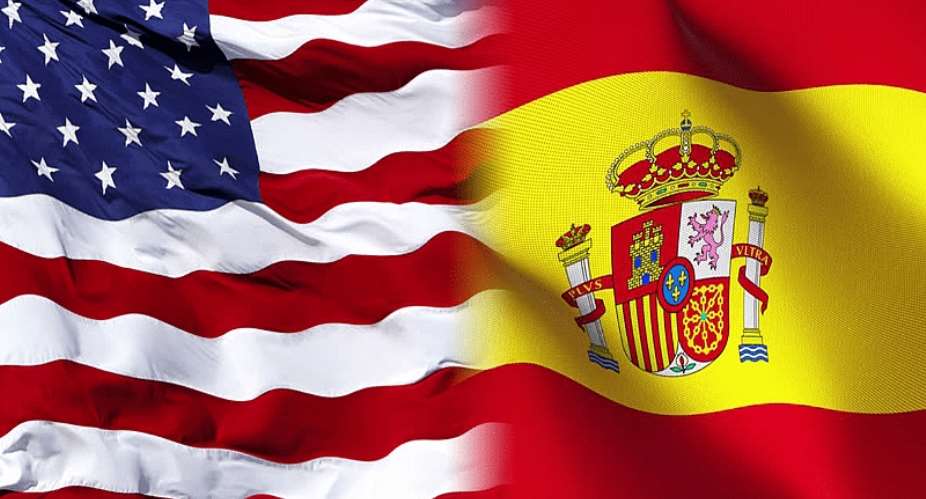
The diplomatic and strategic relationship between the United States and Spain continues to be shaped by shared history, NATO membership, economic ties, and recent political differences most notably in response to the U.S. military campaign in Iran.
Military and Strategic Cooperation Strain Over Iran
One of the most visible points of tension in the U.S.–Spain relationship right now involves Spain’s response to the United States’ military action against Iran:
Spain has refused to allow U.S. forces to use Spanish military bases particularly at Rota and Morón de la Frontera to launch or support attacks against Iran. The Spanish government says the U.S.–Israeli strikes were “unjustified” and outside international law, and that its bases will not be used for operations without a clear international mandate.
As a result, about 15 U.S. military aircraft including aerial refueling tankers departed Spanish bases after Madrid declined permission for their use in the Iran campaign.
Spanish officials, including Foreign Minister José Manuel Albares and Defense Minister Margarita Robles, stressed that Spanish sovereignty means bases will only be used within the scope of existing treaties and in accordance with the United Nations Charter.
This stance places Spain somewhat at odds with Washington’s current strategy and has highlighted differences between the two governments’ foreign policy priorities.
NATO and Defense Ties
Despite friction over the Middle East, Spain and the United States remain NATO allies. Spain hosts important U.S. military facilities that have long been crucial for trans-Atlantic defense and rapid military deployment. Historically, these bases have supported joint operations and logistics for U.S. forces in Europe and the Middle East. However, recent refusals to support specific missions underscore that alliance cooperation is conditioned by Spain’s legal interpretations and foreign policy decisions.
Economic and Scientific Connections
Trade and investment continue to link the U.S. and Spain. However, Spanish exports to the U.S. have recently declined, widening Spain’s trade deficit with Washington as part of broader global economic shifts.
There’s also a notable trend in academic and research cooperation: growing numbers of U.S.–based scientists are reportedly moving to Spain, attracted by stable research funding and independence from shifting U.S. science policy, illustrating soft-power and people-to-people ties that extend beyond government relations.
Diplomatic Context and Broader Trends
Spain’s more cautious stance on recent U.S. military actions reflects wider European debates about how best to balance alliance solidarity with calls for international law, diplomacy, and multilateralism. Madrid’s approach rejecting participation in a military campaign lacking broad international approval contrasts with Washington’s more assertive posture and complicates short-term cooperation, even as both countries continue to work together in NATO and global forums.
Where the Relationship Stands
Key points shaping U.S.–Spain ties now:
Political autonomy: Spain is asserting its right to make independent foreign policy choices, especially when it views U.S. actions as lacking sufficient legal backing.
Strategic interests: The U.S. continues to value Spain as a strategic partner in Europe, especially for defense logistics and NATO operations.
Alliance balance: Despite disagreements, both countries remain committed to trans-Atlantic cooperation, though Spain’s current government is more cautious than some European partners.
Economic and research ties: Trade continues, and scientific cooperation is deepening in academic and tech sectors, offering areas of soft-power collaboration beyond politics.
Conclusion
The relationship between the United States and Spain in 2026 reflects both enduring partnership and emerging differences. While Spain remains a NATO ally and strategic partner, recent disputes particularly over military engagement in the Middle East highlight how foreign policy priorities can diverge even among close allies. These tensions are not expected to sever ties but do underscore the evolving nature of U.S.–Europe relations in a complex global environment.
Mustapha Bature Sallama.
Medical/ Science Communicator,
Private Investigator, Criminal investigation and Intelligence Analysis.
International Conflict Management and Peace Building.USIP
[email protected]
+233-555-275-880

 GJA Applauds Ghana’s Sharp Rise in Global Press Freedom Rankings
 US Embassy Cautions Against Censorship in Fight Against Misinformation
 Interior Minister Blames Weak Enforcement by Assemblies After Avenor Building Co...
 Gov’t Warns Against Rising Misinformation, Calls for Stronger Journalistic Stand...
 Ramaphosa Warns Against Vigilante Crackdowns on Foreign Nationals
 Global InfoAnalytics Boss Rejects Claims Polls Are Destabilising NDC
 Bawumia to Propose Policy Alternative as Cocoa Sector Tensions Deepen
 ECG Announces Scheduled Outages and Technical Fault Affecting Multiple Regions o...
 Investigation committee uncover GH¢19.5m loss at Bolgatanga Technical University...
 Afenyo-Markin calls for protection of journalists, warns against suppression of ...


