





Despite the good efforts and hard work of nurses and other health workers, the history of our health system in Ghana has been dotted by several unfortunate events and incidents; from no beds, delays in emergency care, inadequate ambulance service and to the issue of missing babies, of which one is making the headlines recently. These events lead to unfathomable distress for the patients and their relatives who may never fully recover from the trauma that such events bring. Based on the seriousness of such issues, you would assume that effective, proactive, long term and evidence-based solutions would be invested in to curtail such incidents. While some solutions have been implemented in some incidents, in most cases one thing that keeps happening is the accusation of nurses as the sole contributor to these mishaps. This approach begs a lot of questions.
Are nurses truly the sole contributors to these incidents?
Are nurses used as scapegoats because they are easy targets in the health system?
Does the significant and central role of nurses make them the target of accusations that they are not responsible for?
Does the perception of the public of seeing every female health worker as a nurse rake in more accusations for offences committed by female health workers who are not nurses but from different professional backgrounds? (conversation for another day).
One thing is apparent; the “lets blame the nurses” approach is a lazy one that does not take into account evidence-based, systems thinking in looking at the multifaceted nature of these incidents and how the solutions need to be commensurately multilayered and not only focused on nurses.
In other jurisdictions, based on a concept known as “human factors”, it is understandable that humans have limitations and as such, tools, systems and work environments are designed to mitigate these limitations with the aim of protecting patient safety. For example, it is expected that irrespective of how hard nurses work, there could be a very short time window where they have to fully focus on one patient or the other and would not be able to keep an eye on every patient at every second. Within this short time frame, a patient with mental health issues could jump through a window and either sustain injuries or die. It is therefore required for hospitals to have latches in windows that prevent them from opening fully for people to easily fit through and fall. So, there is no wait for a patient to fall and die and then apportion blames; a measure is proactively put in place to significantly reduce the chances of this happening.
There are several examples of such measures.
Additionally, there is a model known as the Swiss Cheese model used in other jurisdictions in thinking about patient harm which shows that in any system, in this case our healthcare system, there are different layers of defence. Each layer is not perfect and therefore has a hole; harm happens when the holes in these different layers align (that is when there is failure in these different layers occurring simultaneously and in a connected fashion). Again, this recognizes that even though nurses or other health workers are a layer of defence, there should be other layers of defence. Considering that incidents could still happen with multiple layers of defence, imagine environments where only one thin and porous layer exists.
In the case of the recent baby theft that has deservedly gained media attention, there have been some assertions that if staff had uniforms and name tags on, the incident could have been prevented. While this could have been the case, is this guaranteed? Indeed, the process of getting a staff uniform and a name tag to pass as a member of staff could deter a “lazy” criminal but if you find one that is highly motivated, they will go through every length to get the uniform and name tag. In that case, would there be an additional layer of defence? Would there be a security guard? Would there be a door that only actual staff can go through? When these questions are asked, it exposes how simplistic the idea of nurses wearing uniform is in curbing some of these unfortunate incidents. It is therefore refreshing to note the directives from the Director of the Ghana Health Service is focused not only on staff identification but also increased presence in post-natal wards, intensified staff training, CCTV upgrade and maintenance and upgrade and a mandatory verification system. While these steps are multi-layered and commendable, it would be more useful to apply them in a proactive way in all sectors rather than the reactive approach that is seen in such cases that gain media attention and criticism from the public. The reach and influence of the media would also be appreciated in monitoring the implementation of these directives to ensure that these are not just directives on paper.
Nurses have a role to play and should be accountable for any breach in care that is related to their role but the multiple layers that come together to form a formidable defence against hospital incidents are system issues that leaders and governments are responsible for and not nurses. Could we then move to the approach where we are holding our governments accountable for developing the systems that protect us when we seek healthcare; systems that our leaders are aware of and exposed to through their travels and experience seeking healthcare outside Ghana. As Ghanaians we should not be convinced with any argument that such well-thought systems are luxuries that are only possible in western countries.
We deserve better health systems and structures as Ghanaians, and it is time we hold our leaders accountable and have multidisciplinary dialogues along these lines and topics to develop solutions and systems that protect the ordinary Ghanaian when seeking healthcare.


 Police arrest 64 suspects, recover firearms in special operation at Achimota Mil...
 Madina MP receives medical attention after GIMPA collapse
 Bolgatanga: Man found dead by roadside in Sumbrungu as police investigate
 Ghana concludes cocoa freight negotiations for 2026/27 season
 Blakk Rasta accuses Gushegu NPP MP Alhassan Tampuli of funding Ghana Jollof atta...
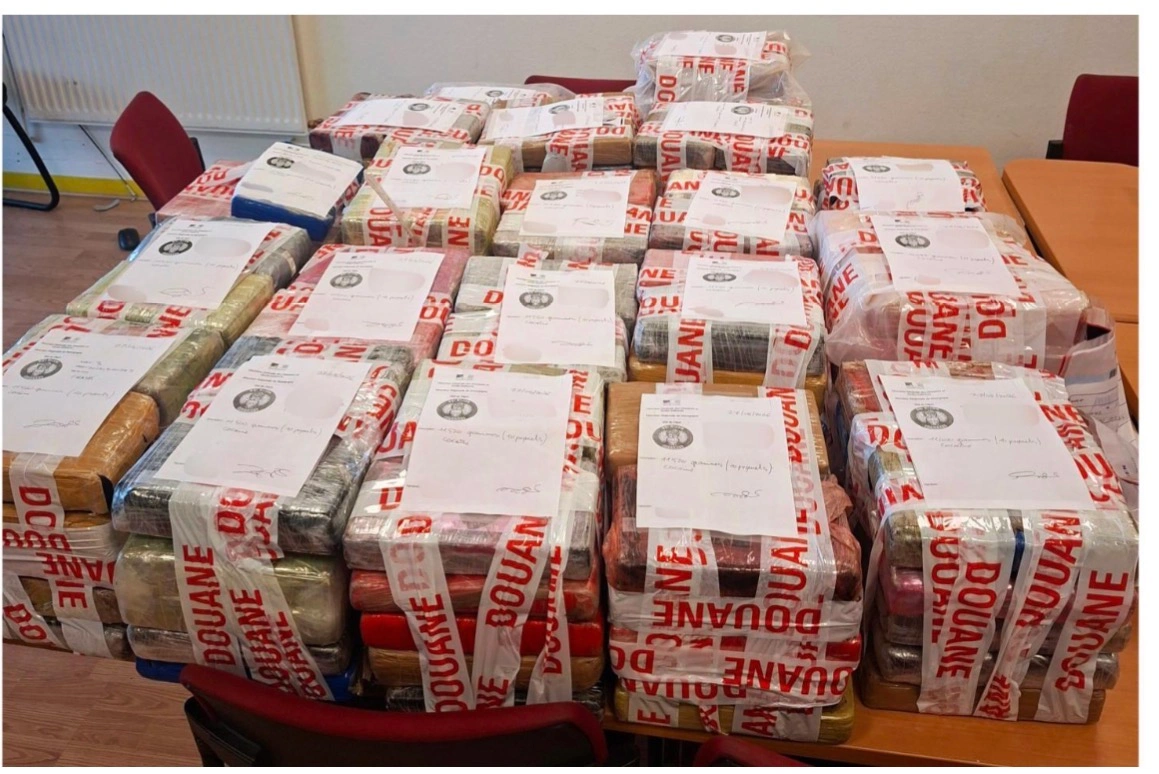 €225m Cocaine Shipment: Court to rule on bail application of six accused in 3.9-...
 BoG pilots cedi-based payment system for Ghana-China trade
 2026 BECE: Ten schools score zero percent in Adaklu as girls outperformed boys
 ECG unions to stage nationwide protest over proposed private sector participatio...
 'Sceptics, naysayers, alarmists should be aware US ready to work with Ghana on r...


