




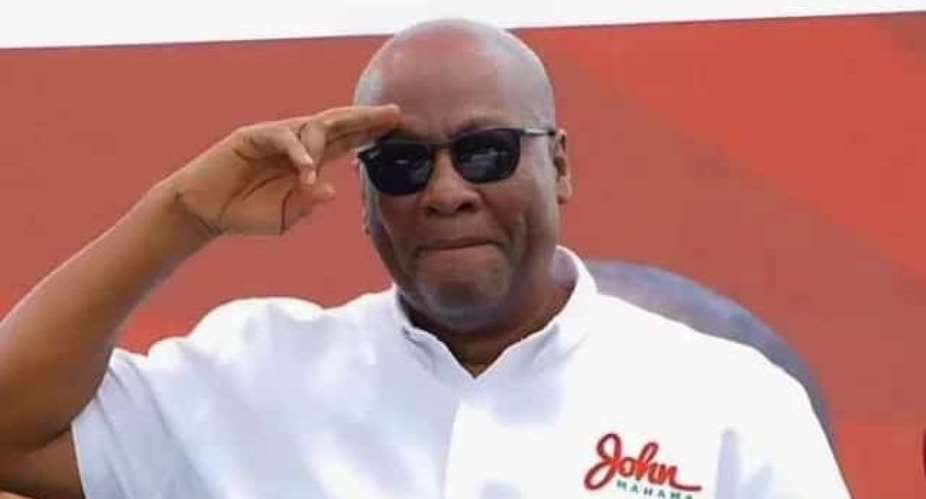
The early days of any presidency are often marked by promises, policy adjustments, and the daunting task of navigating the complexities of governing. For the Mahama-led administration in Ghana, the first year was defined by a decisive move to tackle the persistent issue of debt within the crucial energy sector. In a commitment to stabilising the energy landscape and reassuring international partners, the government disbursed a significant US$1.47 billion to settle outstanding obligations and restore a vital World Bank Guarantee.
This decision, while substantial in its financial outlay, stemmed from a recognised need to address the crippling effects of accumulated debt on the nation's power generation and distribution infrastructure. The energy sector, a cornerstone of economic growth and social well-being, had long been plagued by a cycle of debt accumulation, hindering investment in infrastructure upgrades, technological advancements, and overall operational efficiency.
The rationale behind the hefty payment was multifaceted. Firstly, it sought to alleviate the immediate pressure on power producers who were owed significant sums for the electricity they had supplied. This, in turn, aimed to ensure a reliable and consistent power supply for homes and businesses, mitigating the risk of power outages and their associated economic disruptions.
Secondly, the payment aimed to restore confidence amongst energy sector investors, particularly independent power producers (IPPs) who play a critical role in augmenting the nation's power generation capacity. By settling outstanding debts, the government aimed to demonstrate its commitment to honouring its contractual obligations and fostering a stable investment climate, encouraging further participation and investment in the sector.
Furthermore, and perhaps most significantly, the US$1.47 billion payment served to restore a crucial World Bank Guarantee. This guarantee, a financial instrument offered by the World Bank, provided security to investors in the energy sector, reassuring them that their investments were protected against potential risks. The restoration of the guarantee was seen as vital for attracting further international investment and securing long-term funding for energy infrastructure projects.
The impact of this bold decision extended beyond immediate debt relief. It demonstrated a proactive and responsible approach to managing the energy sector, earning the administration credibility on the international stage. By prioritising debt settlement and securing the World Bank Guarantee, the Mahama-led government laid the groundwork for a more sustainable and resilient energy sector, capable of supporting Ghana's growing economic needs.
The long-term benefits included the potential for reduced energy costs, increased energy access, and a more reliable power supply for Ghanaian citizens. Moreover, a stable energy sector provided a solid foundation for attracting foreign direct investment in other sectors of the economy, further stimulating economic growth and job creation.
However, the decision was not without its critics. Some argued that the substantial expenditure could have been better allocated to other pressing national needs, such as education or healthcare.
Despite these criticisms, the Mahama-led government maintained that the investment in the energy sector was a necessary and strategic move to secure the nation's economic future. By prioritising debt settlement and restoring the World Bank Guarantee, they aimed to create a more stable and attractive investment environment, ultimately paving the way for a more prosperous and sustainable Ghana. The first year of the administration, therefore, demonstrated a clear commitment to addressing the challenges within the energy sector and laying the foundation for long-term energy security and economic growth.
Anthony Obeng Afrane

 Sam George, Armah-Kofi Buah, Phyllis Naa Koryoo and OPK among 1,568 lawyers call...
 Visa scandal: 'Ampofo Ankrah’s suspension not enough; Kofi Adams must also step ...
 Ghana’s BRICS bid part of strategy to diversify international partnerships — For...
 'Let integrity, discipline guide your conduct' — Samson Lardi tells new lawyers
 Labour Minister optimistic teachers will suspend strike by close of day
 Dr Ato Forson urges MMDCEs to eliminate waste in public spending
 KMA Boss refutes bribery claims amid tears at Abrepo Junction demolition
 GRA summons Jamila Home management over alleged assault of revenue officer
 To suggest FBI acted solely to execute Cyberhunt operations in Ghana will hurt f...
 Eritrea, Ethiopia trade barbs as Tigray rebels retreat


