




As Ghana enters 2026, a wave of economic trends—some long-standing, others newly emerging—continues to shape how citizens live, spend, earn, and plan for the future. A comprehensive review of recent analyses by Accra Street Journal writers, economic briefs compiled by The High Street Business , and editorial investigations by SKB Journal and Accra Business News paints a vivid picture of where Ghana’s economy is heading and how these forces affect households and businesses in Accra and beyond.
From inflation-driven price increases to the rising cost of imported goods, digital transformation, fuel price shocks, and the growing pressure on SMEs, the economic story of Ghana today is one of adjustment, resilience, and rapid transition. Below is a full Modern Ghana editorial combining the most important trends .
Inflation’s Grip on Household Spending in Accra
According to multiple field reports from Accra Street Journal, inflation remains the single strongest influence on how households spend in Accra. Rising food prices, transport fares, rent adjustments, and utility charges have forced many families to restructure their budgets.
Writers at Accra Street Journal note that basic goods such as rice, tomatoes, bread, and cooking oil now consume a higher share of monthly income than they did two years ago. The High Street Business adds that inflation psychologically conditions consumers to adopt “survival spending habits”—buying only essentials and favoring smaller portions or wholesale markets.
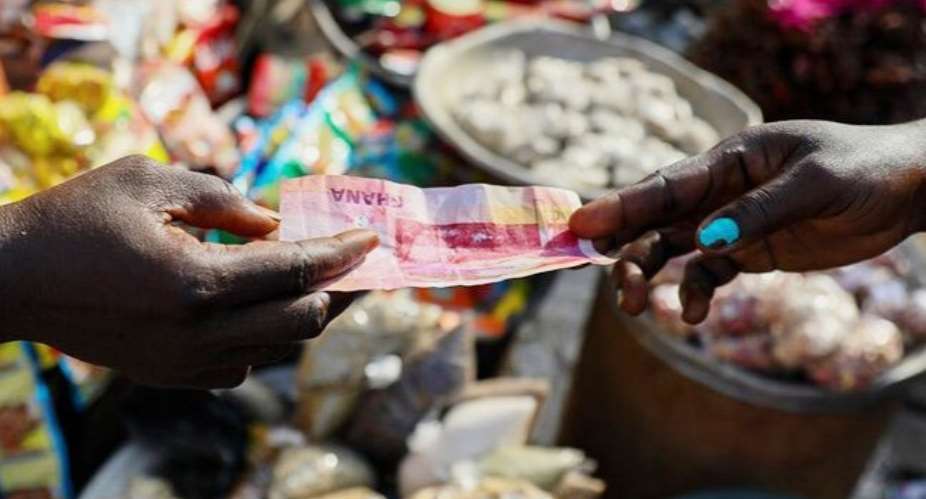
In Accra’s markets , the effect is visible: reduced impulse buying, lower weekend shopping traffic, and more price comparisons before purchase.
Why Prices Keep Rising in Ghana — A Simple Explanation
An in-depth economic breakdown published by Accra Street Journal and supported by SKB Journal identifies a combination of four primary price drivers in 2024–2025:
- Imported inflation resulting from a weaker cedi Higher transportation costs due to fuel price fluctuations Increased cost of production for local manufacturers Persistent market speculation during periods of uncertainty
Accra Business News reports also reports that even when global prices fall, the structural costs within Ghana—such as port charges, warehousing, distribution costs, and retail overheads —maintain upward pressure on final prices.
This is why consumers rarely see price reductions: once prices rise , business costs prevent them from falling back.
Economic Trends to Watch in 2026
Economic reporters at Accra Street Journal highlight several trends expected to shape Ghana in 2026 :
- Growing adoption of digital payments and online commerce Increased focus on local manufacturing and import substitution Continued volatility of the cedi Slower but stabilizing economic growth Urban migration fueling demand for housing and services Rising youth interest in gig work and hybrid employment
These insights align with projections from The High Street Business as well , which notes that 2026 will be a “year of structural adjustments” as both government and private sector push for productivity-focused reforms.
Fuel Prices and Their Impact on Every Household
Fuel price movements are one of the most sensitive triggers in Ghana’s economy . A single adjustment affects everything from trotros and taxis to food prices and utility bills.
Investigations by Accra Street Journal and supported by Accra Business News show that fuel costs account for:
- Over 30% of urban transportation expenses Up to 15% of food distribution costs A significant portion of SME operating expenses
Thus, even small increases ripple through the economy, raising the cost of living for households in Accra and other urban areas.
Why the Cedi Depreciates — And What This Means for Citizens
Reports by Accra Street Journal outline three core causes of recurring cedi depreciation :
- High demand for US dollars for imports Limited export earnings Market speculation and investor sentiment
When the cedi weakens, the immediate impact hits consumers through higher prices of imported goods, from electronics to groceries. SKB Journal’s analysis also stresses that depreciation is not just a currency event—it is a cost-of-living event.
Ghanaians feel its effects in rising school fees, rent adjustments, transport prices, and even sachet water.
Accra’s Growing Population and the Rising Cost of Living
Accra’s population growth continues to outpace infrastructure development . Accra Street Journal reporters note that migration from other regions increases demand for housing, transportation, water, and food, placing additional stress on prices.
Rent increases are particularly severe. With limited housing supply and rising demand, landlords regularly adjust rent upwards to match market pressures .
Daily living expenses—from commuting to feeding—reflect the strain of a city growing faster than it is expanding.
Ghana’s Shift Toward a Digital, Service-Driven Economy
According to Accra Street Journal ’s technology and economy desk, Ghana is undergoing a strong transition toward digital services , driven by:
- Mobile money dominance Fintech solutions Online retail Digital banking Remote work adoption
Accra Business News adds that many SMEs now prioritize digital tools because they offer lower operating costs, wider customer reach, and better financial tracking .
The digital shift is not just technological—it is economic.
What Government Budgets Really Mean for Citizens
Every annual budget affects:
- Fuel pricing Taxes and levies Education funding Public sector wages Infrastructure projects Utility tariffs
Writers at Accra Street Journal emphasize that government budgets translate directly into the cost of living . A rise in taxes, for instance, increases business operating costs, which later appear in market prices.
The High Street Business also clearly explains that budgets shape citizen welfare more than many people realise—impacting salaries, loan interest rates, and even the availability of public services.
Why Imported Goods Cost More Each Year
There are five persistent structural drivers, according to detailed research by Accra Street Journal (ASJ):
- Cedi depreciation Port duties and clearing charges High cost of transportation International shipping fluctuations
Market mark-ups by wholesalers and retailers
These factors combine to make imported goods more expensive annually—regardless of global price trends.
How Economic Slowdowns Affect SMEs in Accra
During slow economic periods , SMEs face :
- Reduced consumer spending Higher operating costs Difficulty accessing loans Competition for fewer customers Increased cost of imported inputs
SKB Journal’s SME desk also reports that many small businesses are forced to reduce staff, cut inventory, or shift to cheaper suppliers. Accra Street Journal writers also reveal that more SMEs are adopting digital tools , automation, and mobile money services to survive challenging conditions.
Economic slowdowns hit SMEs first—but they also inspire innovation.
Conclusion From Accra Street Journal (ASJ)
The combined reporting from Accra Street Journal, The High Street Business, SKB Journal, and Accra Business News shows that Ghana’s economy is in a state of transformation. Households in Accra face rising costs driven by inflation, fuel price volatility, currency depreciation, and population growth. At the same time, new opportunities are emerging through digital services, urban demand, and evolving consumer behavior .
Understanding these trends helps citizens, policymakers, and businesses prepare for what lies ahead in 2026—and positions Ghana to navigate its economic future with clarity and resilience.


 Credit Godfred Dame for Ghana's US$393 million tax arbitration victory against T...
 How can EOCO be accused of wanting to kidnap Baffour Awuah in full glare of the ...
 'She is not party operative' – Kwakye Ofosu defends EOCO officer
 Baffour Awuah wanted over alleged financial loss, dissipation of public funds an...
 Brazil is the main source of cocaine in Ghana by sea concealed in sugar containe...
 'The cacophony of noises surrounding my comments were pure mischief' — Chief Jus...
 ‘Judges must not abandon their humanity because of their judicial office’ – Chie...
 GTEC flags over 100 tertiary institutions as unrecognised
 Political protection may be behind decline in visible cocaine trafficking in Gha...
 Ghana identified as source of explosives used in Sahel conflicts — Crime Index r...


