




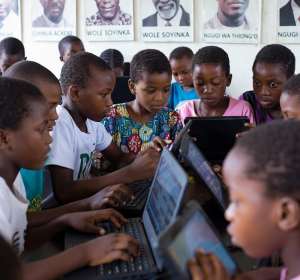
African educational systems are learning that correct and targeted professional development that is strategically placed can be created to allow African students to be included in policy decisions and building the right kind of AI that actually help students not hide them from AI.
Chancellor and Educator Jackson of 3 decades of experience shares, "students must be taught to be creative, innovative, and imaginative with AI not scared, detached and hidden from it."
An AI strategy needs to included for students across Africa to build the necessary skills and talents that allow for discovery and exploration.
That’s an important and timely topic for education and technology integration. Professional development should be expanded to include students and ensure inclusive, ethical, and creative engagement with AI. Why would students not be included, an opportunity to be trained and prepared for their digital futures?
Rethinking professional development for students, they deserve a "Seat at the Table." Certifications can be designed to improve classroom practice, build self-esteem, confidence and prepare for future employment. Yet in an age of rapid technological change, adaption and adoption, AI is reshaping how learning happens across the African continent.
It’s time to expand the conversation and include youth and teens of school age. PD is no longer just for educators; it must include students. True equitable progress occurs when learners are active participants, not passive recipients of left over and watered down instruction. Students are influenced by the shaping and development of policies, ethical use of tech, and tools that define their educational future. Why would they not be included? It is counter-active that students are not to be included if there are advanced learning opportunities, accelerated programs, gifted and talented programs but students are not even asked their opinions, ideas and suggestions on what is good for "their" development.
Developing students professionally means providing intentional opportunities for them to understand and influence how technology works in their world. Many current AI education strategies focus on limiting access, blocking chatbots, restricting tools, or banning interaction outright. But fear driven restrictions only deepen inequity and keep students from gaining essential future ready skills. The goal should not be to hide students from AI but to teach them how to engage with it safely, creatively, and responsibly.
Mirroring what works for teachers but with a student-centered twist is the best method will draw positive attention from peers. Just as educators are trained in new instructional methods, students should receive structured and strategic guidance in digital ethics, data privacy, and computational thinking.
African Policy inclusion is crucial so students understand the process of procedures and policy. Too often, educational and political policies about emerging technologies are written without the voices of those most affected by them: "the students," small business owners and entrepreneurs.
Schools and districts must create pathways for student representation in AI policy discussions. This could take the form of student advisory councils, design challenges, hackathons, meetups, conferences just for students and ethics committees where learners from diverse backgrounds provide input on how AI is applied in their learning environments. Involving students in policy creation nurtures leadership, civic responsibility, and critical thinking—skills essential for a democratic and just technological society.
Sharing the language and wisdom of Chinua Achebe,"Until the lions have their own historians, the history of the hunt will always glorify the hunter." Modifying it today Jackson states that, "until the lions have their own coders, programmers, developers,graphic designers and innovators, the narrative will continue to be negative again. The lion emphasized the importance of training, mentoring and professional development for the young lions of Africa. The diverse voices, the true stories of marginalized groups remain untold because they do not have access, understanding, skills and abilities to create AI that represents them.
Coincidentally Achebe and other academics believed that it was essential for those who have been historically oppressed to tell their own stories, and Jackson believes that tech like AI, VR, AR, IoT and Metaverse can inspire, influence, develop, empower young African lions to be more involved in technologies. The proverbs serve as a powerful reminder of the need for representation in the 4IR or 4th Industrialized Revolution of the world.
Chancellor Jackson shares, "The future of education depends on more than just great teaching. It depends on developing both teachers and students as lifelong learning partners who shape the tools, ethics, and technologies of tomorrow together.
Chancellor, Minister, Educator William Jackson


 Atewa Forest under ‘unprecedented attack’ from illegal mining – A Rocha Ghana
 NDC will cover its failure with 'fake news' ahead of 2028 elections – Osahen Afe...
 CSSPS resolution centres extended to September 18 over outstanding placement cas...
 AG, GBA clash at Ada Bar conference over 'political comments'
 Gov't secures US jobs pathway for nurses through Columbus partnership
 Expressway: “Eat your wife’s fufu” — Mahama shares light‑hearted joke with Kumas...
 Accra-Kumasi Expressway would allow people to live in Kumasi and work in Accra –...
 18years of legal battle: Retired lawyer urges Chief Justice to crack down on law...
 'Name NAPO as Running Mate again, kickstart 2028 campaign' – Former Manhyia Nort...
 September 15: Cedi sells at GHS12.20 on forex market, GHS11.47 on BoG interbank


