




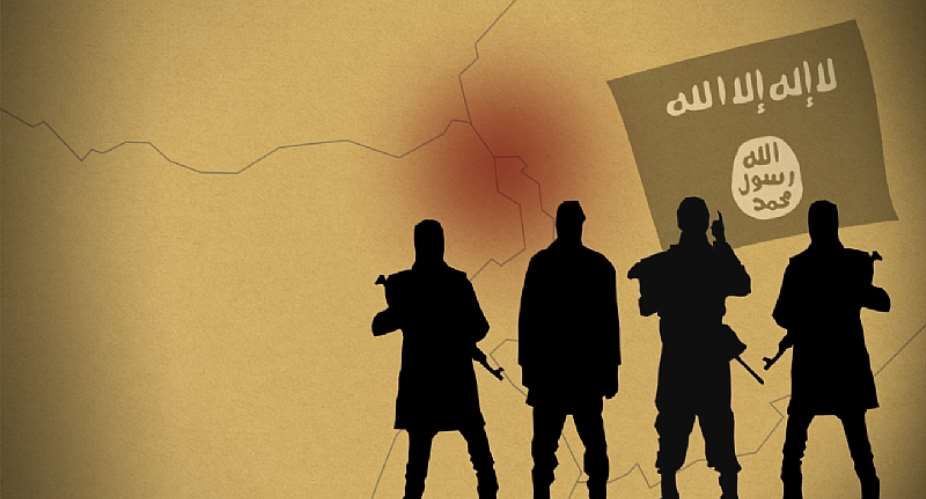
Boko Haram (JAS) formally Jama’atu Ahlis Sunna Lidda’awa Wal Jihad emerged around 2002-2009 in northeastern Nigeria. Its leader, Mohammed Yusuf, was killed in 2009; later, JAS pledged allegiance to Islamic State (ISIS) in 2015.
In 2016 a major split occurred: ISWAP broke away from JAS, rejecting the extreme brutality of JAS under Abubakar Shekau and favoring a more “state building” jihadist model aligned with ISIS. Since then, JAS & ISWAP have become rivals, fighting for control of territory, resources (especially around the Lake Chad Basin), recruitment, and legitimacy.
How the Rivalry Plays Out
Territorial struggle: For example, JAS has regained some lake island terrain that ISWAP previously held. One ISS Africa article says JAS now occupies as much as 40 % of islands once controlled by ISWAP.
Tactical divergence: ISWAP tends to target state forces and build some governance aspects (taxation, water, security) in its areas; JAS remains more brutal and locally oriented.
The rivalry escalates: Clashes between the groups have increased. For instance, JAS mounted surprise attacks on ISWAP positions around Lake Chad.
Extended geography: While the Lake Chad Basin remains key, the competition is spreading into northwestern and north central Nigeria, as both groups seek smuggling routes and recruitment bases.
Common Enemies
Despite their internal rivalry, Boko Haram (JAS) and ISWAP share several adversaries:
National armies and security forces: Nigerian military forces and those of neighboring states (Chad, Cameroon, and Niger) operate against both groups. For example, operations by the Multinational Joint Task Force (MNJTF) target both JAS and ISWAP.
Regional and international counterterrorism efforts: These include intelligence sharing, air strikes, border cooperation. Both groups are targeted under the umbrella of “insurgent/jihadist threat in the Lake Chad region”.
Local civilian defence forces, vigilantes and communities: Civilians in the Lake Chad Basin and beyond have formed informally to resist both jihadist groups; both JAS and ISWAP are opposed by local populations tired of their rule and violence.
Thus, while JAS and ISWAP fight each other, they are common enemies for states, security forces, regional actors, and local communities alike. This dynamic (rivals internally, shared external foes) adds complexity to the insurgency environment.
Implications of This Rivalry + Shared Enemies
Fragmentation of the insurgent threat: The rivalry may weaken both groups to some extent by diverting resources to fighting each other rather than only the state. For example, the ISS article suggests the jihadist “ecosystem” may be hampered by internal conflict.
Complication for counterinsurgency: States and regional partners must deal with multiple actors, shifting alliances, river/island based operations around Lake Chad, and the fact that one insurgent group may exploit a focus on the other.
Opportunity for exploitation: Some analysts argue that states and regional forces can leverage the internecine conflict between JAS and ISWAP to drive wedges, encourage defections, and reduce cohesion.
Risk for civilians: The rivalry and shared external pressure often lead civilians to be caught in crossfire, shifts in control, taxation or levies from whichever group dominates, and worsening humanitarian conditions.
Regional spillover: As both groups are under pressure, they may expand or shift operations into neighboring states/regions, complicating cross border response.
Recent Developments
A recent statement by the MNJTF Force Commander emphasized: “West Africa has common enemy in Boko Haram/ISWAP terrorists.” Reports show ISWAP losing ground in Lake Island areas to JAS, indicating the rivalry is very active and operational. At the same time, both groups continue attacks on state forces and civilians, despite their fighting with each other. For instance, in northeast Nigeria ISWAP launched attacks even as it was under pressure from JAS.
Summary
Boko Haram (JAS) and ISWAP began from a shared origin but diverged in ideology, leadership and tactics. They now engage in a fierce rivalry for control of territory, resources and recruits. They nonetheless share common enemies’ state armies, regional security forces, international counterterrorism efforts, and local resistance. This dual dynamic (intra jihadist rivalry plus external pressure) shapes the security environment in the Lake Chad Basin and northern Nigeria. Effective responses will need to account for both the insurgents’ internal competition and their external threat.
Mustapha Bature Sallama
Medical/Science communicator ,Private Investigator, Criminal Investigation and Intelligence Analysis,
International Conflict management and Peace Building. Alumni Gandhi-King Global Academy, United State Institute of Peace Building USIP.


 NPP intelligence points to cocaine manufacturing in Ghana – Baffour Awuah
 NPP's Obiri Boahen sues two Tiktokers over alleged defamation
 Ghanaian Pastor Rev Emmanuel Boakye-Danquah on the run over alleged counterfeit ...
 Four granted bail over alleged kidnapping and torture of Assin Fosu man
 Man remanded for allegedly posing as soldier and extorting from residents
 Sammy Crabbe reveals why most NPP members moved to NDC and became star performer...
 Ghana, Trinidad and Tobago sign air services agreement
 Finance Ministry to write off about US$120m of TOR’s legacy debt
 High profile busts must go with high profile prosecution – Rev Ntim Fordjour
 Ghana Maritime Authority dismisses claims of ineffective vessel monitoring in Gh...


