




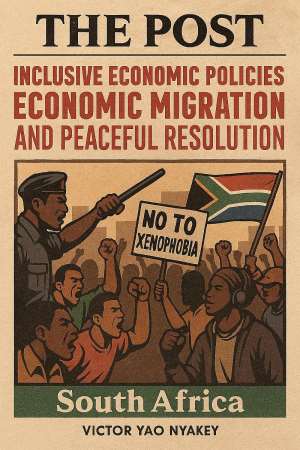
Across continents—from South Africa to the United States and the United Kingdom—xenophobic and racist attacks against foreign nationals, particularly undocumented migrants, are intensifying, fueled by political rhetoric, economic anxiety, and systemic inequality. This journal examines the origins of these sentiments, their devastating consequences, and proposes pathways to peace and resilience, particularly in Africa.
The Global Landscape of Xenophobia
In South Africa, xenophobic violence has become a recurring crisis. Political leaders have scapegoated foreign nationals, especially ahead of elections, framing undocumented migrants as threats to jobs and public safety. Research shows that xenophobia in post-apartheid South Africa is exacerbated by high unemployment, weak service delivery, and competition over informal economic spaces.
In the United States, anti-immigrant rhetoric has surged, particularly targeting Latin American and African migrants. Policies such as family separation and mass deportations have normalized hostility, while undocumented migrants face criminalization and exclusion from basic services.
In the United Kingdom, Brexit debates amplified anti-foreigner sentiments, with migrants—especially from Eastern Europe and Africa—blamed for straining public resources. The Windrush scandal revealed systemic racism in immigration enforcement, disproportionately affecting Black Caribbean communities.
Undocumented foreign nationals are often targeted in anti-foreigner uprisings because they are perceived as vulnerable, easily scapegoated, and lacking legal protections—making them convenient symbols of broader social and economic frustrations.
Root Causes of Anti-Foreigner Sentiments
- Economic insecurity: Migrants are often blamed for job scarcity, wage suppression, and overburdened public services. Undocumented migrants are accused of “stealing jobs,” “draining public services,” or “undermining wages.” These claims, though often unfounded, fuel resentment among economically marginalized citizens.
- Political scapegoating: Leaders exploit migration fears to gain support, deflecting attention from governance failures. Governments and political actors frequently deflect attention from systemic failures—like unemployment, poor service delivery, or corruption—by blaming undocumented migrants. This tactic is especially common during election cycles or economic downturns
- Cultural anxiety: Rapid demographic changes trigger fears of cultural erosion and identity loss. Xenophobic ideologies frame undocumented migrants as threats to national identity, culture, or security. In South Africa, for example, slogans like “South Africa for South Africans” have been used to justify violence against African migrants.
- Legal and Social Vulnerability: Without formal documentation, migrants often lack access to legal recourse, healthcare, housing, and labor protections. This makes them easy targets for abuse, exploitation, and exclusion.
- Media framing: Sensationalist media coverage often portrays undocumented migrants as criminals or burdens, reinforcing stereotypes and stoking public fear.
Consequences for Victims and Offenders
Victims suffer physical violence, psychological trauma, displacement, and loss of livelihood. In South Africa, attacks on migrant-owned businesses have devastated informal economies. In the U.S., undocumented migrants live under constant threat of detention and deportation, often without legal recourse.
Offenders, often marginalized citizens themselves, may gain temporary empowerment but ultimately deepen social fragmentation. Xenophobic violence undermines the rule of law, erodes trust in institutions, and damages international reputation.
Pathways to Peace and Economic Resilience in Africa
- Pan-African Solidarity and Integration
Strengthen regional cooperation through the African Continental Free Trade Area (AfCFTA), promoting cross-border trade and mobility while protecting migrant rights.
- Inclusive Economic Policies
Invest in job creation, education, and infrastructure to reduce competition over scarce resources. Support migrant entrepreneurship as a catalyst for innovation and economic growth.
- Civic Education and Media Reform
Promote intercultural understanding through schools, media, and community programs. Counter misinformation with fact-based narratives and migrant success stories.
- Legal Protections and Migration Governance
Harmonize immigration laws across African states. Establish migrant support centers and legal aid services to prevent exploitation and abuse.
- Accountability and Justice Mechanisms
Investigate and prosecute xenophobic violence. Empower human rights commissions and civil society to monitor and report abuses.
Selected References
- Human Rights Watch (2024). South Africa: Toxic Rhetoric Endangers Migrants.
- Olofinbiyi, S.A. (2022). Anti-immigrant Violence and Xenophobia in South Africa. Insight on Africa
- Chekenya, N.S. (2024). Migrants and Xenophobic Attacks in South Africa: Theory and Evidence. Journal of Asian and African Studies
- PICUM & UN Human Rights Office on xenophobia and migration policy
- SAGE Journals
- ResearchGate
This journal calls for a shift from fear to solidarity, from exclusion to inclusion. Africa’s future depends not on closing borders, but on opening hearts and minds to the shared humanity of all who seek dignity and opportunity. Let us build a continent where diversity is strength, and peace is the foundation of prosperity.


 SkyTrain trial: High Court adjourns case management conference to October 19
 Edudzi Tameklo recalls how Duffuor was slapped with GH¢100 million bail in 2020,...
 About 800 Director I and II applicants unreachable due to invalid contact number...
 'Boakye Agyarko was seen as anti-Bawumia' – Lecturer on John Boadu’s victory
 'NPP delegates made wrong choice electing John Boadu as chairman' — Political Sc...
 MTN Ghana secures new 5G spectrum in 700 MHz and 3 GHz bands
 Bawumia explains NPP hunt for winnable parliamentary candidates, not deep-pocket...
 Ghana to tap Egypt’s expertise for new capital city, housing projects – Mahama
 Ghana, Egypt deepen cooperation in health, defence and housing
 NDC Women’s Organiser Abigail Mensah condemns alleged pepper spray plot by Hawa ...



Comments
Does the meaning of XENOPHIBIC only applies to when the native do attack foreigners or even when the natives attack each other? I asked this question because in Nigeria, there's always an attack against each other within the natives.