




The Ghana Cedi has staged a remarkable comeback in October 2025, reversing all the losses recorded in the third quarter and reclaiming its position as one of the best-performing African currencies this year.
According to data compiled by Accra Business News and verified by Bloomberg News and the World Bank, the local currency has appreciated 37% year-to-date (YTD) as of mid-October — up from 21% at the end of September — signaling renewed market confidence and stronger forex liquidity.
This rebound follows a sharp depreciation of about 14% in Q3 2025, which had slowed the cedi’s earlier surge of more than 40% appreciation by July.
Now, with a 16% gain since the start of October alone, the cedi has effectively clawed back its third-quarter losses — marking one of its most dramatic monthly recoveries in recent history.
Cedi’s Rally Rewrites Market Expectations
Between October 13 and 17, the cedi gained an impressive 9.5% against the dollar, data from commercial banks show — one of the strongest weekly performances in recent years.
This development has not only buoyed investor sentiment but also redefined near-term expectations for the local currency’s trajectory.
As of mid-October, the interbank market recorded dollar trades between GH¢10.70 and GH¢10.85, with retail transactions reaching around GH¢10.95.
At forex bureaus, rates ranged between GH¢12.00 and GH¢12.40, down from GH¢13.00 or higher just a month ago.
“This October rally has restored confidence in the cedi and shows that market reforms are taking effect,”
said a senior FX trader in Accra. “Liquidity is strong, and speculative pressure has eased significantly.”
Policy Shifts Power the Cedi’s Recovery
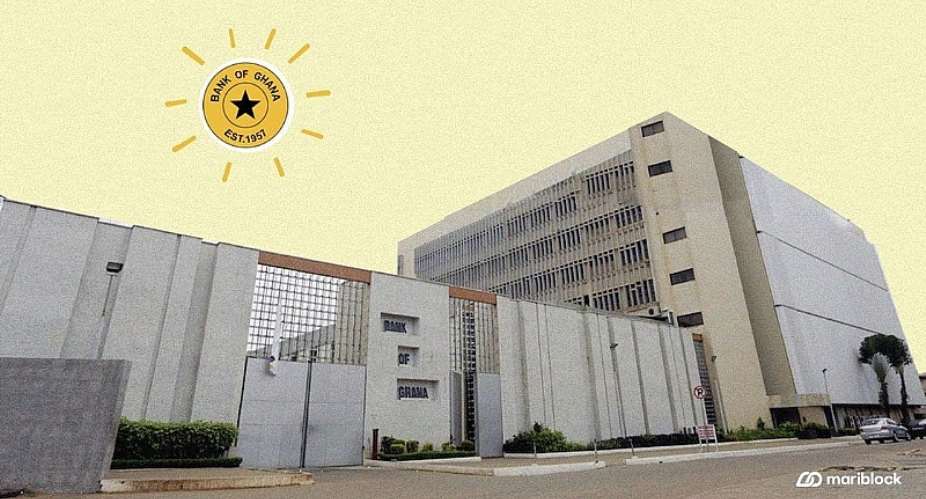
The Bank of Ghana (BoG) has been central to the cedi’s turnaround, with several key foreign exchange policy adjustments credited for stabilizing the market.
Among the most impactful was the decision to move from weekly FX auctions to spot sales for commercial banks — a measure designed to improve market efficiency, price discovery, and transparency.
According to John Awuah, Chief Executive of the Ghana Association of Banks (GAB), the new approach, combined with the review of the Net Open Position (NOP) framework for banks, has helped to manage risks and reduce market distortions.
“The cedi’s rebound reflects recent regulatory and policy actions that have improved liquidity management and built confidence in the system,” Awuah told Accra Business News, in an interview later cited by Accra Street Journal.
In addition, the Bank of Ghana launched FX intermediation under its Domestic Gold Purchase Programme in October 2025 — a move that will see the sale of up to $1.15 billion in spot transactions to deepen the interbank market.
Governor Dr. Johnson Asiama explained that the programme aims to strengthen the FX ecosystem, reduce volatility, and maintain transparent market operations while ensuring a level playing field for all licensed banks.
Tight Fiscal Policy and Export Strength Reinforce Stability
The cedi’s strong comeback also reflects the impact of tight fiscal discipline, high policy rates, and robust export performance.
Ghana’s export receipts — particularly from gold, cocoa, and crude oil — have increased in recent months, while import demand has stabilized.
These developments, combined with rising investor confidence following progress in Ghana’s debt restructuring programme, have strengthened both market liquidity and foreign inflows.
“The cedi’s rise is a reflection of stronger fundamentals and restored trust,” said an economist at Accra Business News. “Confidence, liquidity, and discipline are working together to stabilize the market.”
Cedi Outlook: Stability Ahead but Challenges Remain
Analysts remain cautiously optimistic that the cedi’s October momentum could carry into the final months of the year.
However, the sustainability of this strength will depend on continued export inflows, sound monetary policy, and fiscal restraint — especially as election-year spending pressures build.
Currency strategists also warn that external factors, such as a stronger U.S. dollar or falling commodity prices, could test the durability of the local currency’s gains.
“We’ve seen an impressive rebound, but consistency is key,” a senior FX analyst told Accra Street Journal.
“If macro stability holds and BoG stays disciplined, the cedi could end 2025 among Africa’s top-performing currencies.”
Cedi Market Summary (as of Mid-October 2025)
| Indicator | September 2025 | Mid-October 2025 | Change |
|---|---|---|---|
| Interbank USD Rate (GHS) | 12.30 | 10.75 | +12.6% appreciation |
| FX Bureau USD Rate (GHS) | 12.80–13.20 | 12.00–12.40 | +7–9% appreciation |
| YTD Cedi Performance | +21% | +37% | +16 percentage points |
| Weekly Gain (Oct 13–17) | – | +9.5% | Record weekly gain |
Key Insights from Accra Business News
Cedi appreciates 37% YTD, reversing Q3 2025 losses.
16% rise recorded within the first two weeks of October alone.
Policy reforms and gold-backed FX programmes have boosted market stability.
Investor confidence and export earnings continue to support the cedi’s strength.
Outlook remains positive, though dependent on fiscal discipline and global conditions.
Source Used : Accra Business News Report


 NGSJF petitions Ghana Airports, IGP over Adwoa Safo travel records and 2021 parl...
 Transport Minister directs DVLA to deepen inter-agency collaboration towards enf...
 Famers at Anloga-Avume call for buyers, govt intervention as tomatoes rot in far...
 2026 World Cup: 'Minister’s driver, Chief Director’s secretary still in US' – Mi...
 Ho Central NPP threatens retaliation over demolition of party office fence wall ...
 Trump says 'major progress' made toward US military base in Poland
 US aid cuts are killing Kenyan sex workers
 37 suspected illegal miners die in custody in central Nigeria
 'When I go to sleep, I know I haven’t done anything wrong' – Finance Minister
 Trump threatens EU with tariffs over 'laughable' Canada association plan


