




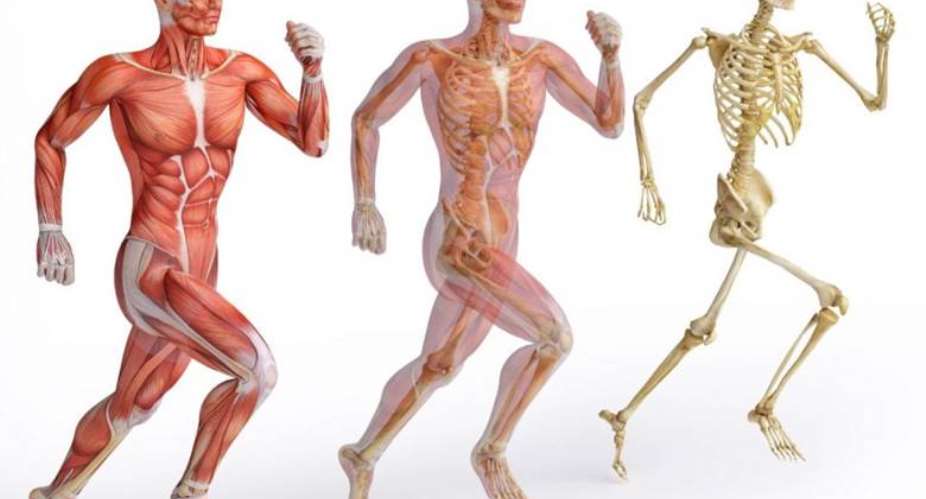
Why are musculoskeletal issues so common in Ghana?
Causes and Context
Road traffic crashes and falls are leading causes of MSK injuries. Limited infrastructure, poor road safety enforcement, and second-hand vehicles contribute significantly.
In professions like farming particularly in the Volta Region rigorous manual labor (bending, use of tools like hoes and cutlasses, riding motorbikes) leads to prevalent pain in the lower back, upper back, knees.
Similarly, among nurses and midwives in healthcare settings, working long hours in the same posture (standing, bending over, and lifting patients) results in high rates of work-related musculoskeletal disorders (WMSDs), especially in the lower back.
Barriers to Effective Treatment
many people lack access to rehabilitation services due to poverty, distance, and limited facilities, even when referred for treatment.
Some turn to Traditional Bonesetters (TBS) due to cultural beliefs, spiritual frameworks, or lack of access to formal healthcare. TBS treatments often include herbal concoctions (like "black medicine"), massage, splints, and rituals.
Natural Prevention Strategies & Supporting Supplements:
Prevention & Occupational Practices
Ergonomics and workplace adjustments such as job rotation, use of ergonomically designed tools, and safer scheduling help reduce strain, especially in construction and manual labor contexts .
Regular movement, stretching, and strengthening exercises, especially for older adults, can reduce the risk of falls and related injuries.
Herbal Remedies & Traditional Practices
Many Ghanaians rely on herbal medicine for prevention and treatment of various ailments, often integrated with spiritual beliefs. However, caution is needed:
Use of traditional herbs isn’t always included in formal medical records, and people might not always disclose their usage to healthcare professionals.
There are risks of contamination (e.g., pesticides, heavy metals, mycotoxins) in herbal products due to environmental pollution and non standardized practices.
Suggested Natural Approaches:
Strategy What It Involves Benefits & Considerations
Ergonomics & Exercise Adjust work methods; integrate stretching, posture training, strength-building Proven injury prevention; widely applicable in daily routines
Safe Herbal Use traditional herbs known for anti-inflammatory or bone support properties Can help with caution over sourcing and impurities; better when guided by professionals
Supplements (when appropriate) Essential nutrients like calcium, vitamin D, magnesium, turmeric (curcumin), ginger Supports bone, joint, and muscle health; always consult a healthcare provider first
Mind-Body Practices Gentle yoga, tai chi, breathing techniques Helps reduce stress, improve flexibility, support MSK recovery
Education & Access Inform communities about prevention, safe traditional practices, when to seek care Empowers healthier choices; bridges traditional and modern medicine
Recommended Natural Supplements (Under Guidance)
Calcium + Vitamin D Supports bone strength, especially beneficial for older adults.
Magnesium helps with muscle relaxation and function.
Turmeric (Curcumin) Natural anti-inflammatory; aids joint comfort.
Ginger Soothes muscle and joint pain.
Omega‑3 Fatty Acids Supports overall inflammatory balance and joint health.
Important: Before starting any supplement, consult a qualified healthcare professional especially to avoid contamination, interactions, or misuse.
Way Forward
Increase awareness: Educate workforces (e.g., farmers, nurses, construction workers) on posture, safe practices, stretching, and ergonomics.
Promote low-cost prevention: Encourage exercise and ergonomics even in resource-limited settings.
Bridge traditional and modern care: Train healthcare providers alongside experienced TBS practitioners to combine safety with cultural acceptability.
Ensure herbal safety: Support good agricultural and processing practices, and proper quality controls for herbal medicines.
Improve access: Expand rehabilitation services and make them affordable, accessible, and community-based where possible.
In Summary
Musculoskeletal disorders in Ghana stem from a blend of physical strain (road accidents, manual labor, care giving), and limited access to ergonomic prevention or treatment. Natural remedies such as safe herbal preparations, supplements, exercise, and ergonomic practices can be helpful, but must be used individually, safely, and in coordination with healthcare providers. Bridging traditional practices with evidence-based medicine, improving education, and ensuring accessibility are key to reducing MSK burdens.
By Mustapha Bature Sallama
Medical/ Science Communicator
[email protected]
+233-555-275-880


 Okoe Boye wins NPP Greater Accra Regional Chairmanship election
 Bagré dam nears spillway threshold as water level rises to 77.35%
 Sunyani Paramount Chief warns chiefs against sale of cemetery lands
 President Mahama announces US$10bn ‘New Economy’ investment programme
 Sustained peace will restore Bawku to its former glory – Mahama
 Plans advanced for University of Science and Technology in Damongo – Haruna Iddr...
 Inmate Peter Kyeremeh escapes from prison
 COKA floors Kokofu to win NPP Ashanti Regional chairmanship
 Abronye retains Bono NPP Chairmanship in Regional Executive Elections
 I accept responsibility for NPP’s poor performance in Greater Accra Region – Out...

